The Ultimate Guide to Bass Fishing: Lures, Techniques & Seasonal Tips
Want to catch more bass? This ultimate guide covers everything from choosing the right lures and rods to mastering seasonal techniques and finding hotspots. Learn proven bass fishing strategies from setup to landing.
Let's be honest. My first few bass fishing trips were a disaster. I remember standing on the bank, whipping a lure around for hours, catching nothing but weeds and my own jacket. I had a cheap combo, no clue what I was doing, and the fish seemed to be laughing at me from beneath the surface. Sound familiar?
If you're staring at a wall of lures at the store feeling overwhelmed, or if you've been out a few times with little to show for it, you're in the right place. I've been there. This isn't about making it complicated with fancy jargon. It's about cutting through the noise and giving you the straight talk on how to actually catch bass.
Bass fishing isn't just a hobby; for many of us, it's a passion that clears the mind. But it can also be incredibly frustrating when you don't have a game plan. This guide is that game plan. We're going to walk through everything—not as an expert lecturing from on high, but as someone who's made every mistake in the book so you don't have to. We'll talk gear without pushing the most expensive stuff, techniques that actually work on the water, and how to think like a bass. Because once you start understanding why you're doing something, the how becomes a whole lot easier.
Gearing Up Without Going Broke
This is where most guides lose people. They start talking about gear specs that sound like a rocket science manual. Let's simplify. You don't need a $500 rod to catch fish. I've caught plenty of bass on a $50 setup. The goal is to get gear that's “good enough” and reliable, so you can focus on fishing, not on fighting your equipment.
The Rod and Reel: Your Main Tools
For a beginner, a medium-heavy power, fast action spinning rod combo is your best friend. It's versatile. “Medium-heavy” means it has enough backbone to set the hook and pull a bass out of cover. “Fast action” means the rod bends mostly in the top third, which gives you better sensitivity to feel bites and more power for hook sets. A spinning reel is easier to learn with than a baitcaster (which will inevitably lead to dreaded “backlashes” or bird's nests of line for a newbie).
Brands like Ugly Stik, Berkley, or Shimano make fantastic combos in the $70-$120 range that will last you years. I still have my old 6'6" medium-heavy Berkley rod as a backup. It's caught hundreds of fish.
Line: The Invisible Connection
This is crucial, and often overlooked. For all-around bass fishing, I almost exclusively use braided line with a fluorocarbon leader. Here's why: braid (like 20-30 lb test PowerPro) has no stretch, so you feel everything. A bass nibbling your plastic worm? You'll feel it. It's also incredibly strong for its diameter. The downside? It's visible in clear water. So, I tie on a 4-6 foot leader of 10-15 lb fluorocarbon. Fluorocarbon is nearly invisible underwater and sinks, which is perfect for many bass fishing presentations. This combo gives you sensitivity and strength with low visibility.
Monofilament is cheaper and has more stretch, which can be forgiving but also means you miss subtle bites. It's okay to start with, but you'll likely want to upgrade to the braid-to-leader system once you get serious.
The Lure Box: Cutting Through the Chaos
Walk into any tackle shop, and the wall of lures is paralyzing. You don't need one of everything. You need a few proven categories. Think of lures as tools for specific jobs: covering water, digging deep, or triggering reaction strikes.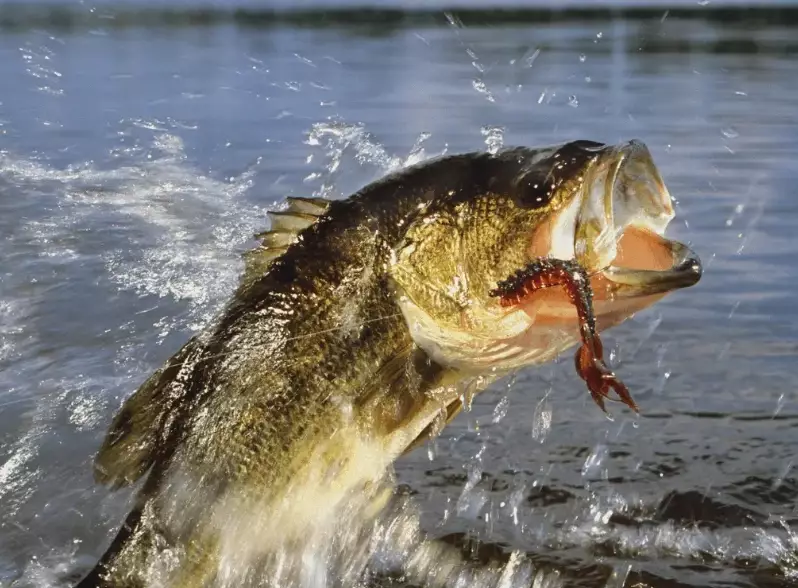
| Lure Type | Best For | Key Traits & My Go-To Picks | When It Often Fails |
|---|---|---|---|
| Soft Plastic Worms (Texas Rig) | Fishing heavy cover (weeds, wood), pressured fish, slow presentations. | Weedless, versatile, imitates natural forage. You can't go wrong with a 7.5" ribbon-tail worm (green pumpkin or junebug color). This is arguably the most effective bass fishing technique ever invented. | When you need to cover a lot of water quickly or fish very deep, clear water without cover. |
| Spinnerbaits | Covering water, murky/stained water, windy days, fishing around grass. | Vibration and flash attract bass. A simple 3/8 oz white or chartreuse double willow-leaf spinnerbait is a killer. It's nearly weedless and triggers reaction strikes. | In super clear, calm water where the flash and vibration can spook fish. Also, not great for super deep water. |
| Lipless Crankbaits | Searching for active fish, covering flats, imitating baitfish. | You can cast them a mile and burn them back fast. The rattling sound calls fish in. A 1/2 oz in a chrome/blue or red craw pattern is essential. Perfect for early spring and fall. | In super thick weeds or heavy wood—they snag on everything. Also less effective when fish are super lethargic. |
| Jigs | Fishing heavy cover, targeting big bass, vertical presentations. | The ultimate big-fish lure. A 3/8 oz flipping jig with a craw-style trailer (green pumpkin or black/blue) pitched into brush piles or docks. It requires patience and feel. | When fish are chasing fast-moving baitfish near the surface. It's a slower, more deliberate technique. |
| Topwater (Frog/Popper) | Low-light conditions (dawn/dusk), summer, explosive fun! | Nothing beats the heart-stopping blowup of a bass on a topwater. A hollow-body frog for slop (thick weeds) and a popper for open water. It's not always the most productive, but it's the most exciting. | Middle of a bright, sunny day. High pressure and bright sun usually shut down topwater bites. |
Start with a handful from these categories. A pack of worms, a couple spinnerbaits, a lipless crankbait, and a topwater frog. That's a solid foundation for bass fishing in most conditions.
How to Actually Find and Catch Bass (The Mindset)
Okay, you have gear. Now what? This is the part most people miss. Bass aren't randomly scattered. They position themselves based on comfort (water temp, oxygen) and food. Your job is to find that intersection.
Key Insight: Bass are lazy predators. They want to expend the least amount of energy for the biggest meal. They'll sit near cover (like a dock, fallen tree, or weed line) that provides ambush points. Your lure needs to come by that ambush point.
Reading the Water: What to Look For
Don't just cast randomly. Look for:
- Visible Cover: This is the easy stuff. Docks, laydowns (fallen trees), lily pads, standing reeds, rock piles. Cast to the edges and into any openings.
- Changes in Bottom Composition: A sandy spot next to a muddy bottom, or a gravel patch. These transitions often hold baitfish and crayfish, which means bass. You might need a lake map or fish finder to see these.
- Points and Drop-offs: Underwater points that extend into the lake are bass highways. They use them to move from deep to shallow water. The edge where the bottom suddenly gets deeper (a drop-off) is a prime ambush line.
I remember one summer day on a local lake, it was brutally hot. I caught nothing along the banks. Out of frustration, I started casting a deep-diving crankbait along a long, subtle point I saw on my map. Bingo. Found a school of smallmouth bass stacked up in 15 feet of water at the tip of that point. They were chasing shad that were using the point as a current break. It changed how I approached every lake after that.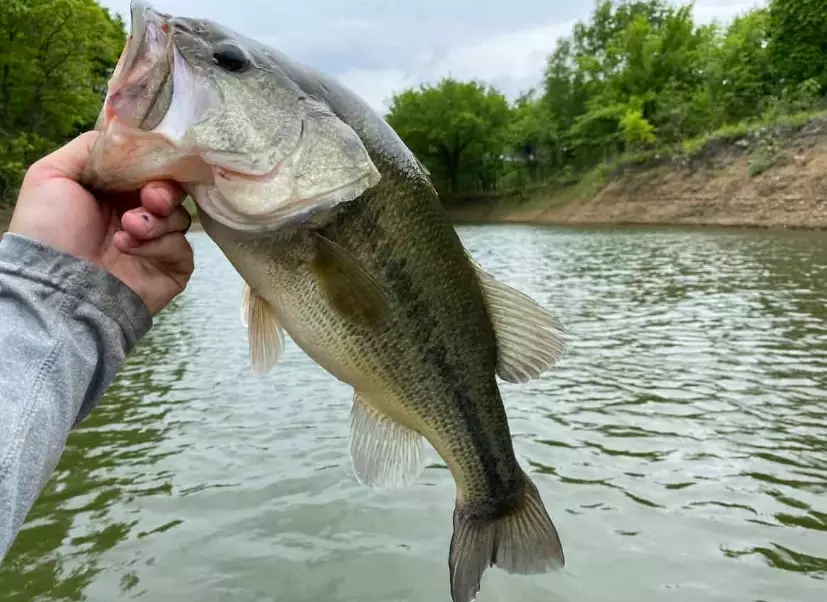
Presentation: It's Not Just Cast and Retrieve
This is where bass fishing gets artistic. You have to match your retrieve to the mood of the fish.
- Active Fish: If it's spring or fall, or a cloudy, windy day, bass are often hunting. Use faster-moving lures like spinnerbaits, crankbaits, or a quickly retrieved swim bait. Make them react.
- Neutral or Lazy Fish: High pressure, bright sun, very hot or cold fronts often make bass sluggish. This is when you slow down. A Texas-rigged worm dragged slowly on the bottom, or a jig hopped gently. The mantra is “slow it down.” I've spent 5 minutes working a single plastic worm through one good-looking brush pile. Patience pays.
Common Mistake: Retrieving your lure at the same speed, in the same place, all day. If it's not working, change something drastically. Go from a fast-moving bait to a slow one. Move from the bank to deeper water. Switch from a bright color to a natural one. Be willing to experiment.
The Seasonal Clock: What Bass Do All Year
Bass behavior changes with water temperature. Understanding this is like having a cheat sheet.
Spring (Pre-Spawn, Spawn, Post-Spawn)
As water warms into the 50s and 60s (F), bass move from deep winter haunts to shallow flats to spawn. They're aggressive and protective. Topwater frogs near emerging grass, lipless crankbaits on flats, and jigs around bedding areas are deadly. Be careful during the actual spawn—many anglers practice catch and release on visible bed fish to protect the fishery.
Summer
Post-spawn, bass are tired and often move to deeper, cooler water near structure. Early morning and late evening topwater bites can be epic. During the day, you'll need to fish deeper: drop shots, Carolina rigs, deep-diving crankbaits on ledges and points. Night fishing with dark-colored worms or spinnerbaits can also be incredible in the heat of summer.
Fall
This is my favorite time for bass fishing. Cooling water triggers a feeding frenzy as bass fatten up for winter. They follow schools of shad into the backs of creeks and shallows. Lipless crankbaits and spinnerbaits are the kings of autumn. Burning a red eye shad through a submerged grass flat is about as good as it gets.
Winter
Slow. Deliberate. Cold. Bass metabolism slows way down. They school up in the deepest parts of the lake, often on steep channel swings or main lake points. You have to put the lure right in their face. A slow-falling jigging spoon, a hair jig, or a finesse worm on a drop shot rig are the tickets. It's not for the faint of heart, but you can catch giant bass in winter with patience.
Answering Your Bass Fishing Questions (The Real Stuff)
What's the single best time of day to go bass fishing?
Hands down, the hours around dawn and dusk. Low light means bass feel more secure moving into shallow water to feed. The “topwater window” at first light is often the most predictable bite of the day. That said, don't sleep on a rainy, overcast afternoon—it can feel like dusk all day long.
How important is lure color really?
It matters, but not as much as lure action and location. My rule of thumb: use natural colors (green pumpkin, shad patterns, black/blue) in clear water. Use bold or dark colors (chartreuse, black, junebug) in stained or muddy water where visibility is low. When in doubt, green pumpkin or a black/blue combo are almost always safe bets for bass fishing.
I feel bites but can't hook the fish. What am I doing wrong?
This is classic. You're probably jerking the rod too early or too hard. For soft plastics (worms, creatures), when you feel that “tap tap” or the line starts moving sideways, reel down quickly to take up slack, then set the hook with a firm, upward sweep of the rod. Don't “swing for the fences.” A sharp, controlled snap of the wrists is enough. For moving baits with treble hooks (crankbaits, spinnerbaits), a simple steady pull back is often sufficient—the fish usually hooks itself.
Bank fishing vs. boat fishing—is a boat necessary?
Absolutely not. Some of my best bass have come from the bank. A boat gives you access to more water, especially offshore structure. But from the bank, you can often target the “low-hanging fruit”: docks, shoreline laydowns, points accessible from shore. Kayaks and canoes are a fantastic middle ground, offering stealth and access without the cost of a big boat. Resources like your state's Department of Natural Resources website (like the Minnesota DNR Fishing Page) often list great shore fishing locations.
How do I stay legal and ethical?
This is non-negotiable. Always check the current fishing regulations for the specific body of water you're on. You need a fishing license. Know the size and creel (catch) limits. The U.S. Fish & Wildlife Service provides great background on the species, but regulations are state-specific. Practice catch and release, especially with larger breeding-size bass. Handle fish with wet hands, support their body horizontally, and get them back in the water quickly. We all share the resource.
Taking It to the Next Level
Once you've got the basics down, the rabbit hole goes deep. You can start learning advanced techniques like swim baiting for giant bass, finesse techniques for ultra-clear lakes, or even getting into tournament fishing. Organizations like B.A.S.S. (Bass Anglers Sportsman Society) are the backbone of competitive bass fishing and have a ton of educational content from the pros.
The most important thing? Go fishing. A lot. Time on the water beats any article or video. You'll learn the rhythm of your local lakes, notice subtle clues, and develop your own instincts.
Bass fishing has given me some of my most peaceful mornings and most adrenaline-filled moments. It's a puzzle where the pieces move, and that's what keeps it interesting forever. Forget about catching the most or the biggest for a while. Just focus on understanding the process. The fish will come.
Now, go get your line wet.