The Ultimate Fishing Cooler Guide: How to Choose, Use & Maximize Your Catch
Struggling to keep your catch fresh all day? Our complete guide to fishing coolers covers everything from insulation secrets and durability tests to real-world tips on choosing the right size and features for your next fishing trip.
Let's talk about something that can make or break a fishing trip. It's not the rod, not the reel, and not even the bait. It's what happens after you land the fish. I'm talking about the humble, yet absolutely critical, fishing cooler. You know the scene. You've had a fantastic morning on the water, the cooler is supposedly doing its job, but by the time you get back to the dock, you're met with a lukewarm slurry and fish that have lost that firm, fresh-caught texture. It's a gut punch after a great day.
I've been there. I once lost a beautiful limit of trout to a cheap cooler that promised "all-day cooling." Spoiler: it lasted about four hours in the Texas sun. That experience sent me down a rabbit hole of research, testing, and talking to guides and hardcore anglers. What I learned transformed how I view this piece of gear. A proper fishing cooler isn't just a box; it's a mobile preservation system for your hard-earned catch.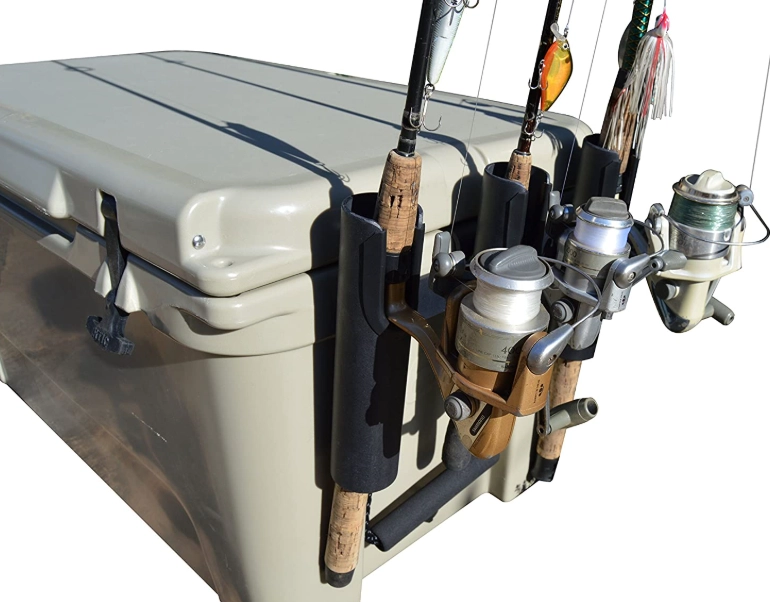
This guide is everything I wish I'd known. We'll strip away the marketing fluff and get into what actually matters when you're miles from shore or deep in the backcountry. We're not just picking a cooler; we're ensuring every fish you keep is as perfect at the fillet table as it was when it came out of the water.
Why You Absolutely Need a Cooler Built for Fishing
Can't you just use any old cooler? Sure. You can also fish with a stick and a string. But the results won't be great. A standard picnic cooler is designed for cans of soda and potato salad. A dedicated fishing cooler is engineered for a completely different mission.
Think about the abuse. It gets slammed on boat decks, scraped against rocks, used as a seat, and soaked in fish slime, blood, and saltwater. The sun beats down on it for hours. The insulation isn't just fighting ambient temperature; it's fighting the metabolic heat of a bunch of freshly caught fish, which is surprisingly significant. A quality fishing cooler is built like a tank to handle this environment. The latches won't rust or fail when you need to get in quickly. The drain plug won't leak all your precious ice melt (which, by the way, is great for rinsing fish).
Then there's the fish themselves. You're not storing packaged goods. You're storing delicate protein that spoils rapidly. Temperature control isn't a suggestion; it's a requirement for quality and safety. The U.S. Food and Drug Administration (FDA) has guidelines for handling seafood, emphasizing the need for rapid cooling to prevent bacterial growth. A subpar cooler simply can't meet that standard on a hot day. Using a proper fishing cooler is the first and most important step in the "keep" part of "catch and keep."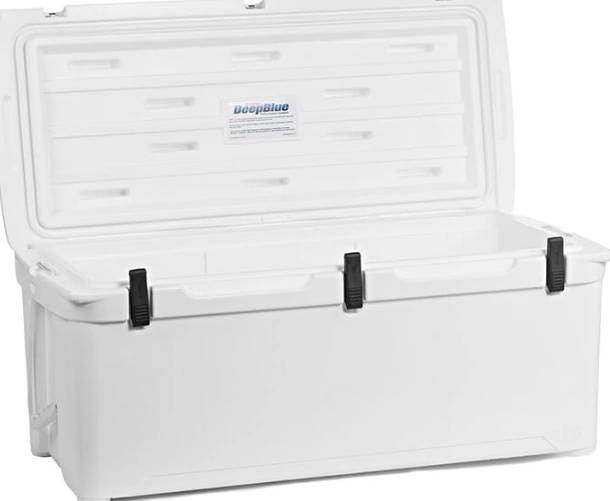
The Fishing Cooler Buyer's Guide: Decoding the Specs
Walking into a store or browsing online, you're hit with a wall of claims: "5-day ice retention!" "Bear-proof!" "Roto-molded!" What does it all mean for you, the angler? Let's break it down into the stuff that actually matters on the water.
Insulation and Ice Retention: The Heart of the Matter
This is the big one. Every brand boasts about ice retention days. Take these numbers with a grain of salt—they're usually tested under ideal, static lab conditions (70°F, never opened). Your reality is 95°F on a aluminum boat deck, opening it ten times a day.
The magic happens in the walls. Look for thick, polyurethane foam insulation. Roto-molded coolers are the gold standard here—the foam is injected into a single, seamless plastic shell, creating a monolithic block of insulation with no weak seams. The thickness is key. A cooler with 2-inch thick walls will outperform one with 1-inch walls every single time, regardless of brand.
Lid design is critical and often overlooked. The lid needs the same thick insulation as the walls, and it must have a full-perimeter gasket that creates an airtight seal. Press down on a closed lid. If you hear a hiss of air escaping, that's cold air leaving and warm air entering. A good gasket should make that seal silent.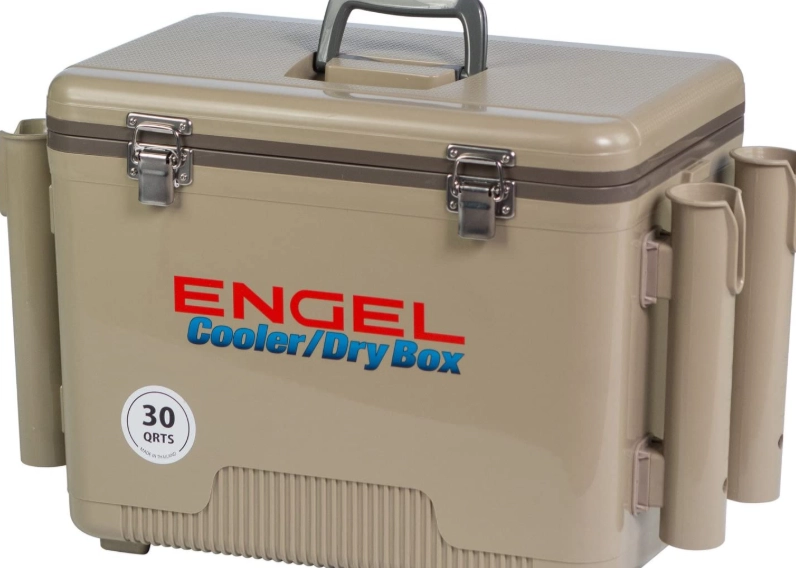
Durability & Construction: Can It Take a Beating?
Your fishing cooler is a piece of tackle, and tackle gets abused. Roto-molded construction is the top tier for toughness. It's what gives coolers that rugged, almost indestructible feel. They can take drops, being tossed in a truck bed, and general fishing trip chaos.
Check the hardware. The hinges should be heavy-duty, preferably stainless steel or thick, coated metal to resist saltwater corrosion. The latches should be positive-locking—you should feel and hear a solid "click" when you close them. I've had cheap latches pop open from vibration in a moving boat. Not fun.
What about the finish? A non-skid pad on the bottom is a godsend on a slippery boat deck. Integrated tie-down points or rope handles aren't just for looks; they're for securing the cooler in rough water or strapping it to a kayak.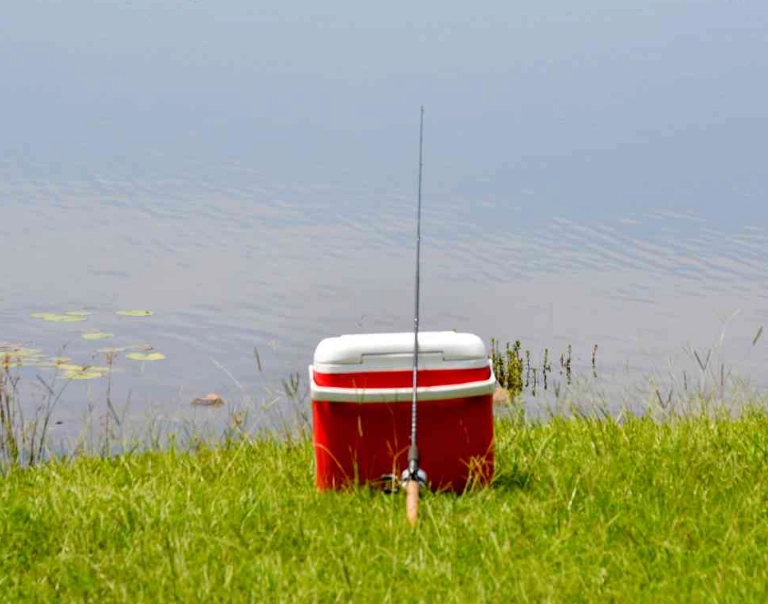
Size, Shape, and Fish-Friendly Features
Bigger isn't always better. A massive 100-quart cooler is overkill for a solo kayaker and a nightmare to lug around. Think about your typical catch. Inshore anglers chasing trout and redfish have different needs than offshore guys targeting tuna and mahi.
| Trip Type / Angler | Recommended Cooler Size | Key Features to Look For |
|---|---|---|
| Solo Kayak / Bank Angler | 20 - 35 Quarts | Lightweight, easy-to-carry shape, maybe a backpack strap system. |
| Small Boat (2-3 people) | 45 - 65 Quarts | Good balance of capacity and deck space, secure latches, non-skid base. |
| Offshore / Multi-Day | 75 - 150+ Quarts | Maximum ice retention, dual drains, extremely robust construction, fish box compatible. |
| Fly-In / Remote Trip | Hard-sided 50-70 Qt (or soft) | Priority on weight limits, perhaps a soft-sided cooler for packability. |
Shape matters almost as much as size. A long, narrow cooler can fit perfectly in a skiff's center console. A more square one offers more flexible packing. Consider internal dimensions—can it actually fit the species you target? A 30-inch king mackerel needs a long home.
Now, for the fish-specific stuff. A smooth interior is easier to clean and doesn't scratch fish scales. A robust, leak-proof drain plug lets you drain meltwater without losing ice (tip: put the plug in from the inside to create a better seal). Some high-end fishing coolers even have dividers or baskets to separate ice from fish, keeping your catch high, dry, and in better condition.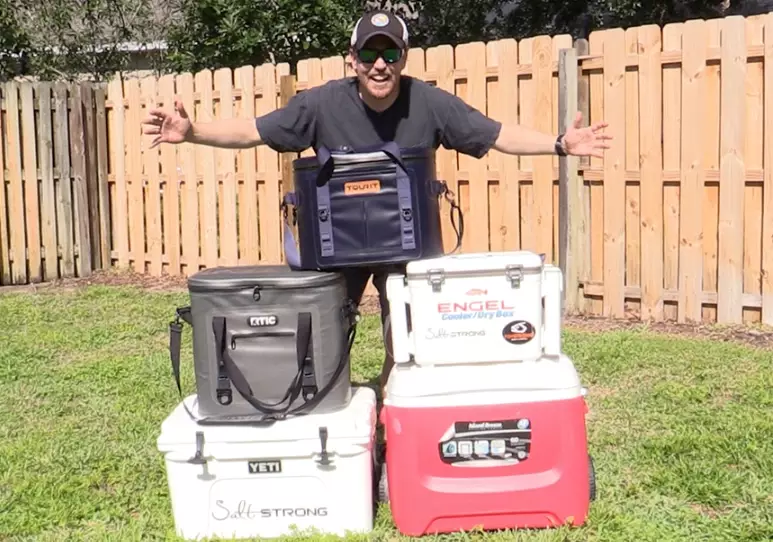
Top Fishing Cooler Considerations: A Side-by-Side Look
Let's be real, you're probably comparing a few big names. They all have their strengths and, frankly, their weaknesses. Here's a no-nonsense breakdown from an angler's perspective.
| Brand / Type | Best For... | Angler-Appreciated Perks | The Downside (My Take) |
|---|---|---|---|
| Premium Roto-Molded (Yeti, RTIC, Orca) | Serious offshore anglers, guides, multi-day trips where ice is gold. | Unbeatable ice retention, bombproof construction, great accessories (dividers, cutting boards). | The price tag is steep. They're also heavy when empty. For a casual inshore trip, it can be overkill. |
| Value Roto-Molded (Cabela's, Lifetime) | Anglers who want 90% of the performance at 60% of the price. | Great bang-for-buck, solid ice retention, often include fish-friendly features like rod holders or measuring tapes. | Hardware (latches, hinges) sometimes feels a grade below the premium brands. May not have the same resale value. |
| Heavy-Duty Injection Molded (Igloo, Coleman Marine) | Boat owners on a budget, situations where the cooler gets major abuse. | Lightweight, affordable, often have great fish-box shapes and easy-to-clean surfaces. | Ice retention is the weak point. On a blazing hot day, you'll be draining water and adding ice more often. |
| High-End Soft-Sided (Yeti Hopper, etc.) | Kayak fishing, wade fishing, fly-in trips where space/weight is critical. | Incredibly portable, surprisingly good ice retention for 24-48 hrs, packable when empty. | Not as easy to clean if you get fish blood in the seams. Can't use it as a seat. Capacity is limited. |
My personal quiver includes a 65-quart roto-molded beast for the bay boat and a 25-quart soft-sided for the kayak. The big one is overkill for a short trip, but I never worry. The soft one is perfect for taking a few beers and a couple of slot reds home. Match the tool to the job.
One more thing on brands: customer service. A latch breaks on a remote trip. What happens? Premium brands generally have legendary warranties and service. It's part of what you pay for. With some budget brands, getting a replacement part can be a chore. For a tool as vital as your fishing cooler, that peace of mind has real value.
Mastering Your Fishing Cooler: Tips from the Water
Buying a great fishing cooler is only half the battle. Using it wrong can sabotage even the best one. Here’s how the pros and seasoned anglers get the most out of their boxes.
Pre-Chilling: The Game Changer Nobody Does
This is the single most effective trick to extend ice life. Your cooler starts at room temperature. You dump in a bag of ice, and 30% of it immediately melts just to cool down the plastic walls. It's a huge waste.
The night before your trip, put a bag of cheap ice or a few frozen water bottles in the empty, dry cooler and close it. Let it sit overnight. You're pre-cooling the insulation itself. In the morning, dump that meltwater (or use it to fill your bottles) and add your fresh, trip ice. The difference is staggering—you easily add hours, if not a full day, of effective cooling.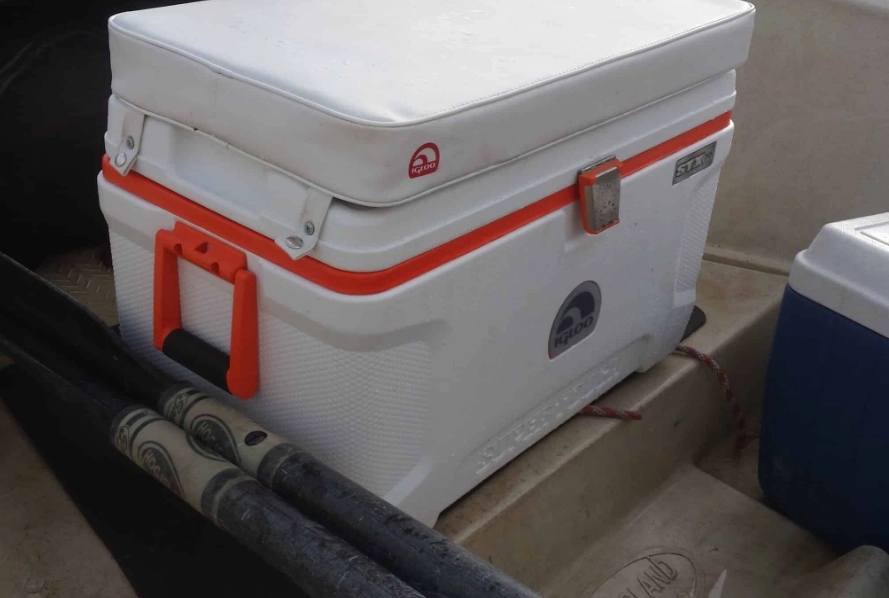
The Ice Strategy: Block vs. Cube vs. Mystery
All ice is not created equal. For a fishing cooler, the hierarchy is clear:
- Block Ice: The king. It melts slowly due to low surface area. Start with a block at the bottom if you can find it.
- Larger Cubes/Party Ice: A great compromise. Melts slower than small cubes.
- Crushed Ice/Small Cubes: Melts the fastest but is great for quickly cooling drinks. Best used on top of a base of block or large cube.
My go-to method? A block or frozen gallon jugs of water on the bottom, then my fish, then fill the gaps and cover the top with large cube ice. The frozen jugs act like giant ice blocks that don't make a soggy mess.
Packing It Right: Fish First
How you pack matters. Your goal is to get the fish cold and keep them cold, not necessarily buried in ice.
- Bleed and Gut Immediately: This is non-negotiable for quality. A gutted fish cools much faster and more evenly from the inside. The Fishwatch.gov guide to handling seafood stresses rapid cooling of dressed fish.
- Keep Fish Dry: Don't let them swim in meltwater. Use a basket, a false bottom made of a grill grate, or place them in heavy-duty zip-top bags before laying them on the ice. Water transfers heat faster than air, so a wet fish near the cooler wall can spoil faster.
- Minimize Open Time: Have a plan before you open the lid. Get everything you need (drink, sandwich, fish to store) in one go. Every second that lid is open, cold air pours out like water.
A final, often-ignored tip: keep your fishing cooler out of direct sunlight on the boat. Throw a wet towel over it. That evaporative cooling effect on the outside actually helps. I've seen guides use reflective sunshades designed for coolers. It makes a measurable difference.
Cleaning and Maintenance: Making It Last
Neglect here is what turns a great cooler into a smelly, stained mess you're embarrassed to have on your boat.
After every single trip, clean it. I don't care how tired you are. Drain all the water. Use a mild soap (dish soap is fine) and a soft brush or sponge. For fish slime and blood, a baking soda paste works wonders and deodorizes. Never use harsh chemicals or abrasive pads—they can degrade the plastic and the gasket.
The most important step: let it dry COMPLETELY with the lid open before you store it. Trapped moisture is what causes that permanent, funky mildew smell. I leave mine open in the garage for a day or two after washing.
Maintenance is simple. Periodically check the gasket for tears or debris. Lubricate the hinges and latches with a silicone-based lubricant (not WD-40, which can attract dirt) to keep them working smoothly, especially in saltwater environments.
Fishing Cooler FAQs: Your Questions, Answered
I get these questions all the time from fellow anglers. Let's tackle the big ones.
Is a more expensive fishing cooler really worth it?
It depends entirely on your fishing. If you're doing half-day inshore trips and can get ice easily, a good marine-grade cooler might be perfect. If you're going offshore for 12 hours or on a multi-day remote trip where ice is a precious commodity, then yes, the investment in a premium roto-molded fishing cooler is 100% worth it. The cost of lost ice and, more importantly, a ruined catch, quickly justifies the price. Think of it as insurance for your success.
How much ice do I actually need for a day trip?
A common rule of thumb is a 2:1 ratio of cooler volume to ice. For a 50-quart cooler, plan for about 25 quarts (or roughly 25 lbs) of ice for a full day in hot weather, assuming a decent pre-chilled cooler. That's just for cooling. If you're also filling it with drinks, you'll need more. Always err on the side of too much ice. Leftover ice is a victory; a warm cooler is a failure.
Can I use dry ice in my fishing cooler?
You can, but with extreme caution. Dry ice is around -109°F and can crack plastic or make it brittle. It can also suffocate fish by displacing oxygen and literally freeze-burn your catch, ruining the texture. If you use it, never let it touch the cooler walls or your fish. Wrap it in newspaper and place it on top, with a layer of regular ice between it and your catch. Vent the cooler slightly (don't latch it airtight) as it releases CO2 gas. Honestly, for 99% of fishing trips, it's overkill and a hassle.
What's the best way to keep fish fresh without ice?
There is no good substitute for cold. However, in a true pinch (like a short hike out), a wet, breathable sack (like burlap) kept in the shade and submerged in cool water (a stream or the lake itself, secured) is better than nothing. But this is a last resort for very short periods. The goal is always to get them on ice as fast as humanly possible. Organizations like the American Sportfishing Association (ASA) promote best practices for catch care, and it all starts with rapid chilling.
Soft-sided vs. hard-sided for kayak fishing?
This is a classic debate. I own and use both. A hard-sided 20-30qt cooler is more durable, easier to clean, and you can sit on it. But it's bulky. A high-end soft-sided cooler (like a backpack style) is incredibly space-efficient, lighter, and more comfortable to carry. Its ice retention for 24-48 hours is now shockingly good. For pure kayak fishing where space is the ultimate constraint, I lean towards a quality soft-sided fishing cooler. Just be meticulous about cleaning it.
Look, at the end of the day, your fishing cooler is a trusty sidekick. It doesn't need to be the fanciest or most expensive, but it does need to be reliable. It needs to do its one job perfectly: preserving the literal fruits of your labor. By understanding what goes into a good one and how to use it, you stop worrying about your catch and start focusing on the catch itself. And that's what it's all about.
Now go check your gaskets and pre-chill for the weekend. Tight lines, and cold catches.