Your Ultimate Guide to Fishing Events: How to Find, Choose, and Win
Ever wondered how to find the perfect fishing event for your skill level? This complete guide walks you through different types of fishing events, how to prepare, what to expect on the day, and insider tips to maximize your fun and chances of success.
Let's be honest. The first time I heard about organized fishing events, I pictured a bunch of grumpy old men in identical hats, sitting in silence for hours. I couldn't have been more wrong. My first real experience was a local bass tournament a few years back. I showed up feeling like a complete outsider, but what I found was a vibrant, supportive community buzzing with excitement, friendly trash talk, and a shared passion that was downright contagious. It completely changed how I view fishing.
That's what this guide is about. It's not just a dry list of rules. It's the stuff I wish someone had told me before I dipped my toes in. Whether you're curious about what these events are, you're looking for your first one, or you're a seasoned angler wanting to step up your game, we're going to cover it all. From the chaotic fun of a kids' fishing derby to the high-stakes tension of a major bass tourney, fishing events come in all shapes and sizes. And finding the right one for you is half the battle.
We'll break down the different types, show you how to find them (spoiler: it's easier than you think), and walk you through exactly what to do before, during, and after. I'll even throw in some mistakes I've made, so you can avoid them. Because nothing stings like realizing you've broken a rule you didn't know existed.
What Exactly Are Fishing Events, Anyway?
At its core, a fishing event is any organized gathering where people fish, usually with some common goal or structure. Think of it as taking your solo weekend trip and adding a layer of community, competition, or purpose. For some, it's about the thrill of competing for the biggest catch. For others, it's a relaxed family day out with a rod in hand. And for many, it's a powerful way to raise money for a good cause.
The beauty of these events is how they cater to every imaginable interest and skill level. You don't need to be a pro to have a great time. In fact, most aren't designed for pros at all. They're designed for people like you and me who just love to fish.
So, let's clear the water and look at the main types you'll encounter.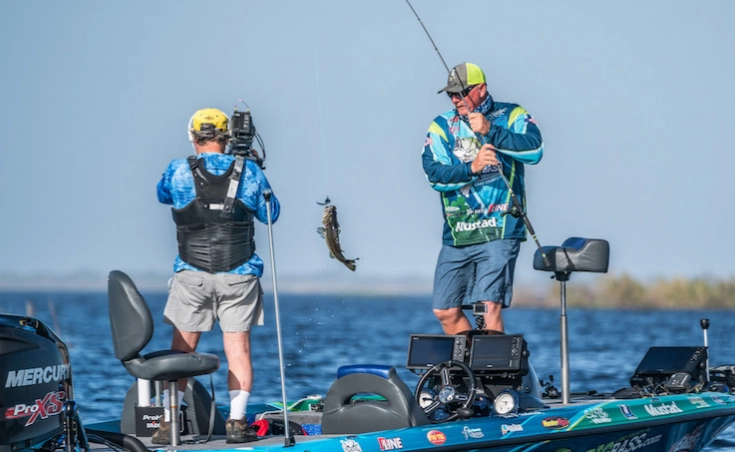
The Main Types of Fishing Events You'll Find
Not all events are created equal. The vibe, rules, and preparation can be wildly different. Here’s a breakdown of the most common formats.
| Event Type | What It's All About | Best For... | Typical Vibe |
|---|---|---|---|
| Tournaments / Competitions | Anglers compete for prizes (cash, trophies, gear) based on criteria like total weight of catch, biggest single fish, or species-specific goals. Rules are strict. | Competitive anglers, those looking to test skills, pros. | Focused, strategic, intense (but often still friendly). |
| Charity Derbies / Fundraisers | Fishing is the vehicle for raising money for a cause (conservation, community projects, hospitals). Entry fees are donations. | Social anglers, families, anyone wanting to combine fishing with giving back. | Festive, community-focused, relaxed. Often have food, raffles, and kids' activities. |
| Family & Kids Fishing Derbies | Specifically designed to introduce children to fishing. Ponds are often stocked, and help is readily available. | Families with young children, first-time anglers of any age. | Chaotic joy, supportive, educational. Expect tangled lines and proud smiles. |
| Club Outings / Social Gatherings | Local fishing clubs organize trips for members. Less formal competition, more about shared experience and knowledge exchange. | Anglers looking to connect with locals, learn new techniques in a low-pressure setting. | Camraderie-focused, collaborative, a great way to make fishing friends. |
| Educational & Conservation Events | Focus is on learning (e.g., fly-tying workshops, fish habitat seminars) or hands-on conservation (lake clean-ups, fish stocking). | Anglers wanting to deepen their knowledge or contribute to the resource they love. | Informative, hands-on, fulfilling. |
See what I mean? There's a whole spectrum. I made the mistake of entering a serious bass tournament as my first event, and let me tell you, it was chaos. I was in over my head. A charity derby would have been a much softer, more fun landing spot. Which brings us to the next big question.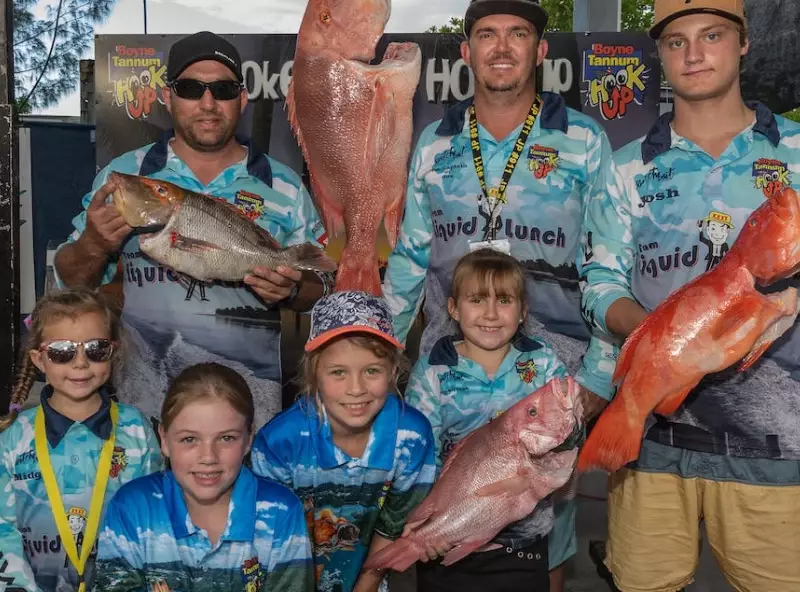
How to Find and Choose the Right Fishing Event for YOU
This is where most people get stuck. They want to try one but have no idea where to look or how to pick. It's simpler than you think.
- Local Tackle Shops: This is your #1 resource. The bulletin board near the register is a goldmine for flyers. The staff usually know about everything happening within a 100-mile radius. Just ask.
- State Fish & Wildlife Agency Websites: This is a hugely underused resource. Most state agencies, like the U.S. Fish and Wildlife Service or your specific state's DNR page, have event calendars. They list everything from kids' derbies to educational workshops. It's official, reliable information.
- Fishing Club Websites & Social Media: Search for "[Your State] Bass Federation" or "[Your City] Fishing Club." Clubs are event hubs.
- Community Centers & Town Halls: For local, small-scale derbies, check their calendars.
- Word of Mouth: Ask other anglers at your local pier or lake. The fishing community is tight-knit.
Okay, so you've found a few options. How do you choose? Don't just pick the closest one. Ask yourself these questions:
- What's my skill level? Be brutally honest. If you're new, a high-pressure tournament will likely be frustrating. A family derby or a club social is a perfect start.
- What's my goal? To win money? To have a fun day with the kids? To learn a new technique? Your goal should match the event's purpose.
- What can I afford? Entry fees range from free (for kids' events) to several hundred dollars for major tournaments. Don't forget gas, food, and any mandatory gear.
- Do I have the right gear? Some events have strict rules on boat types, rod numbers, or lure restrictions. Read the rules carefully! I once showed up to a bass tournament with a trout net. It was embarrassing and impractical.
- What are the rules? This is critical. Are they measuring total weight? Biggest fish? Is it catch-and-release only? Are there specific off-limit areas? The rulebook is your bible.
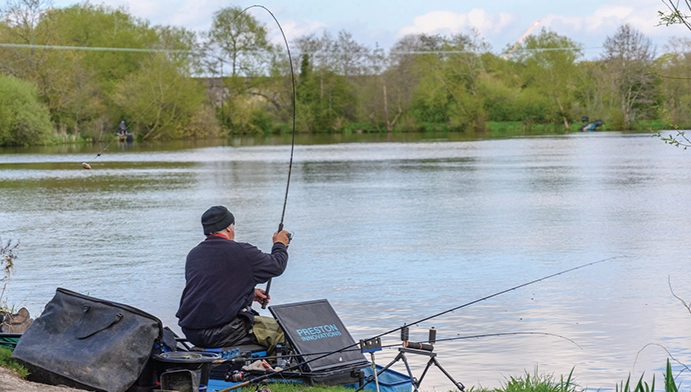
Gearing Up: What You Really Need for a Fishing Event
You don't need a $50,000 boat to participate in most fishing events. But you do need the right basics, and more importantly, you need them to be reliable. The worst feeling is having your only rod break 10 minutes into a tournament.
Here’s a practical, tiered look at what you should have. Think of it as a packing list.
| Category | Essential Items (Don't Leave Home Without) | Nice-to-Haves (For Comfort & Advantage) | Pro-Level Gear (For Serious Competitors) |
|---|---|---|---|
| Fishing Gear | Rod & reel in good working order. Appropriate line (check rules for type/test). A selection of proven lures/bait. Tackle box. Sharp hooks. Landing net. | Backup rod/reel combo. Scale (must be certified for tournaments). Measuring board. Pliers/hook remover. Polarized sunglasses. | Multiple rod setups for different techniques. High-quality electronics (fish finder, GPS). Livewell system (for boat events). Tournament-grade scale and measuring equipment. |
| Clothing & Safety | Weather-appropriate clothes (layers!). Rain jacket. Hat. Sunscreen (lots of it). Sturdy, non-slip shoes. | Quick-dry/fishing-specific shirt & pants. Lightweight rain suit. Fingerless gloves. Buff or neck gaiter. | Professional-grade rain gear. Insulated bibs for cold weather. High-end footwear with proper drainage. |
| Other Essentials | Valid fishing license! Event registration confirmation. Cooler with food/water. First-aid kit. Phone in a waterproof case. | Folding chair. Small tool kit for gear repairs. Camera. Notebook & pen for notes. | Detailed lake maps. Logbook of past patterns/conditions. Communication device (if allowed by rules). |
Beyond gear, your most important preparation is studying the rules. I can't stress this enough. For organized tournaments, the rulebook is law. It covers everything from start times, off-limits areas, scoring methods, protest procedures, and code of conduct. Organizations like B.A.S.S. or Major League Fishing have very detailed rules for their circuits. Even if you're not fishing at that level, reading them gives you an idea of what to expect. For local events, the rules might be a single page, but read every word.
What happens if you break a rule, even by accident? Usually, it means disqualification. I saw a guy get DQ'd once because he was late for the weigh-in by two minutes. Two minutes! He had a winning bag of fish, too. It was brutal. Don't let that be you.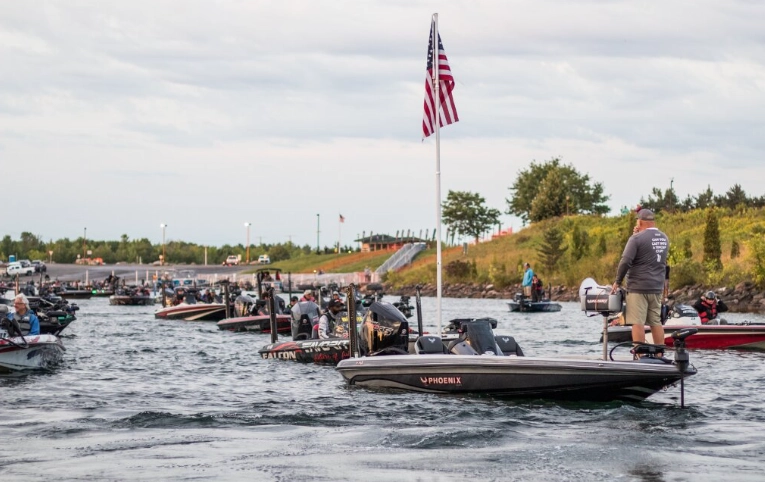
A Walkthrough: What to Expect on Event Day
Let's paint a picture of a typical day at a medium-sized fishing tournament or derby. Knowing the flow takes away a lot of the first-time jitters.
Before Lines In: The Morning Rush
You'll usually need to arrive well before sunrise. There's a check-in or registration table. Here, you confirm your entry, get your boat number (if applicable), maybe a hat or shirt, and often a rules briefing. Listen carefully during the briefing. They might announce last-minute changes, like a area being declared off-limits due to a hazard.
For boat events, there's often a "blast-off"—boats launch in numerical order. It's surprisingly exciting, even if you're just watching. The air is thick with anticipation and coffee fumes.
During Fishing Hours: The Hunt Is On
This is the part you know. You fish. But there's a different feel. You're aware of the clock. You're watching other boats, trying not to read too much into their activity. Should you stay or move? Is that guy catching them?
Remember the rules about communication. Many tournaments forbid sharing specific location info with other competitors during fishing hours. Keep your sportsmanship high. Don't crowd another angler's spot. It's a small world, and word gets around.
My personal strategy? I try to treat it like a normal fishing day, but with a stricter time management plan. I pick two or three spots I have confidence in and stick to my rotation. Panicking and running all over the lake rarely works.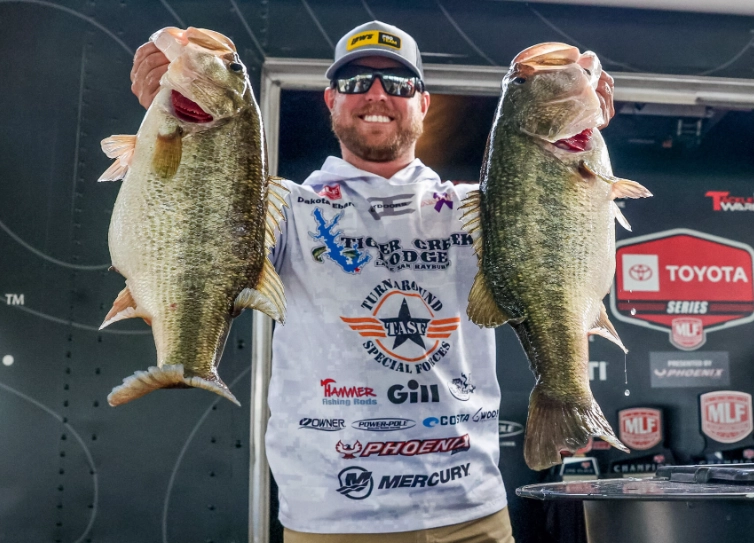
The Weigh-In: The Moment of Truth
This is the climax. You need to be back at the designated spot at the exact cut-off time. No exceptions. You'll bring your catch (alive, in a weigh bag with water) to the stage. The crowd gathers. The emcee amps up the excitement.
Your fish are weighed, measured, and often quickly released. The weight is recorded, and you see your name pop up on the leaderboard (or not). Even if you don't win, it's fun to see what others caught and how they caught them. People love to talk at the weigh-in. It's a great learning opportunity.
After the Awards: The Real Value
After prizes are given out, don't just pack up and leave. This is networking gold. Talk to the winners. Ask them casual questions: "Congrats on the win! Did you find them deep or shallow today?" Most are happy to share general info. You'll learn more in 10 minutes of these conversations than in hours of watching videos online.
Grab a burger from the food stand, chat with the folks at the tackle sponsor booths, and just soak in the atmosphere. This is the community part of fishing events that keeps people coming back.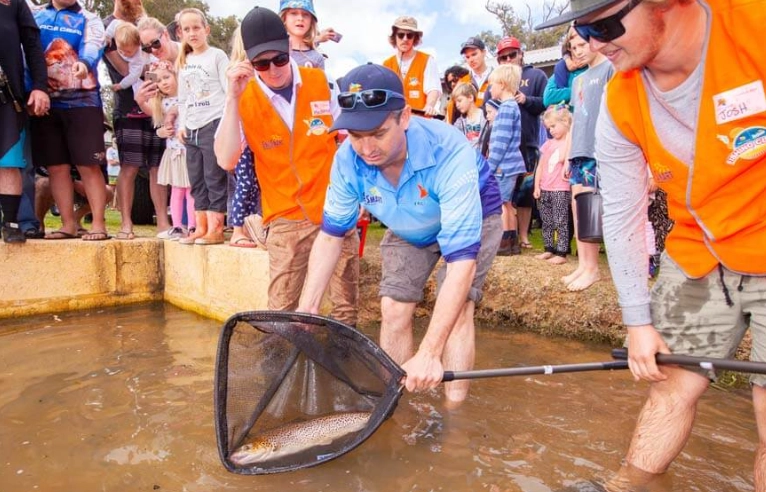
Fishing Events FAQ: Answering Your Real Questions
I get asked a lot of the same questions by people thinking about trying their first event. Here are the straight answers.
How much does it cost to enter a fishing tournament?
It's all over the map. A small local club tournament might be $30-$50. A charity derby could be $25 for adults, free for kids. Larger, open tournaments with bigger purses can range from $100 to over $500 per team. Always check the entry fee upfront. Remember, the fee often goes into the prize pool or to the charity, so you're not just "spending" money.
Can I fish a tournament alone, or do I need a partner?
It depends on the event format. Many are team events (like two-person bass teams). Some have solo "pro" divisions and co-angler/amateur divisions. Charity derbies are almost always individual. Read the event description carefully. If it's a team event and you need a partner, sometimes the organizer can help connect you with someone, or you can post on local fishing forums.
Are there fishing events for kids or families?
Absolutely, and they are the best! These are often called "Fishing Derbies" or "Kids Fishing Days." They are specifically designed for beginners. The pond is usually stocked, volunteers are there to help untangle lines and bait hooks, and there are often prizes for every child who participates. It's a zero-pressure, super fun introduction. Your state wildlife agency website is the best place to find these.
What's the best way to actually win a fishing competition?
Consistency. It's not always about the one giant fish. In a total-weight format, five decent fish will almost always beat one monster and four dinks. So, figure out a pattern that's repeatable. Find an area where you can catch several fish, not just hope for a single lucky bite. Pre-fishing (scouting the lake before the event) is crucial for serious competitors. For the rest of us? Focus on having a solid, basic technique you're confident with and stick to areas you know.
I'm a beginner. How do I find a low-pressure event?
Look for these keywords: "Fun," "Open," "Charity," "Buddy," or "Family" in the event title. Avoid events with "Classic," "Championship," or "Pro" in the name for your first time. Contact the organizer and just tell them, "Hey, I'm new to this and looking for a friendly first event. Is this a good fit?" Their answer will tell you everything.
Where can I learn the official rules and ethics?
For the foundational rules—seasons, limits, legal methods—your state's Department of Natural Resources (DNR) website is the absolute authority. For tournament ethics and conservation practices, groups like Take Me Fishing and the Future Fisherman Foundation have great resources on responsible angling. Good event organizers prioritize fish survival, which is why many have strict rules about proper livewell use and release methods.
At the end of the day, fishing events are about more than catching fish. They're about connection. Connecting with other people who get why you'd sit in the rain hoping for a bite. Connecting with a community that cares about the lakes and rivers. And connecting with a side of the sport that's full of laughter, learning, and a little healthy competition.
My advice? Pick one that sounds like fun, do a little homework, and go for it. Be friendly, ask questions, and follow the rules. You might just get hooked on a whole new way to enjoy fishing. I know I did.