Florida isn't just about beaches and theme parks. For anglers, it's the undisputed deep sea fishing capital of the continental U.S. The reason is simple geography: the Gulf Stream, that mighty river of warm water, brushes right up against the state's Atlantic coast, bringing with it a staggering variety of pelagic fish. On the Gulf side, you've got fertile grounds teeming with grouper and snapper. But here's the thing most generic guides miss—success isn't just about hopping on any boat. It's about matching your expectations, budget, and skill level to the right piece of water at the right time.
I've spent over a decade chasing fish out of ports from Key West to Destin. The biggest mistake I see? Newcomers get sold on the dream of a marlin without understanding the commitment (and potential seasickness) of a 12-hour trip 30 miles out. Let's cut through the charter brochures and get real about what a Florida offshore fishing trip actually entails.
Your Deep Sea Fishing Roadmap
Choosing Your Florida Deep Sea Fishing Port
This is your first and most crucial decision. The port dictates the species, the trip length, and the overall vibe. Don't just pick a port near your hotel; pick one for the fishing you want.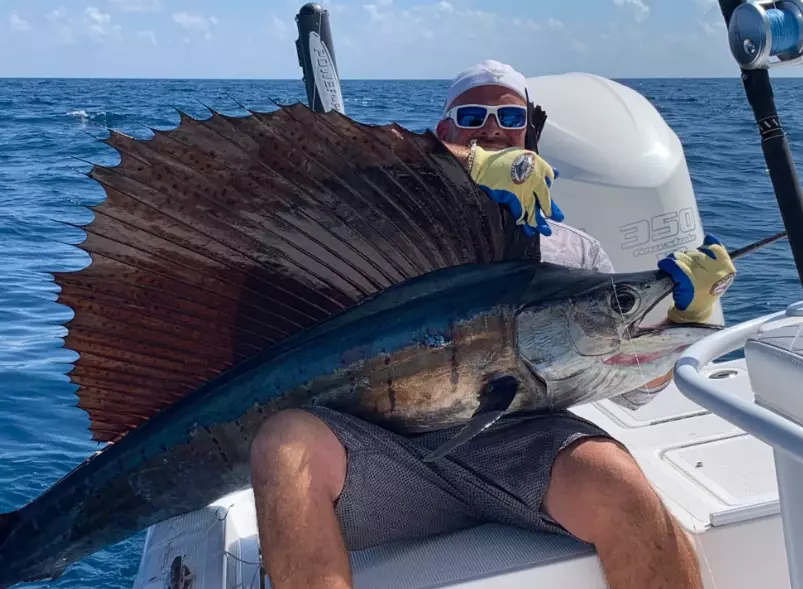
The Atlantic Coast (Gulf Stream Access): This is the highway for billfish, tuna, and mahi-mahi.
- Fort Lauderdale / Miami: The sportfishing epicenter. Hundreds of charters, world-class boats, and direct access to the Stream. It's competitive, which can mean better prices, but also a lot of boat traffic. Perfect for serious anglers wanting a shot at sailfish or blue marlin.
- Palm Beach: Known as the "Sailfish Capital of the World." The continental shelf is closer here, meaning less run time to deep water. Winter is spectacular for sails. It feels slightly less hectic than Miami.
- Treasure Coast (Stuart, Fort Pierce): A hidden gem. Excellent bottom fishing for snapper and grouper, and fantastic sailfishing. The charters here often feel more personal and less like a factory.
The Gulf Coast (Calmer Waters, Rich Bottoms):
- Naples / Marco Island: Incredible backcountry and nearshore fishing, but also serious deep water access. Famous for giant goliath grouper (catch-and-release) and prolific snapper holes. The water is generally calmer than the Atlantic.
- Destin / Panama City Beach: "The World's Luckiest Fishing Village." The emerald waters hold massive red snapper (during the federal season) and amberjack. The underwater terrain is a maze of reefs and wrecks. A top choice for filling the cooler.
Understanding the Types of Deep Sea Fishing
Not all offshore trips are created equal. Knowing these styles will help you talk to a charter captain.
Bottom Fishing / Reef Fishing
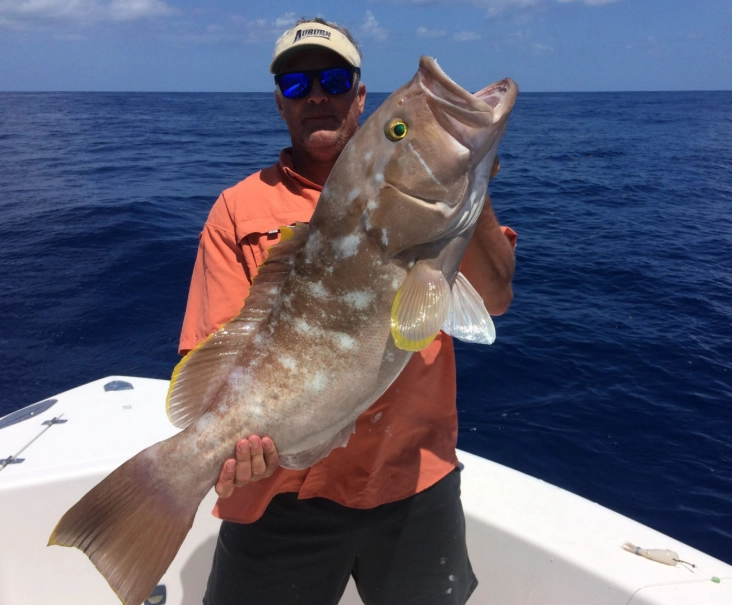
You're targeting fish that live on or near the seafloor. The boat anchors or drifts over a wreck, reef, or ledge. You'll use heavier tackle to drop baits down 100 to 300 feet. This is the bread and butter for species like red snapper (in season), gag grouper, amberjack, and triggerfish. It's action-packed, great for beginners and families, and you usually come home with dinner.
Trolling
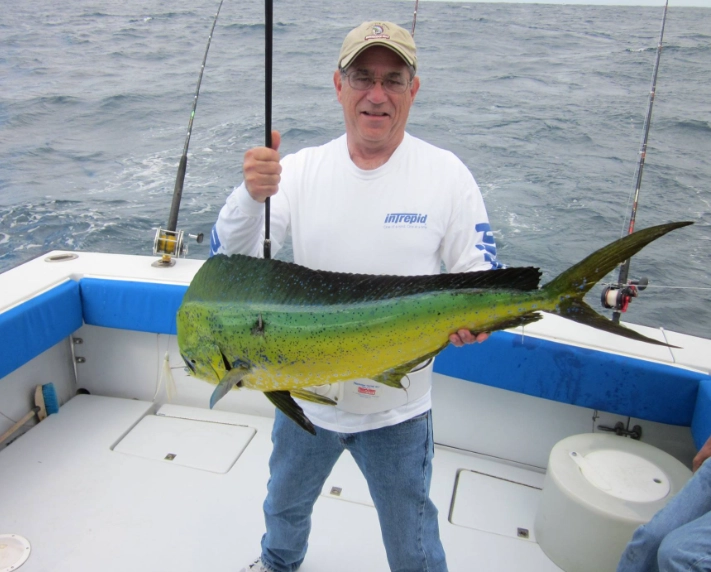
This is the classic image of deep sea fishing. Lines with lures or baits are dragged behind a moving boat. It covers water to target predators like mahi-mahi (dorado), wahoo, kingfish, and the prized billfish—sailfish and marlin. It can involve long stretches of waiting, punctuated by chaotic, high-adrenaline fights. It's more expensive due to fuel costs from covering miles of ocean.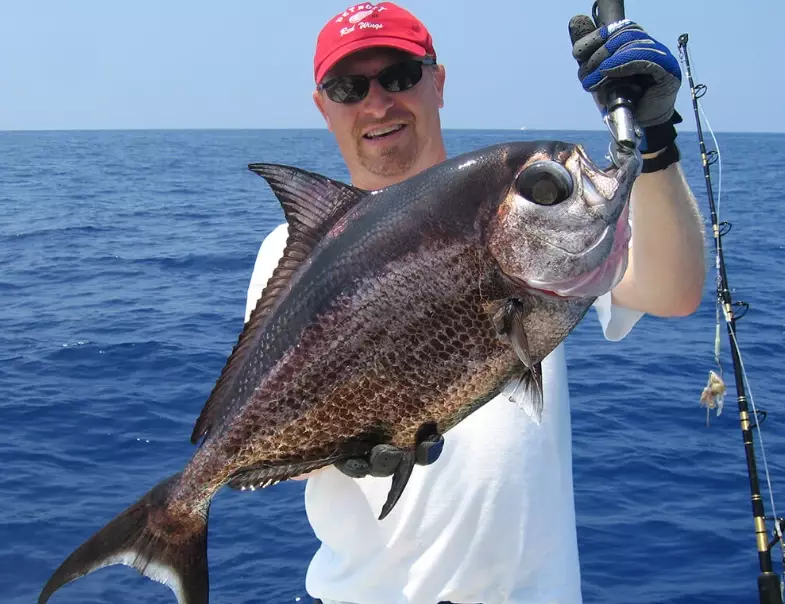
Live Bait Fishing
A versatile technique. You might drift with live pilchards or threadfin herring to catch kingfish, cobia, or blackfin tuna. It's more active than trolling and often more effective when fish are finicky. A skilled captain knowing where to get live bait is a huge advantage.
The Real Cost of a Deep Sea Fishing Trip
Let's talk numbers, because sticker shock is real. I've seen people walk off the dock because they didn't budget for the extras.
| Trip Type | Average Cost | What's Included | Best For |
|---|---|---|---|
| Shared Party Boat ("Headboat") |
$80 - $150 per person (half-day) |
Rod/reel rental, bait, license. Crew helps with basics. | Budget anglers, solo travelers, beginners testing the waters. You fish with 20-50 others. |
| Private Charter (6-pax) (4-6 Hour Trip) |
$800 - $1,400 | Boat, captain, mate, gear, bait, license. Your group only. | Families, friend groups wanting a customized experience. Most popular option. |
| Premium Offshore Charter (8-10 Hour Trip) |
$1,200 - $2,200+ | Larger/faster boat, top gear, targeting specific pelagics (tuna, marlin). | Serious anglers, corporate trips, targeting trophy fish. |
The Hidden Costs Everyone Forgets:
- Fuel Surcharge: Many charters add this, especially for long trips. Can be $50-$150.
- Crew Tip: Standard is 15-20% of the charter rate. The mate works incredibly hard for this.
- Fish Cleaning: Usually $2-$5 per fish, or a flat rate for the catch. Worth every penny.
- Food & Drink: Most charters provide water/ice. Bring your own lunch and snacks.
What to Bring (And What to Leave Behind)
A private charter provides all the heavy tackle. Your job is to bring the personal items. This isn't a lake fishing trip.
The Non-Negotiables:
- Motion Sickness Prevention: Take meds (like Dramamine Non-Drowsy) the night before and again in the morning. Once you're sick, it's too late. Patches or ginger candies work for some.
- Polarized Sunglasses: Not just for style. They cut the glare so you can see fish in the water. It's a game-changer.
- Weather-Appropriate Clothing: A long-sleeve synthetic shirt, a waterproof windbreaker, and a hat. It's always 10-15 degrees cooler offshore, and you will get wet.
- Sunscreen (Reef-Safe): SPF 50+, applied liberally and often. The sun reflects off the water and fries you.
- Closed-Toe, Non-Slip Shoes: Deck shoes or boat shoes. No flip-flops or sandals—it's a safety hazard on a moving, wet boat.
Leave in the Car: Your heavy cooler (the boat has one), bananas (considered bad luck on many boats), excessive luggage, and dressy clothes.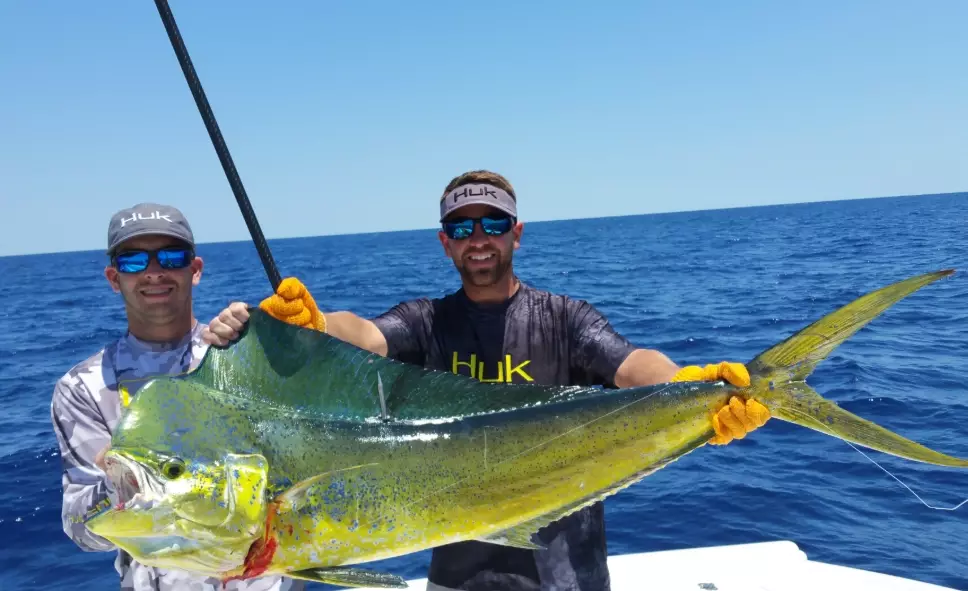
How to Book the Right Charter: Insider Tips
Picking a charter from a website is a gamble. Here's how to do it right.
1. Talk to the Captain. Call them. Don't just book online. A good captain will ask you questions: "What's your experience level? What fish do you want to catch? Any kids coming?" If they just quote a price and ask for a credit card, that's a red flag.
2. Define "Success." Is it catching a marlin? Or is it making sure your 10-year-old has fun reeling in a few snapper? Be honest. A good captain can set the trip up for your version of success.
3. Check Recent Catches, Not Just Glamour Shots. Look at their social media from the last month. Are they consistently putting people on fish? Do the clients in the photos look happy or exhausted and green?
4. Ask About the Mate. The mate (deckhand) can make or break your day. They'll be the one untangling your lines, baiting hooks, and coaching you. A good, patient mate is worth their weight in gold, especially for beginners.
5. Read Between the Lines on Reviews. Ignore the generic "Great trip!" reviews. Look for details: "Captain worked hard to find fish when the bite was slow," or "Mate was amazing with our kids." That's the good stuff.
Remember, you're not just renting a boat; you're hiring a guide for the ocean. Their local knowledge is the product.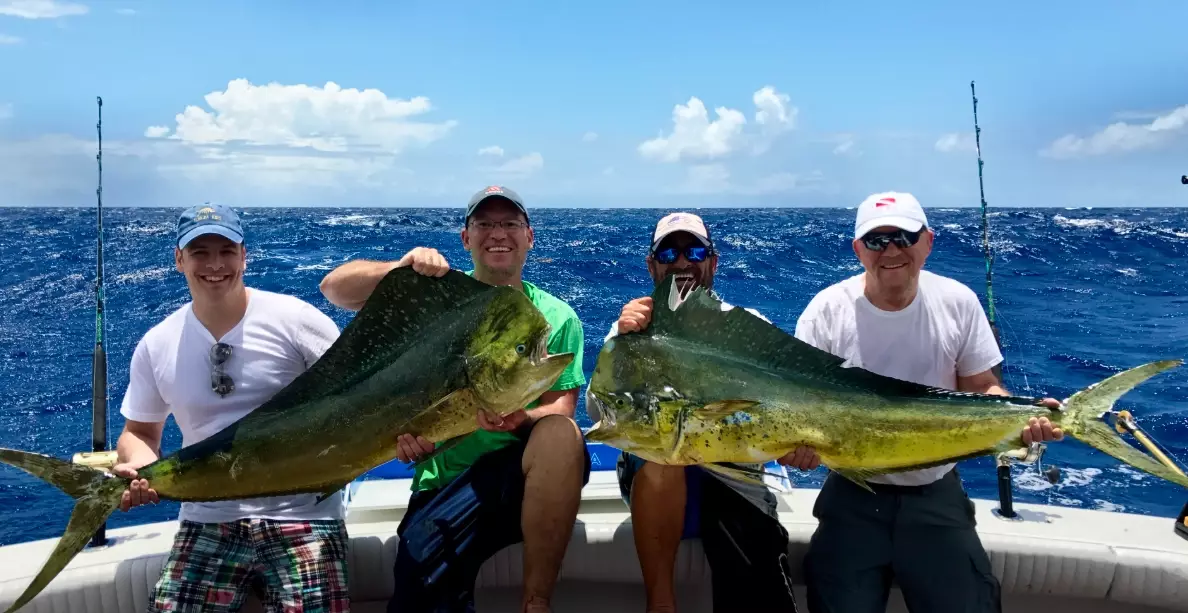
Reader Comments