Jump to What Matters
San Diego isn't just about beaches and breweries—it's a deep sea fishing paradise. I've spent over a decade chasing tuna, yellowtail, and dorado off this coast, and let me tell you, few places match the variety and accessibility. The water here teems with life, from the kelp forests inshore to the deep banks miles out. But planning a trip can feel overwhelming if you're new. This guide cuts through the noise, giving you the real scoop on charters, spots, and secrets to landing a big one.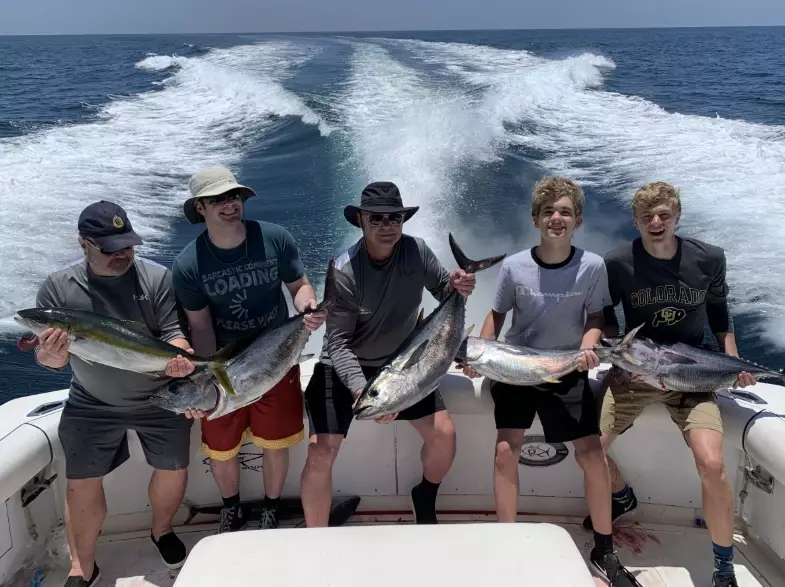
Why San Diego is a Deep Sea Fishing Hotspot
First off, the geography. San Diego sits where warm currents from the south meet cooler northern waters, creating a buffet for predatory fish. The continental shelf drops quickly, so you can reach deep water within an hour from port. That means less time traveling, more time fishing.
The marine diversity is insane. On a single trip, you might hook yellowfin tuna, calico bass, or even a marlin. I recall one August day near the Coronado Islands where we landed five yellowtail before lunch. The action is year-round, though seasons shift. Summer and fall bring pelagics like tuna, while winter offers rockfish and lingcod.
Access is another win. Multiple marinas—like Point Loma, Mission Bay, and Shelter Island—host fleets of charters. You can book last-minute or plan months ahead. Plus, the community is tight-knit; captains share intel on fish movements, which helps everyone succeed.
The Rich Marine Life: What You Can Catch
Here's a quick rundown of common catches:
- Yellowtail: Spring to fall, often around islands and kelp beds. They fight hard—expect a workout.
- Tuna (Bluefin, Yellowfin): Summer through fall, usually offshore. Bluefin can top 200 pounds, so gear up.
- Dorado (Mahi-Mahi): Summer months, near floating debris. Bright colors and acrobatic leaps.
- Rockfish and Lingcod: Year-round, but best in winter. Bottom fishing near structures.
- Sharks (Mako, Thresher): Spring and summer, for the adventurous. Catch-and-release is common.
The California Department of Fish and Wildlife regulates seasons and limits, so check their site for updates. I've seen anglers get fined for keeping undersized fish—don't be that person.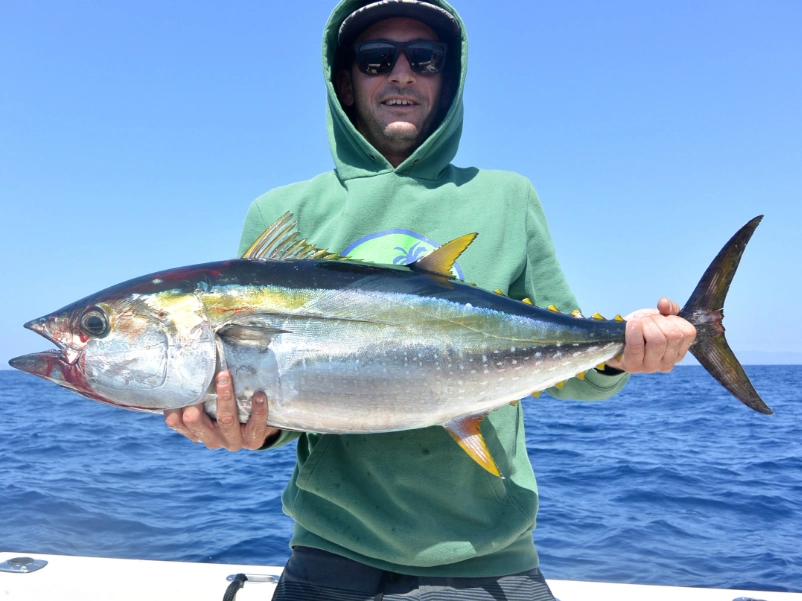
How to Pick the Right Fishing Charter
Choosing a charter can make or break your trip. I've been on both stellar and disappointing boats. Here's what to look for.
Start with the boat type. Larger vessels (60+ feet) handle rough seas better and have more amenities—bathrooms, galley, seating. Smaller boats (30-40 feet) offer a more intimate experience but can be bumpy. If you're prone to seasickness, go big.
Crew experience matters. A good captain knows where the fish are biting and how to adapt. Ask about their track record. I prefer charters where the captain has fished these waters for years, not just months.
Price is a factor, but don't cheap out. Shared trips cost less but mean sharing rail space with strangers. Private charters give flexibility but are pricier. Here's a comparison based on my experiences:
>Groups, families, special occasions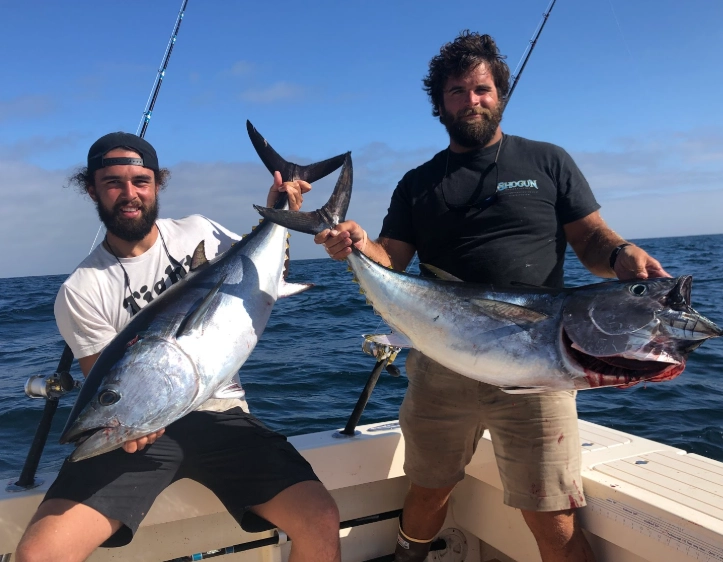
| Charter Type | Average Cost (Per Person) | What's Included | Best For |
|---|---|---|---|
| Shared Half-Day | $80 - $120 | Basic gear, license, bait (sometimes extra) | Beginners, short trips |
| Shared Full-Day | $150 - $250 | Gear, license, bait, fish cleaning | Serious anglers, offshore targets |
| Private Charter (6 people) | $800 - $2,500 total | Custom itinerary, all gear, snacks/drinks |
Read reviews, but dig deeper. Look for comments on crew attitude and fish counts. Some operators inflate numbers—I once booked a trip that promised "guaranteed tuna" but ended up with only mackerel. Call and ask questions: What's the cancellation policy? How many anglers on board? Is there shade?
A few reputable charters I've used:
- H&M Landing (Point Loma): Family-owned, wide range of boats. Address: 2803 Emerson St, San Diego, CA 92106. Their full-day trips target tuna and yellowtail, costing around $200 per person.
- Seaforth Sportfishing (Mission Bay): Modern fleet, good for beginners. Address: 1717 Quivira Rd, San Diego, CA 92109. Half-day trips start at $90, but bait is extra.
- Point Loma Sportfishing: Known for experienced captains. Address: 1403 Scott St, San Diego, CA 92106. Private charters run $1,200 and up, ideal for custom trips.
Book early, especially for summer weekends. I've seen slots fill weeks in advance.
Top Deep Sea Fishing Spots Near San Diego
Location is everything. Here are the prime areas, each with its own vibe.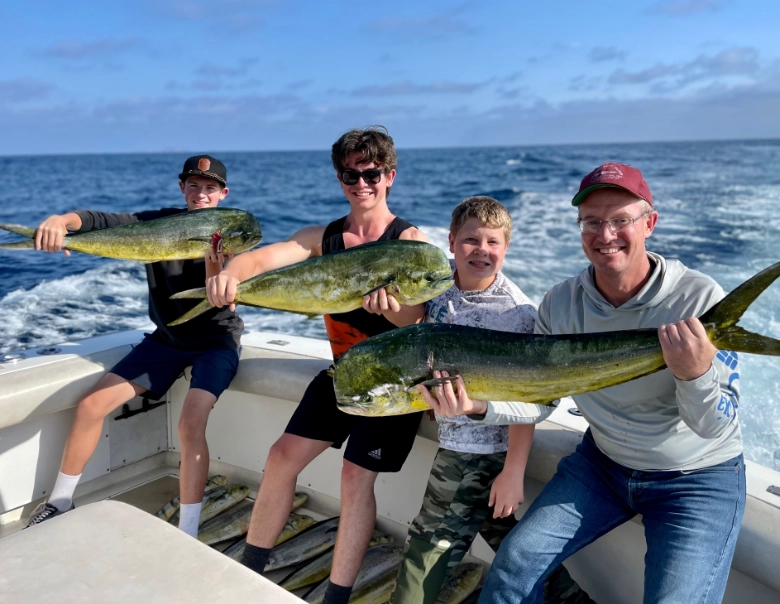
Coronado Islands
About 15 miles south of Point Loma, these Mexican islands are a yellowtail and tuna magnet. The water is deep, with currents that concentrate baitfish. You'll need a passport if landing, but most charters fish offshore. I've had epic days here, but it can get crowded. Go on a weekday if possible.
Nine Mile Bank
Exactly nine miles offshore, this underwater ridge attracts pelagics. It's a go-to for tuna in summer. The depth ranges from 200 to 600 feet, perfect for trolling or live bait. I've caught bluefin here in August, but be ready for a long fight.
302 and 371 Banks
Further out (30-40 miles), these spots are for serious anglers. The ride takes 2-3 hours, but the payoff can be huge—dorado, marlin, and big tuna. Trips here are full-day or overnight. Fuel costs add up, so charters charge more. Worth it if you're after trophies.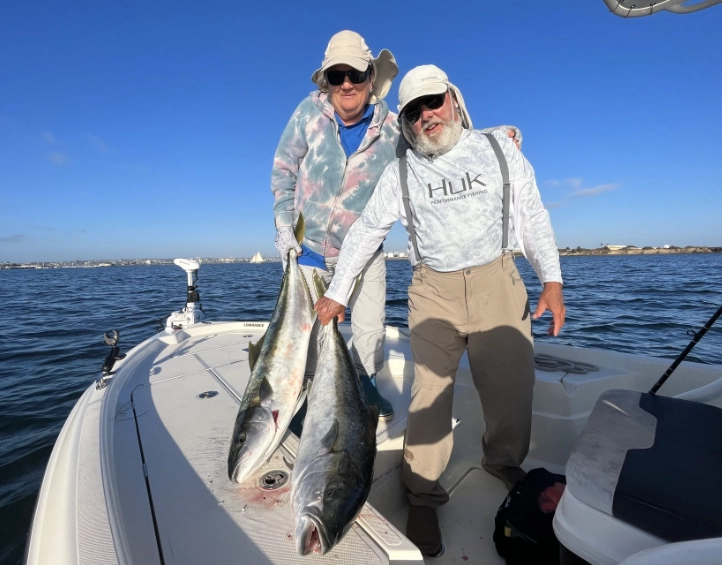
La Jolla Canyon
Closer to shore, this canyon drops to 600 feet. Great for bottom fishing—rockfish, lingcod, and even halibut. It's protected from wind, so good for beginners or when seas are rough. I've taken friends here for their first deep sea experience.
Spots change with seasons. Follow local reports from sources like the San Diego Union-Tribune's fishing column or charter websites.
What to Expect on Your Fishing Trip
A typical full-day trip starts early. Check-in at the dock around 5-6 AM. Bring your confirmation and ID. The crew will brief you on safety—listen up. I've seen people ignore this and trip over lines.
Once underway, it's 1-3 hours to the fishing grounds. Use this time to prep gear, snack, or nap. The crew usually sets up trolling lines first. When fish are spotted, they'll switch to live bait or jigging.
Fishing itself is a mix of waiting and chaos. You might have slow periods, then sudden action when a school hits. The crew helps with hook-ups and netting. Tip them well—10-20% of your fare is standard.
Lunch is often on board (bring your own or buy from the galley). Return to port by late afternoon, where fish cleaning is offered for a fee ($5-10 per fish). They'll fillet your catch and bag it.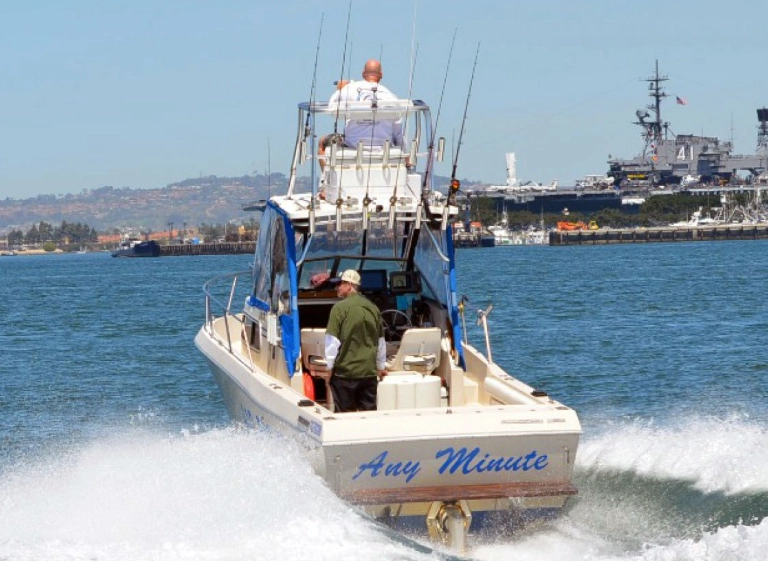
Pro tip: Wear layers. Mornings are chilly, but midday sun is intense. Non-slip shoes, sunscreen, and a hat are musts. I learned the hard way when I got sunburned and couldn't focus on fishing.
Essential Gear and Pro Tips
Most charters provide rods and reels, but bringing your own can boost confidence. If you do, opt for a medium-heavy rod with 30-50 lb line. For tuna, I use a Penn International reel—it's rugged.
Here's a checklist:
- Clothing: Quick-dry pants, long-sleeve shirt, rain jacket (spray happens).
- Extras: Polarized sunglasses to spot fish, gloves for handling line, a cooler for your catch.
- Medication: Seasickness pills, just in case. I pop one even if I feel fine—prevention beats misery.
Technique-wise, listen to the crew. They'll show you how to hook bait or work a jig. A common mistake: reeling too fast. Let the fish run, then pump the rod. I've lost countless fish by being impatient.
Conservation is key. Follow size and bag limits. Release undersized or unwanted fish gently. The ocean's health depends on it.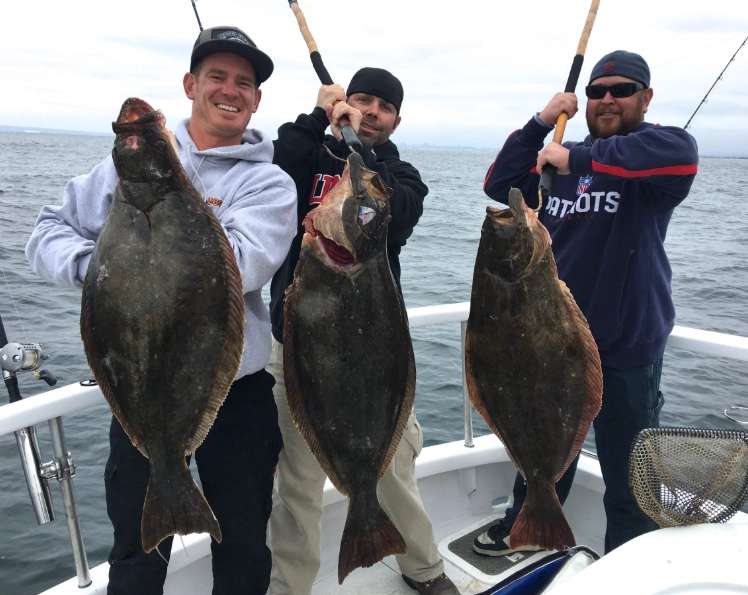
Common Questions Answered
Deep sea fishing in San Diego is more than a hobby—it's an adventure. With the right prep, you'll come back with stories and maybe dinner. Start planning, and tight lines!
Reader Comments