You're cleaning a fish, and those scales pile up. Most people toss them out without a second thought. But hold on—can you eat fish scales? The short answer is yes, fish scales are edible and even nutritious, but there's a catch. They need proper preparation to be safe and palatable. I've been fishing and cooking for over a decade, and I've seen too many folks miss out on this sustainable food source due to misconceptions. Let's cut through the noise and get into the real details.
What You'll Learn in This Guide
What Are Fish Scales Made Of?
Fish scales aren't just random bits of armor. They're primarily composed of collagen, a protein that's great for skin and joints, and calcium phosphate, which adds a mineral boost. Think of them as a natural supplement in disguise. Different fish have different scale types—cycloid scales on salmon are smooth, while ctenoid scales on bass have tiny teeth. That texture matters when you're eating them. I remember scaling a trout once and noticing how flexible the scales were; it made me wonder why we don't use them more in cooking.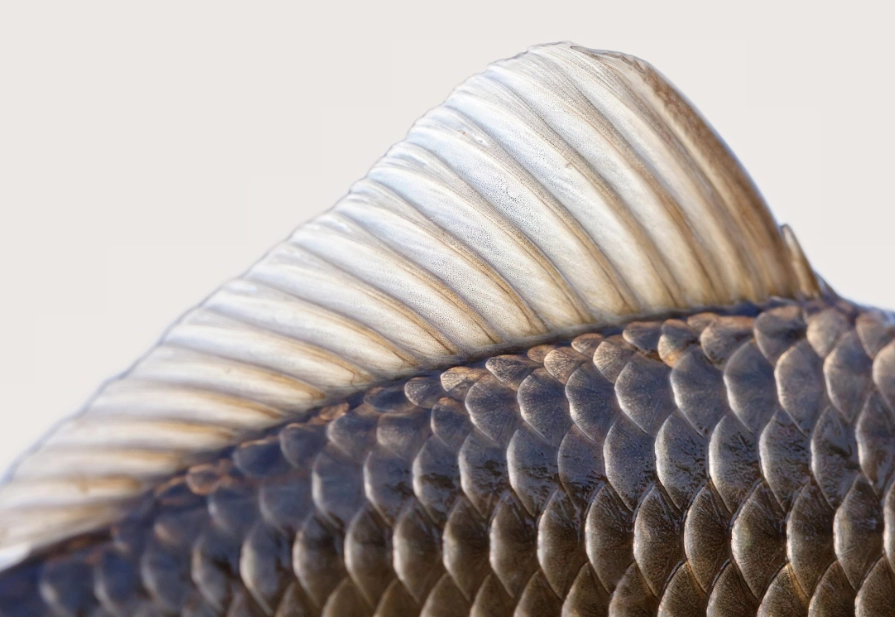
From a biological standpoint, scales protect the fish from parasites and injuries. But from a culinary angle, they're a potential goldmine of nutrients. The U.S. Food and Drug Administration (FDA) doesn't specifically regulate fish scales, but they fall under general seafood safety guidelines. If the fish is safe to eat, the scales usually are too, provided they're clean.
Nutritional Value of Fish Scales
Let's talk numbers. Fish scales pack a punch in terms of nutrition. They're rich in collagen, which can support skin elasticity and joint health. A study from the National Institutes of Health (NIH) highlights collagen's role in reducing arthritis pain. Scales also contain calcium, phosphorus, and trace minerals like zinc. Compared to fish meat, scales have less protein but more minerals per gram.
Here's a quick comparison based on average values per 100 grams:
| Nutrient | Fish Scales (approx.) | Fish Flesh (e.g., Salmon) |
|---|---|---|
| Collagen | High (20-30g) | Low (1-2g) |
| Calcium | 500-800 mg | 10-20 mg |
| Protein | 10-15g | 20-25g |
| Phosphorus | 300-500 mg | 200-300 mg |
This isn't just theoretical. In many Asian cuisines, fish scales are used in broths to extract collagen, believed to improve skin health. I've tried making a scale-based broth—it's gelatinous and rich, though the flavor is mild. You need to simmer it for hours to break down the collagen.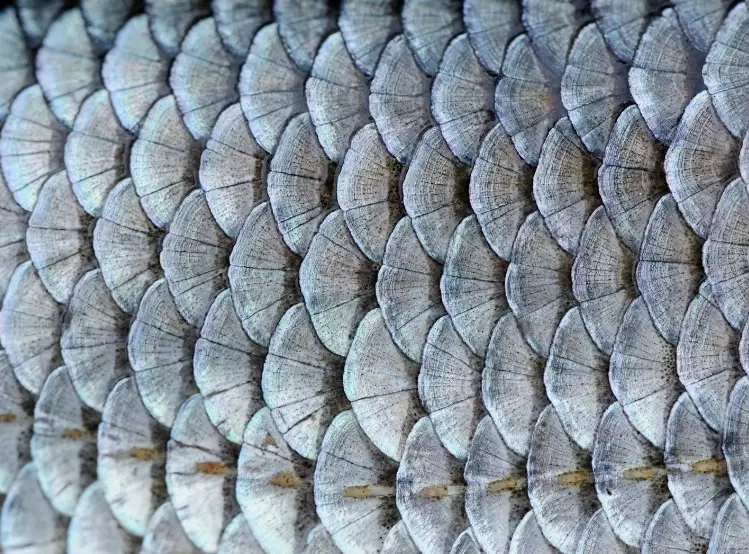
But here's a nuance most guides miss: the nutritional value varies by fish species. Scales from fatty fish like mackerel might have more oils, while lean fish like cod offer purer collagen. Don't assume all scales are equal.
Safety Concerns: Are Fish Scales Safe to Eat?
Safety first. Fish scales can be safe to eat, but there are risks if handled poorly. The main concerns are contamination and choking hazards.
Contamination: Scales can harbor bacteria, parasites, or environmental toxins like heavy metals. If the fish lived in polluted waters, the scales might accumulate more toxins than the flesh. Always source fish from reputable suppliers. The Environmental Protection Agency (EPA) advises checking local fish advisories for contamination levels. I once bought fish from a dubious market and found the scales gritty with sediment—not something you want to ingest.
Choking and digestion: Scales are tough and can be sharp. Eating them raw or undercooked might cause throat irritation or digestive issues. Proper cooking softens them. A common mistake is not cooking them long enough; they should be crispy or dissolve in liquid, not chewy.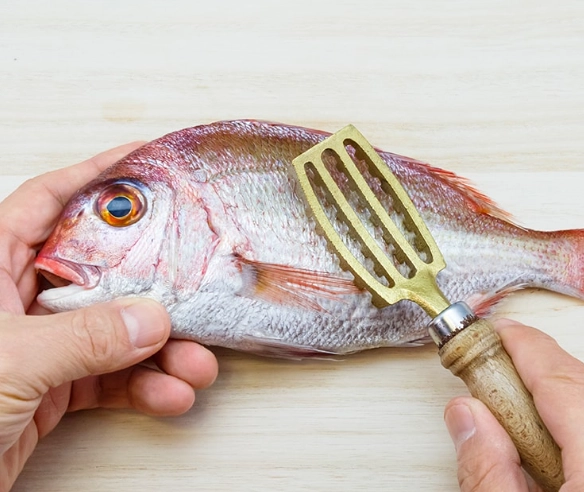
Allergies: If you're allergic to fish, avoid scales altogether. They contain fish proteins that could trigger reactions.
My rule of thumb: if the fish is safe to eat, and you clean and cook the scales thoroughly, they're generally safe. But skip them if the fish looks diseased or comes from unknown waters.
How to Prepare Fish Scales for Eating
Preparation is key to making fish scales edible. Here's a step-by-step method I've refined over years. It works for most fish types, but adjust based on scale size.
Step 1: Cleaning the Scales
Remove scales from the fish using a scaler or knife. Rinse them under cold water to remove slime and debris. Some people soak them in saltwater for 10 minutes to kill bacteria—I find it helps with odor. Pat them dry with paper towels. Avoid using soap; it leaves residues.
Step 2: Cooking Methods
You can't just toss scales into a salad. They need heat to become palatable.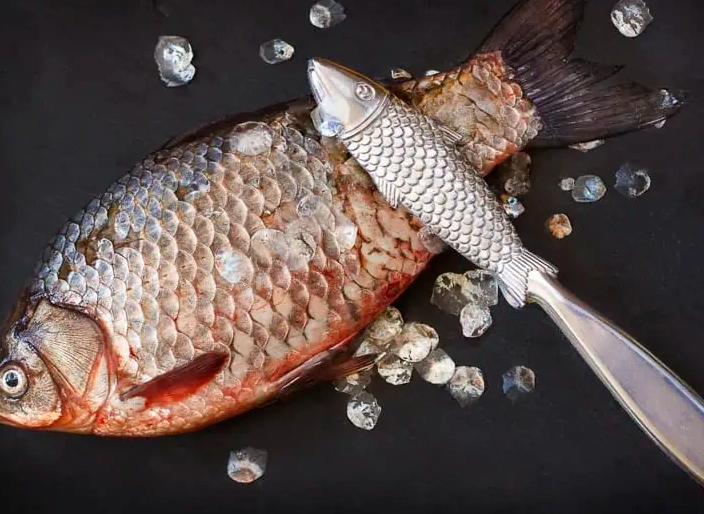
- Frying: Heat oil in a pan, add dried scales, and fry until crispy (2-3 minutes). They puff up like crackers. Season with salt or spices. I love them as a topping for soups—adds a nice crunch.
- Boiling for Broth: Add scales to a pot with water, vegetables, and herbs. Simmer for 2-3 hours until the broth thickens. Strain out the scales. The collagen dissolves, giving a silky texture.
- Baking: Spread scales on a baking sheet, drizzle with oil, and bake at 350°F (175°C) for 10-15 minutes until golden. Great for snacks.
Experiment with flavors. I've mixed scales with garlic powder or chili flakes for a kick. But don't overcook—burnt scales taste bitter and lose nutrients.
Step 3: Storage
Store cleaned, uncooked scales in an airtight container in the fridge for up to 2 days. For longer storage, dry them completely and keep in a cool, dark place. They can last months if dried properly.
A pro tip: scales from larger fish like salmon are easier to handle. Small, delicate scales from trout might disintegrate if fried too quickly.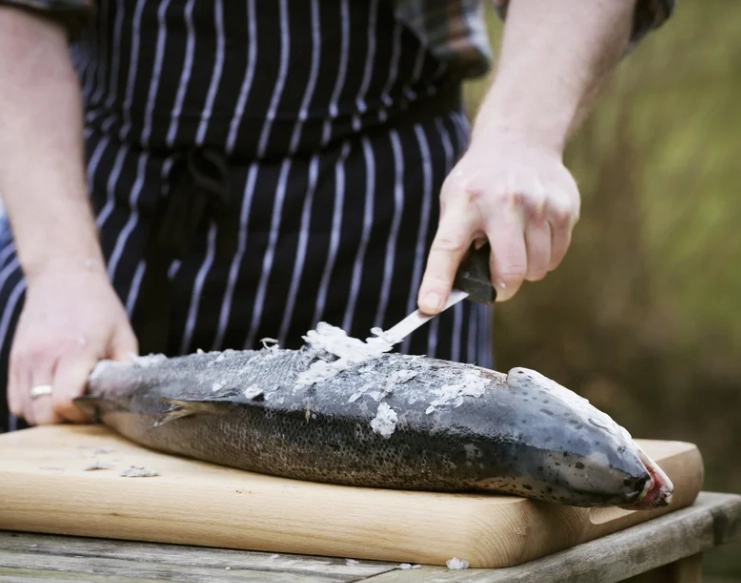
Cultural and Culinary Uses of Fish Scales
Fish scales aren't a new trend. In many cultures, they're a traditional ingredient, often overlooked in the West.
In Japan, scales are used in dashi broths for umami depth. Chefs simmer them with kelp to extract flavors. I visited a sushi bar in Tokyo where the chef served crispy scale tempura—light and airy, almost like pork rinds but healthier.
In parts of China, scales are boiled down to make gelatin for desserts or medicinal soups. A friend from Guangdong told me her grandmother always saved scales for a collagen-rich soup believed to aid recovery from illness.
In Scandinavia, some communities fry scales as a snack during fishing seasons. It's a zero-waste practice that aligns with sustainable eating.
Why don't more people eat scales? Often, it's a texture issue or lack of knowledge. But with the rise of sustainable seafood movements, using the whole fish is gaining traction. Organizations like the Marine Stewardship Council promote reducing food waste, and scales fit right in.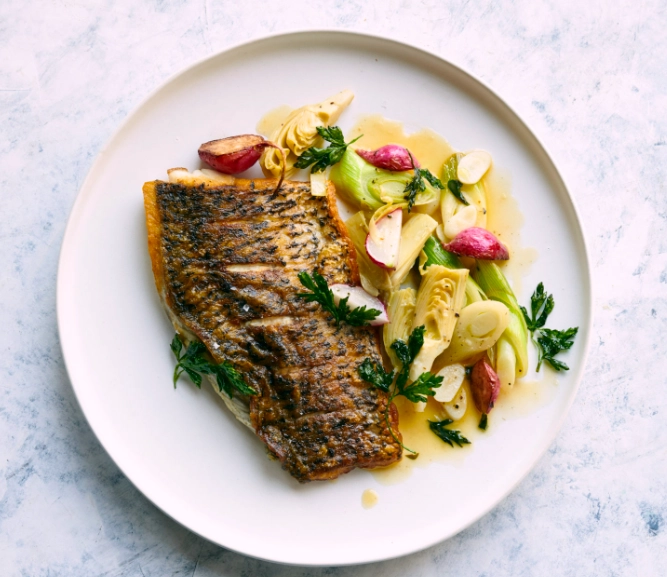
Personal Experience: I once hosted a dinner where I served fried cod scales as an appetizer. Guests were skeptical at first, but after trying them, they loved the crunch. One friend even asked for the recipe. It's all about presentation and proper cooking.
Common Misconceptions About Eating Fish Scales
Let's bust some myths. I've heard these too often.
Myth 1: Fish scales are always toxic. Not true. Toxicity depends on the fish's environment. Farm-raised fish from clean waters usually have safe scales.
Myth 2: Scales have no nutritional value. Wrong. As shown earlier, they're rich in collagen and minerals. They're not a complete food, but they add value to your diet.
Myth 3: All fish scales are edible. This is tricky. Most are, but some fish, like catfish, have thick, bony scales that are hard to digest. Always research the fish species. For example, scales from tilapia are soft and easy to cook, while those from swordfish might be too tough.
Myth 4: You need special equipment to prepare scales. Nope. A basic scaler, pan, and oven work fine. I started with just a knife and a frying pan.
These misconceptions stem from a lack of hands-on experience. Once you try it, you'll see it's simpler than it seems.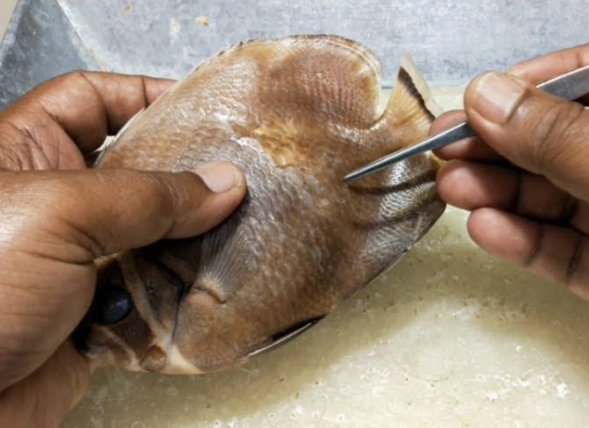
Frequently Asked Questions (FAQ)
Wrapping up, fish scales are more than just waste. They're a nutritious, sustainable food source when handled correctly. Next time you clean a fish, think twice before tossing those scales. With proper cleaning and cooking, you can turn them into a tasty, health-boosting addition to your meals. Give it a shot—you might be surprised.
Reader Comments