The Ultimate Guide to Fishing Tide: How to Catch More Fish Using Tides
Ever wondered why some days you catch nothing and others you limit out? This ultimate guide to fishing tide explains everything from moon phases to reading charts, helping you plan your next successful trip.
Quick Navigation
- So, What Exactly Is a Fishing Tide?
- Why the Moon is Your Secret Fishing Coach
- How to Actually Read a Tide Chart (It's Easier Than You Think)
- The Best Lures and Rigs for Different Tides
- Common Fishing Tide Myths Debunked
- Putting It All Together: Planning Your Perfect Trip
- Fishing Tide FAQs (Questions I Get Asked All the Time)
Let's be honest, we've all been there. You wake up before dawn, pack your gear with that familiar excitement, drive to your favorite spot, and cast your line with high hopes... only to sit there for hours without a single bite. Meanwhile, the guy down the shore seems to be hauling them in one after another. What's his secret? Nine times out of ten, it's not magic bait or a secret lure. It's timing. More specifically, it's understanding and using the fishing tide.
I used to think tides were just about water going up and down. A minor detail. Boy, was I wrong. After more frustrating trips than I care to admit, I started paying attention. I kept a log, talked to old-timers at the pier, and slowly the puzzle pieces came together. The tide wasn't just a detail; it was the main event. It dictated where the fish were, how they fed, and whether my day would be a success or a story about "the one that got away"—except nothing even got close to the hook.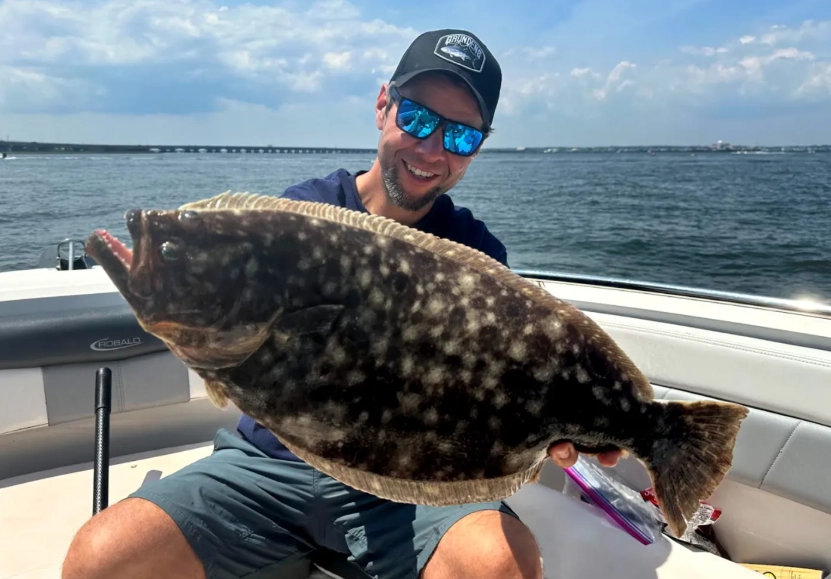
So, What Exactly Is a Fishing Tide?
At its core, a tide is the rise and fall of sea levels caused by the gravitational pull of the moon and the sun on the Earth's oceans. For anglers, a fishing tide refers to the specific state of this cycle and how it influences fish behavior. It's not just high or low water; it's the movement, the current, the change in depth, and the way it stirs up the entire food chain.
Fish are creatures of energy conservation. They won't fight a raging current to grab a snack unless they have to. But they also know that moving water brings food to them. The perfect fishing tide is that sweet spot where the water is moving enough to concentrate baitfish and dislodge crustaceans from the bottom, but not so fast that game fish are hunkered down behind structure, waiting for it to slow.
The Four Main Stages of a Tide (And What Fish Are Doing)
Every tide cycle has four key phases. Missunderstanding these is where most beginners, myself included, stumble.
| Tide Stage | What's Happening | Fish Behavior & Fishing Outlook | My Personal Take |
|---|---|---|---|
| Low Tide | Water is at its minimum height. Often exposes mudflats, oyster beds, and structure. | Fish are typically pushed into deeper channels, holes, and drop-offs. Feeding can be slow as they are concentrated but cautious. Great for locating structure. | I find this the toughest time to fish from shore. The water's often too shallow near me. But it's a fantastic scouting period to see where the rocks and holes are. |
| Incoming Tide (Flood Tide) | Water is rising, moving from offshore toward the shore. | Often considered the best tide for fishing. Baitfish are pushed inward, predators ambush them along edges, points, and marsh drains. Oxygen levels rise, and fish are actively hunting. | This is my go-to. The last two hours of an incoming tide are pure magic, especially for striped bass and redfish. They ride that moving water right into the shallows. |
| High Tide (Slack High) | Water reaches its peak height. Current movement is minimal or stops briefly. | The famous "slack tide." Feeding often shuts down dramatically. Fish may rest or move into newly flooded areas like grass flats (for species like snook). | I used to hate slack tide. It felt like a waste of time. Now I use it to re-rig, have a snack, or move location. The bite usually picks up again as the water starts to move out. |
| Outgoing Tide (Ebb Tide) | Water is falling, moving from the shore back out to sea. | Another prime feeding window. Baitfish and nutrients are pulled out of creeks and marshes. Predators set up at creek mouths, inlets, and channel edges. Excellent for bottom fishing as crabs and worms get washed out. | Just as good as the incoming, sometimes better for flounder and sheepshead. They wait at the drains for food to be delivered right to them. |
See that pattern? The movement is key. No movement often means no bite. The starts of the incoming and outgoing tides are like rush hour in the fish world.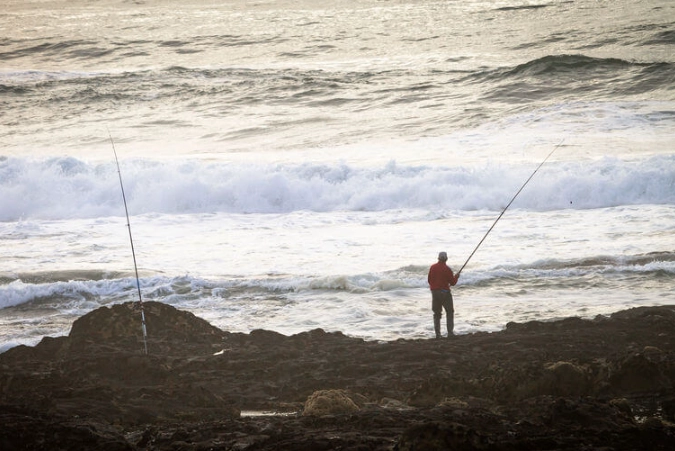
Why the Moon is Your Secret Fishing Coach
It's all about gravity, really. The moon's pull is the primary driver of tides. The sun plays a role too, which is why we get stronger "spring" tides and weaker "neap" tides.
- Spring Tides: Happen during full and new moons. The sun, moon, and Earth are aligned. This creates the biggest difference between high and low tide—stronger currents, more water movement. For aggressive feeders like tarpon or bluefish, this can be phenomenal. For finicky fish in strong currents, it can be tough.
- Neap Tides: Happen during the first and third quarter moons. The sun and moon are at right angles, pulling against each other. This creates the smallest tidal range—weaker currents. I find neaps can be excellent for inshore species like trout and redfish in backwaters, where the gentler flow gives them more time to inspect lures.
How to Actually Read a Tide Chart (It's Easier Than You Think)
This is where people get intimidated. All those numbers and graphs. But you only need to understand a few things. The best resource, hands down, is the NOAA Tides & Currents website. It's the official U.S. government source, and it's incredibly accurate.
Let's break down what you're looking for:
- Location: First, find the station nearest your fishing spot. A few miles can make a difference in timing.
- Times and Heights: You'll see a table listing times for high and low tides, and the predicted water height for each.
- The Key Metric - Rate of Change: Don't just note the high tide time. Look at the hours before it. Is the water rising slowly or quickly? A fast-rising tide (a big difference in height over a few hours) means stronger current. A slow rise is more gentle.
So, you've got your fishing tide times. Now what? The golden rule is to plan to fish the last two hours of the incoming tide and the first two hours of the outgoing tide. Mark those windows in your mind. That's your primary fishing time.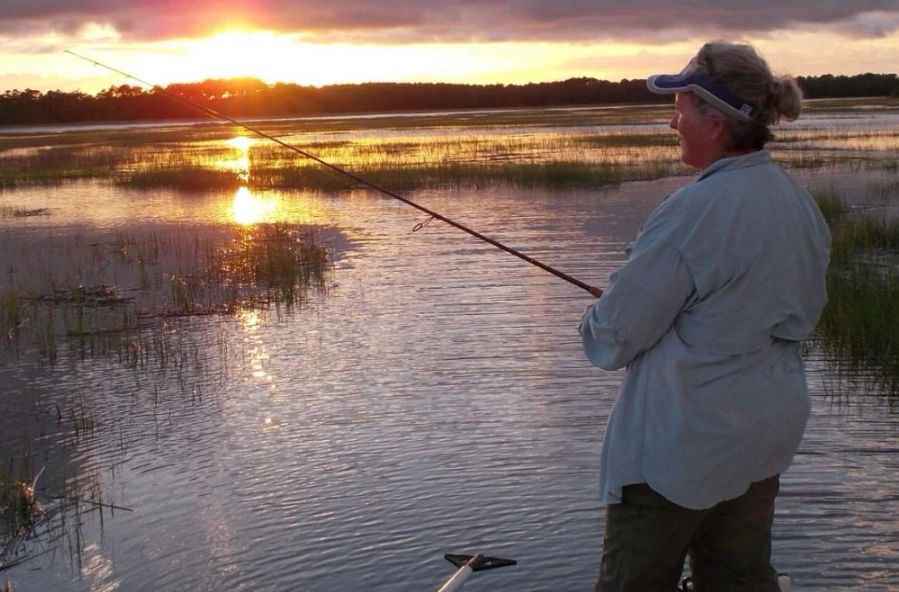
The Best Lures and Rigs for Different Tides
Your tackle choice needs to match the water movement.
For Strong Currents (Big Spring Tides):
- Heavier Jig Heads: You need weight to get your lure down and stay in the strike zone. If you normally use a 1/4 oz jig, bump up to 3/8 or 1/2 oz.
- Fast-Sinking Lures: Metal jigs (like Kastmasters), heavy bucktails, or deep-diving crankbaits.
- Bottom Rigs with More Weight: A fish-finder rig with a 3-4 oz sinker instead of 2 oz.
For Gentle Currents (Neap Tides or Slack Periods):
- Lighter, More Finesse Presentations: This is where soft plastics on light jig heads, topwater plugs, and suspending twitch baits shine.
- Slow Retrieves: Fish are less aggressive and have more time to look. A slow, fluttering retrieve often works better than a fast burn.
What About Bait?
Live bait is almost always a winner, but how you use it changes with the tide. On a strong outgoing tide, freeline a live shrimp or pinfish so it gets swept naturally out of a creek mouth. On a slow incoming tide, you might need to use a small weight to keep a piece of cut bait (like mullet or squid) near the bottom in a deeper hole.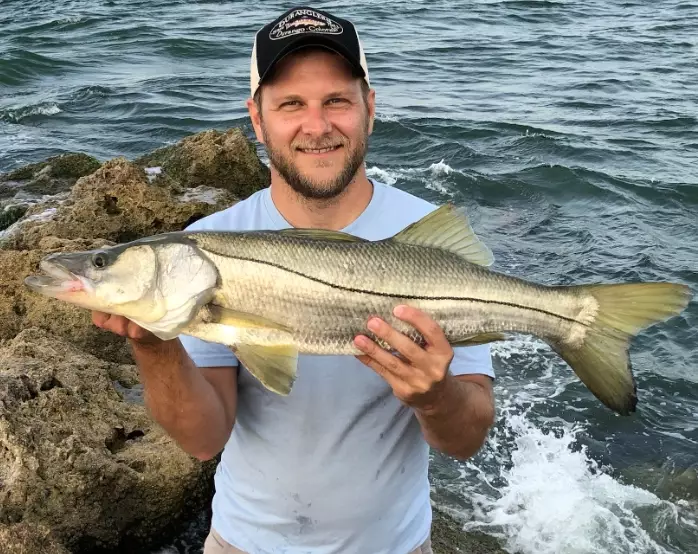
Common Fishing Tide Myths Debunked
Let's clear some things up. You'll hear these all the time.
Myth 1: "High Tide is Always the Best Time to Fish." This is the biggest one. As our table showed, high tide itself (the slack period) is often the worst. It's the movement toward and away from high tide that's golden.
Myth 2: "You Can't Catch Fish at Low Tide." You can, but you need to adjust. Target the deepest water you can find—channel edges, bridge pilings, the mouth of a deep hole. The fish are there, just stacked up and sometimes pickier.
Myth 3: "The Solunar Tables are 100% Accurate." Solunar tables predict major and minor feeding times based on moon position. They can be a helpful guide, but they don't account for local weather, water clarity, or bait presence. I use them as a secondary factor after the basic fishing tide stage. A major feed during slack high tide might still be slow.
Putting It All Together: Planning Your Perfect Trip
Here's my mental checklist now, born from years of trial and error.
- Check NOAA: Get the fishing tide times for my exact location. I identify my target window (e.g., 8 AM - 12 PM, covering the last of the incoming and start of the outgoing).
- Check the Moon: Is it a spring or neap tide? This tells me how strong the current will be and helps me pick my spot. Spring tide = focus on inlets and points with strong flow. Neap tide = focus on flats, back bays, and oyster bars.
- Check the Wind: Wind can pile water up (creating a wind tide) or hold it back, messing with the predicted times. A strong onshore wind can make a low tide not as low, and an offshore wind can exaggerate a low tide.
- Pick the Spot Based on Tide: If it's an incoming tide, I'll fish points of land or marsh drains where water funnels in. If it's outgoing, I'll be at the mouth of that same drain or along a channel edge.
- Pack the Right Gear: Heavy jigs for big current, light tackle for slack water.
It sounds like a lot, but after a while, it becomes second nature. You start to look at a coastline and think, "Where will the current flow when the water starts coming in? Right there, that's where I'd be if I were a fish."
Fishing Tide FAQs (Questions I Get Asked All the Time)
My Final Thought: Stop Guessing, Start Knowing
Learning to read and use the fishing tide transformed my fishing from a game of chance to a game of strategy. I still have slow days—everyone does—but they're far less frequent. The frustration of the skunk is replaced by the understanding that maybe I was just an hour early, or I fished the wrong side of the point for that tide.
It's not a magic bullet.
You still need to find fish, present your offering well, and have a bit of luck. But understanding tides gives you the single biggest leverage point you can control. It tells the fish where to be and when to eat. Your job is simply to show up at the same time with a well-presented lure.
Now get out there. The tide's turning.