How to Cook Fresh Catfish: A Complete Guide for Perfect Results
Wondering how to cook fresh catfish without the muddy taste? This definitive guide covers everything from selecting and cleaning your fish to foolproof frying, baking, and grilling techniques for delicious, flaky results every time.
Quick Navigation
Let's be honest. The first time I tried to cook fresh catfish, it was a disaster. I didn't know how to handle that slick skin, I was terrified of the bones, and the end result had a faint muddy aftertaste that made me wonder why people even bothered. I almost gave up. But then I spent a summer down South, watching folks who'd been doing it for generations, and it clicked. Cooking fresh catfish isn't just about a recipe; it's a process. Get the process right, and you're rewarded with some of the sweetest, flakiest, most versatile fish you can eat. Get it wrong, and well... you get my first attempt.
This guide is everything I wish I'd known back then. We're not just going to scratch the surface. We're going deep on how to cook fresh catfish from the moment you bring it home (or catch it) to the moment you serve it. We'll tackle the big fears—the cleaning, the infamous "muddy" taste—and walk through the methods that actually work. Forget the overly complicated chef-speak. This is practical, tested advice for getting delicious catfish on your table.
Why listen to me? Because I've done the legwork. I've tried the shortcuts (they usually fail). I've soaked fish in every liquid imaginable. I've over-seasoned and under-cooked. The goal here is to help you skip straight to the good part: perfect, succulent catfish every single time.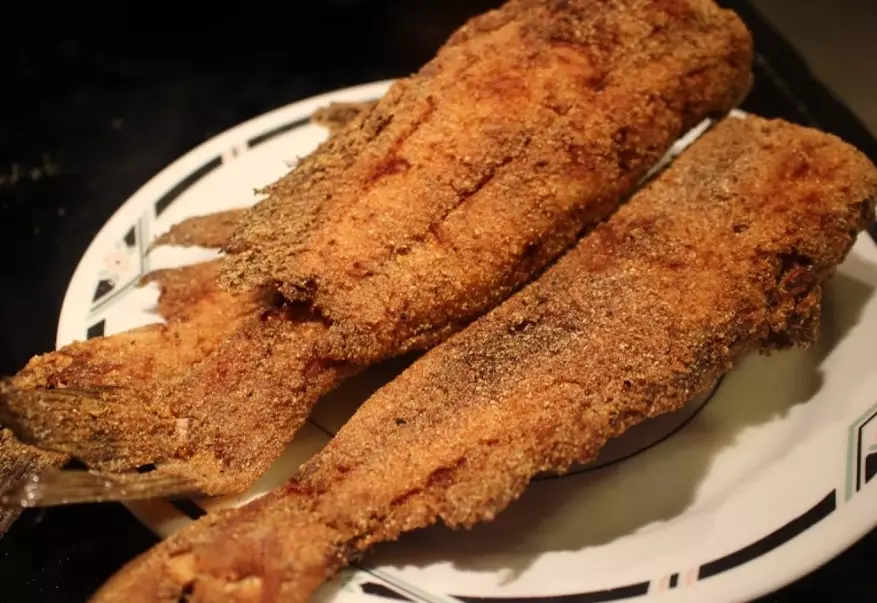
Before You Even Turn On the Stove: The Essential Prep Work
You can't just throw a whole catfish in a pan and hope for the best. Well, you can, but you won't like the results. How you prepare your catfish is 80% of the battle. This is where most mistakes happen, and where a little knowledge makes all the difference.
Getting Your Catfish Ready: Clean, Skin, and Portion
If you've never handled a whole catfish before, those whiskers and that tough skin can be intimidating. They're sturdy fish. Here's the lowdown on how to clean catfish properly, whether you're starting with a whole fish or fillets from the counter.
For a whole catfish:
You'll need a sharp fillet knife, a good cutting board (put a damp towel underneath to stop it sliding), and maybe a pair of pliers. Catfish don't have scales, which is a bonus, but they do have a tough, slick skin and sharp pectoral spines—be careful of those! A cut from one can get irritated. The classic method is to skin them. Make a shallow cut behind the head and pectoral fins, down to the backbone but not through it. Then, using pliers (catfish skinning pliers are a thing, but regular pliers work in a pinch), grip the skin at the head end and pull it down towards the tail. It should come off in one piece, like pulling off a tight sock. It's oddly satisfying once you get the hang of it.
My first skinning attempt was not satisfying. I tore the skin halfway down and made a mess of the flesh. The trick is a sharp initial cut and a firm, steady pull. Don't be timid.
Once skinned, gut the fish (if it hasn't been done already) and rinse the cavity thoroughly under cold water. Now you're ready to fillet. Run your knife along the backbone from head to tail, lifting the fillet away as you go. Flip and repeat. You'll be left with the main bone structure and, if you're lucky, two beautiful, boneless fillets. Run your fingers over the fillets to check for any remaining tiny bones (called pin bones) along the center line and pull them out with tweezers.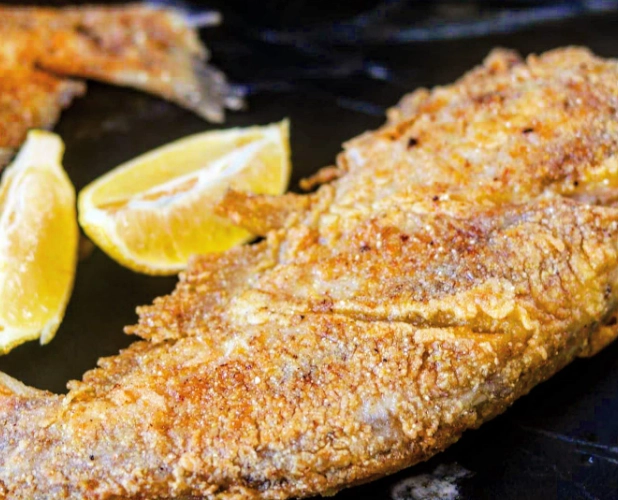
If you bought fillets:
Your job is easier, but you still need to inspect. Check the color—it should be pinkish-white, not yellowed or gray. Give it a sniff. Fresh catfish has a mild, clean, slightly sweet smell, like the water it came from. Any strong, fishy, or ammonia-like odor is a hard pass. Pat the fillets completely dry with paper towels. This is a non-negotiable step for getting a good sear or crispy coating later.
The Million-Dollar Question: How Do You Get Rid of the Muddy Taste?
This is the biggest worry people have when learning how to cook fresh catfish. That occasional earthy flavor comes from compounds called geosmin, which catfish absorb from their bottom-feeding environment. Farm-raised catfish (which is most of what you find in stores) has much less of this issue because of their controlled diet and water. But for wild-caught or if you just want to be sure, a good soak is your best friend.
Soaking isn't just folklore; it works. The goal is to draw out those compounds and any residual blood.
- The Buttermilk or Milk Bath: This is the gold standard, especially in Southern cooking. Submerge your catfish fillets in buttermilk or whole milk for at least 30 minutes, or up to 4 hours in the fridge. The lactic acid and enzymes tenderize the flesh slightly, and it seems to neutralize any off-flavors beautifully. It also provides a perfect sticky base for cornmeal breading.
- The Saltwater Brine: A simple solution of 1/4 cup kosher salt dissolved in 4 cups of cold water. Soak for 15-30 minutes. This helps firm up the flesh and seasons it from the inside out.
- The Acidic Rinse: Some folks swear by a quick soak in lemon juice or vinegar water (1 part acid to 4 parts water) for 10-15 minutes. I find this can slightly "cook" the exterior if left too long, making it mushy, so use this one with caution.
My go-to? Buttermilk, every time. For a standard dinner, an hour-long soak is perfect. It adds a subtle tang and guarantees a clean, sweet flavor. It's the single most effective step for learning how to cook fresh catfish that tastes great.
After soaking, no matter what liquid you used, rinse the fillets under cold water and pat them bone-dry again. Moisture is the enemy of browning.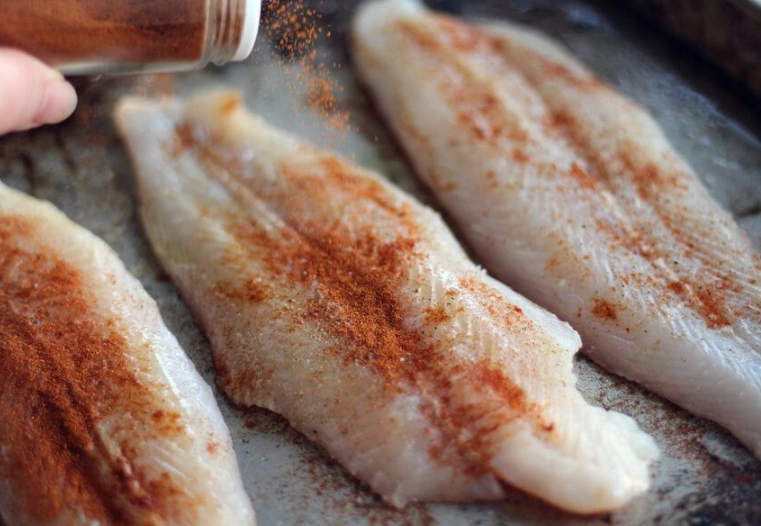
Your Toolkit: Choosing the Right Cooking Method
Catfish is incredibly forgiving and adapts to almost any heat. The method you choose depends on the texture and experience you're after. Here’s a quick breakdown to help you decide.
| Method | Best For | Texture Result | Key Tip |
|---|---|---|---|
| Pan-Frying / Southern Fried | Classic, crispy comfort food. The iconic way to cook fresh catfish. | Super crispy exterior, moist and flaky inside. | Use a cast-iron skillet and maintain oil temperature (350-375°F). Don't crowd the pan. |
| Baking / Roasting | A healthier, hands-off approach. Great for weeknights. | Tender, juicy, and lightly firm. | Place on a wire rack over a baking sheet for air circulation and even crisping. |
| Grilling / Blackening | Smoky, charred flavor. Perfect for summer. | Firm, slightly charred exterior, moist center. | Oil the grill grates well. Use a fish basket or cook on a cedar plank to prevent sticking. |
| Air Frying | Quick, less-mess crispy results with minimal oil. | Surprisingly close to fried—crispy outside, tender inside. | Spray or brush fillets lightly with oil for best browning. Don't overload the basket. |
| Poaching / Stewing | Delicate, infusing flavor into the fish. Great in curries or soups. | Extremely tender, almost silky. | Keep the liquid at a bare simmer, never a rolling boil. |
See? You've got options. Now let's get into the specifics of the most popular ways.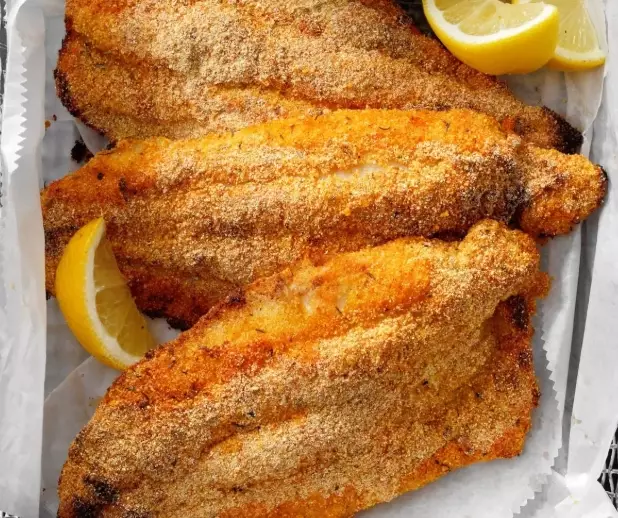
Mastering the Methods: Step-by-Step Recipes
The Iconic: Southern Pan-Fried Catfish
This is the heart of the matter for many. Learning how to cook fresh catfish the Southern fried way is a rite of passage. It's not complicated, but it demands attention.
Start with your buttermilk-soaked, thoroughly dried fillets. For the coating, the classic mix is fine cornmeal and all-purpose flour, about a 2:1 ratio. Season this mix aggressively. I'm talking salt, black pepper, garlic powder, onion powder, paprika, and a pinch of cayenne for warmth. Some folks add a little cornstarch for extra crunch. Dredge each dry fillet in the seasoned mix, pressing gently to make sure it adheres well. Let them rest on a rack for 5-10 minutes. This helps the coating set and prevents it from sloughing off in the oil.
Heat about 1/2 inch of a neutral, high-smoke-point oil (peanut, canola, or vegetable oil) in a heavy skillet, preferably cast iron, to 375°F. A candy/deep-fry thermometer is your best friend here. If you don't have one, drop a tiny pinch of flour into the oil; if it sizzles vigorously immediately, you're good.
Gently lay the fillets in the hot oil, away from you to avoid splatter. Don't crowd them—fry in batches if needed. Crowding drops the oil temp and makes everything soggy. Fry for 3-5 minutes per side, depending on thickness, until deeply golden brown and crispy.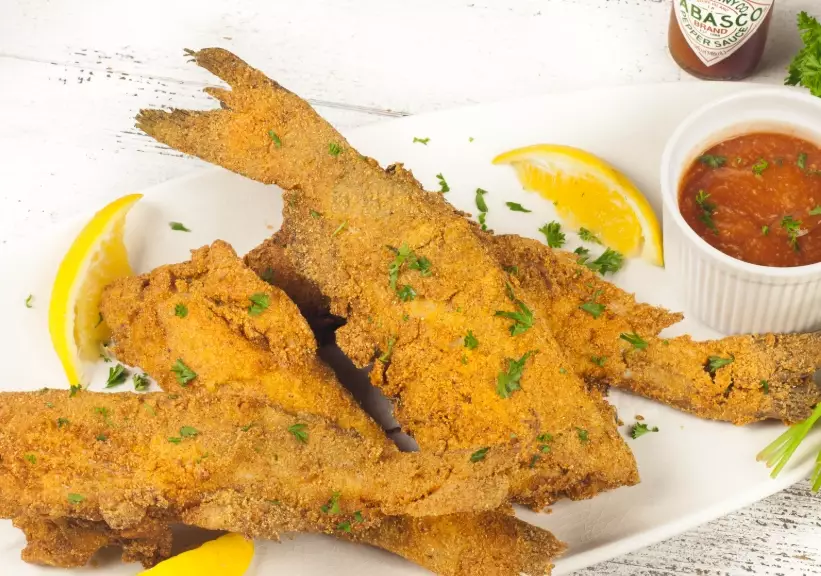
Resist the urge to move them around! Let them form that beautiful crust. You'll know it's ready to flip when the edges look golden and it releases easily from the pan.
Drain on a wire rack set over a paper towel-lined sheet, not just on paper towels alone. This keeps the bottom from steaming and getting soggy. Serve immediately with lemon wedges, tartar sauce, hot sauce, and coleslaw. That first crunchy bite is what it's all about.
The Healthy Workhorse: Baked Catfish
When you want the flavor without the fuss and extra oil, baking is your answer. It's incredibly simple and almost foolproof.
Preheat your oven to 425°F. Take your dried fillets and place them on a baking sheet lined with parchment paper or, better yet, on a wire rack set inside a baking sheet. The rack is a game-changer for airflow. Brush or spray the fillets lightly with oil (olive oil or melted butter). This helps with browning and keeps them from drying out.
Now, season. You can go simple with just salt, pepper, and lemon slices on top. Or create a paste with olive oil, minced garlic, herbs like thyme or dill, and lemon zest. Spread it on. For a crunchy topping without frying, mix Panko breadcrumbs with a little parmesan, melted butter, and herbs, and press it onto the fillets.
Bake for 10-15 minutes. The rule of thumb is about 10 minutes per inch of thickness at the thickest part. The fish is done when it's opaque all the way through and flakes easily with a fork. A digital instant-read thermometer should read 145°F in the thickest part, as recommended by the USDA Food Safety guidelines. Don't overcook it, or it'll become dry and chewy.
This method for how to cook fresh catfish is so versatile. You can throw some cherry tomatoes and asparagus on the same pan for a complete meal.
The Smoky Favorite: Grilled or Blackened Catfish
Fire adds a whole new dimension. For grilling, make sure your grates are clean and well-oiled. Pat your fillets dry and brush them with oil to prevent sticking. Place them on direct, medium-high heat. Grill for 4-6 minutes per side with the lid closed. Don't fiddle. When it releases easily, flip it. If you're nervous, use a fish basket or grill on a soaked cedar plank—it adds flavor and eliminates the stick risk.
Blackening is a specific technique that creates a spicy, charred crust. Coat your oil-brushed fillet heavily in a spice mix of paprika, cayenne, black pepper, thyme, oregano, garlic powder, and onion powder. Heat a cast-iron skillet on the grill or stove top until it's screaming hot—literally smoking. Add a little high-smoke-point oil and immediately place the seasoned fish in the pan. It will smoke a lot (do this outside or with great ventilation!). Cook for 2-3 minutes per side until a dark crust forms. The inside will remain juicy. It's intense and fantastic.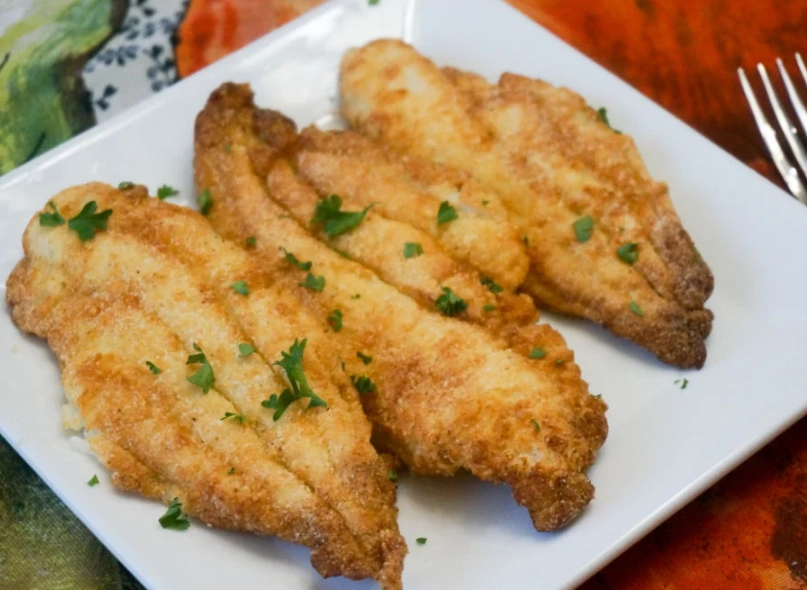
Answering Your Catfish Cooking Questions (FAQ)
I get asked these all the time. Let's clear them up.
Do you have to soak catfish before cooking?
Strictly speaking, no. If you have high-quality, farm-raised catfish, it will taste fine without soaking. But I always do. For me, it's insurance. It tenderizes, it removes any chance of off-flavors, and if you're frying, the buttermilk acts as a glue for the breading. It's a 30-minute step that elevates the whole dish. So no, it's not mandatory, but it's highly, highly recommended.
What's the best oil for frying catfish?
You want an oil with a high smoke point and neutral flavor. Peanut oil is my top choice—it gets super hot and gives a clean taste. Vegetable oil and canola oil are excellent, affordable choices. Avoid olive oil (extra virgin has too low a smoke point) and butter (it will burn).
How can you tell when catfish is fully cooked?
This is crucial. Overcooked catfish is tough. Look for three signs: 1) The flesh turns from translucent to completely opaque white. 2) It flakes easily when gently prodded with a fork. 3) The most reliable method: use an instant-read thermometer. Insert it into the thickest part. The USDA safe internal temperature for fish is 145°F (63°C). At that temp, it's perfectly moist. Pull it off the heat just before, as carryover cooking will add a few degrees.
What are good side dishes for catfish?
It depends on the style! For fried catfish, you need classic, comforting sides to cut the richness: creamy coleslaw, tangy potato salad, collard greens simmered with a bit of smoked meat, hushpuppies (of course!), or simple french fries. For baked or grilled catfish, think lighter: a fresh green salad, roasted vegetables (asparagus, zucchini), cilantro-lime rice, or a fresh tomato and corn salad.
Can you cook catfish from frozen?
You can, but I don't recommend it for most methods. Thawing it first gives you much better control. The best way to thaw is overnight in the fridge. If you're in a pinch, seal the frozen fillets in a plastic bag and submerge them in cold water, changing the water every 30 minutes. Never thaw at room temperature or in hot water, as it can make the texture mushy and encourage bacteria. If you must cook from frozen, baking is your best bet—just add 50% more cooking time, and don't expect a crispy coating.
The Little Things That Make a Big Difference
Here’s a quick-fire list of pro tips that aren't always in the recipe cards:
- Season Early, Season Inside: Don't just season the coating or the outside. Lightly salt the flesh itself after patting it dry and before any soak or coating. It makes a world of difference in flavor penetration.
- Let it Rest: Just like a steak, let your cooked catfish rest for a couple of minutes before serving. This allows the juices to redistribute, so they don't all run out on the plate when you cut in.
- Acid is Your Friend: A final squeeze of lemon or lime juice just before serving brightens all the flavors and cuts through any fat.
- Freshness is Key: This can't be overstated. Seek out the freshest catfish you can find. Look for firm, moist flesh with a pleasant smell. The Monterey Bay Aquarium Seafood Watch is a great resource for choosing sustainably farmed U.S. catfish, which is often the best quality and eco-friendly choice.
I made the mistake of using old paprika once. It had lost all its vibrancy and just tasted dusty. Spices matter! If your spice jars are older than a year, consider replacing them, especially paprika and cayenne.
Wrapping It Up: Your Path to Perfect Catfish
So, there you have it. Learning how to cook fresh catfish isn't about one magic trick. It's a sequence of good decisions: start with a fresh fish, handle it with confidence (or buy good fillets), take the time to soak it, season it well, choose your cooking adventure, and most importantly, don't overcook it.
Whether you're craving the crunchy, nostalgic joy of Southern fried catfish, the easy healthfulness of a baked fillet, or the smoky kiss of the grill, the principles are the same. Respect the ingredient, and it will reward you.
My journey from that first muddy-tasting disaster to now being able to whip up a catfish dinner I'm proud of was just about learning these steps. It's not chef-level difficult; it's home-cook accessible. Give these methods a try. Start with the baked version—it's the least intimidating. Then, when you're ready, heat up that oil and go for the gold with a pan-fried classic.
You've got this. Now go cook some fantastic catfish.