Asian-Style Steamed Fish: The Complete Guide to Perfectly Steamed Fish at Home
Want to make authentic Asian-style steamed fish at home? This ultimate guide covers everything: choosing the right fish, steaming techniques, classic sauces, and expert tips for tender, flavorful results every time.
In This Guide
- Why Steamed Fish? It's More Than Just "Healthy"
- Step One: The Foundation - Choosing Your Fish
- Step Two: Preparation is Everything (Don't Skip This!)
- Step Three: The Art of the Steam
- Step Four: The Sauce & The Finishing Touch
- Common Pitfalls & How to Avoid Them
- Answering Your Questions
- Final Thoughts: Making It Your Own
Let's be honest. The first time I tried to make Asian-style steamed fish at home, it was a bit of a disaster. The fish was overcooked on one end, barely done on the other, and the sauce... well, let's just say it didn't taste anything like what I had at my favorite Cantonese restaurant. It was bland, watery, and frankly, a waste of a good piece of sea bass. That experience stuck with me, and it's why I became a bit obsessed with figuring out how to do it right.
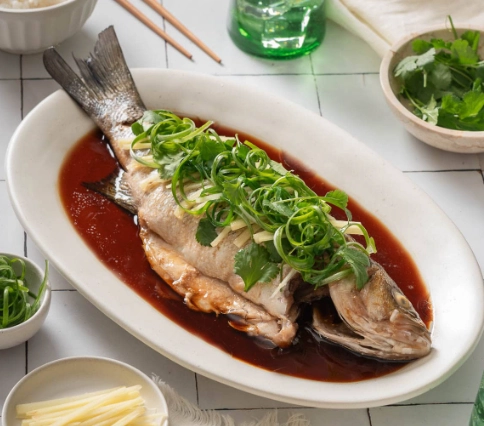
You've probably seen those beautiful pictures online – a whole fish, perfectly steamed, glistening with a savory soy-based sauce, topped with delicate slivers of ginger and spring onions. It looks simple, right? Just steam some fish. How hard can it be? Turns out, there's a whole world of nuance between a dry, flavorless piece of steamed fish and that restaurant-quality, melt-in-your-mouth masterpiece. The good news? It's absolutely achievable in your own kitchen, without any fancy equipment. You don't need a fancy bamboo steamer (though they are nice), and you certainly don't need years of training.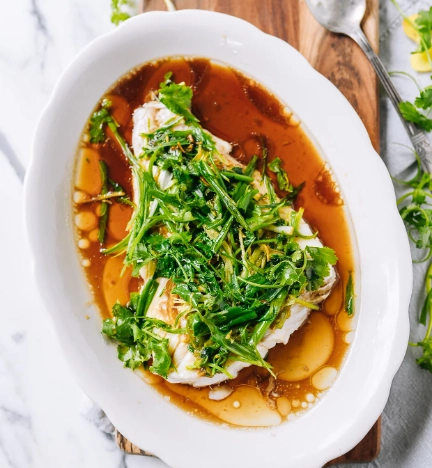
This guide is the result of my years of trial, error, and finally, success. We're going to break down the entire process, from choosing the right fish at the market to plating up a dish that will have your friends and family thinking you've secretly been taking culinary classes. We'll cover the whys and hows, not just the whats. Why do we score the fish? Why is the temperature of the steaming water so crucial? What's the deal with pouring hot oil at the end? By the end of this, you'll have the confidence to make this classic dish a regular in your dinner rotation.
Why Steamed Fish? It's More Than Just "Healthy"
Sure, everyone touts steamed fish as a healthy cooking method. And it is – it uses minimal fat, preserves nutrients, and is generally light. But for me, and for many across East and Southeast Asia, that's not the main attraction. The real draw is the flavor and texture. Steaming, when done correctly, produces the most incredibly tender, moist, and delicate fish flesh. It's a method that honors the fish itself, allowing its natural sweetness to shine through, rather than masking it with heavy sauces or aggressive charring.
Think about it. When you grill or pan-fry, you're adding a layer of flavor from the Maillard reaction (that delicious browning). It's wonderful, but it changes the fish. Steaming is pure. It's about amplifying the fish's own qualities. The accompanying sauces – whether it's the classic ginger-scallion soy or a more pungent Thai lime and chili number – are designed to complement, not overwhelm. This balance is the heart of Asian-style steamed fish. It's a dish of subtlety and precision.
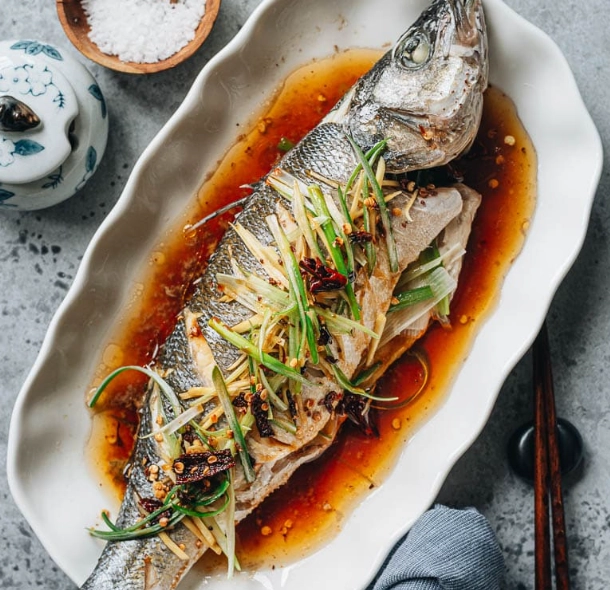
Step One: The Foundation - Choosing Your Fish
This is where most home cooks either nail it or set themselves up for struggle. You cannot make a great Asian-style steamed fish with just any piece of fish. The variety, freshness, and cut are paramount. A common mistake is grabbing whatever white fish fillet is on sale. That might work for fish tacos, but for this dish, it's a gamble.
Top Fish Choices for Steaming (A Practical Ranking)
Based on flavor, texture, availability, and how well they hold up to steaming, here's my personal ranking. Your local fishmonger is your best friend here – ask them what's freshest.
| Fish Type | Why It Works | Texture & Flavor Profile | Best For | Potential Drawback |
|---|---|---|---|---|
| Whole Sea Bass or Branzino | My top pick. The perfect balance of firm yet flaky flesh, mild sweetness, and thin skin that cooks beautifully. | Firm, large flakes, clean, sweet flavor. | The classic restaurant presentation. Ideal for first-timers. | Can be pricier. Size matters – aim for 1.5 lbs. |
| Whole Red Snapper | A close second. Slightly firmer texture than sea bass, with a distinct, robust flavor that stands up to stronger sauces. | Very firm, moist, slightly nutty flavor. | Those who prefer a more "fishy" (in a good way) taste. Great with chili-based sauces. | Bones can be a bit more intricate. |
| Black Cod (Sablefish) | An incredibly luxurious option. It's fatty, rich, and almost buttery when steamed. Melts in your mouth. | Extremely tender, oily, rich, and silky. | A special occasion dish. Pairs amazingly with miso-based glazes. | High fat content means it can feel heavy for some. Expensive. |
| Arctic Char Fillets | A fantastic sustainable alternative to salmon. Less fat than salmon, so it steams cleanly without becoming oily. | Firm, medium flakes, mild flavor with a slight salmon-like richness. | A great fillet option for easy weeknights. Skin-on is best. | Not traditionally "Asian," but the technique works perfectly. |
| Tilapia Fillets | The budget-friendly, widely available option. It's mild and takes on sauce flavors well. | Very mild, somewhat soft texture. | Beginners on a tight budget or feeding a crowd. | Texture can be mushy if even slightly overcooked. Lacks the wow factor of others. |
See that last entry? I have a confession. I'm not the biggest fan of tilapia for this dish. It gets the job done, especially if you're just practicing the technique or need something cheap and easy. But compared to a fresh sea bass, the difference in eating experience is night and day. If you can swing it, invest in one of the top three choices. You'll taste why.
Whole Fish vs. Fillets: The Eternal Debate
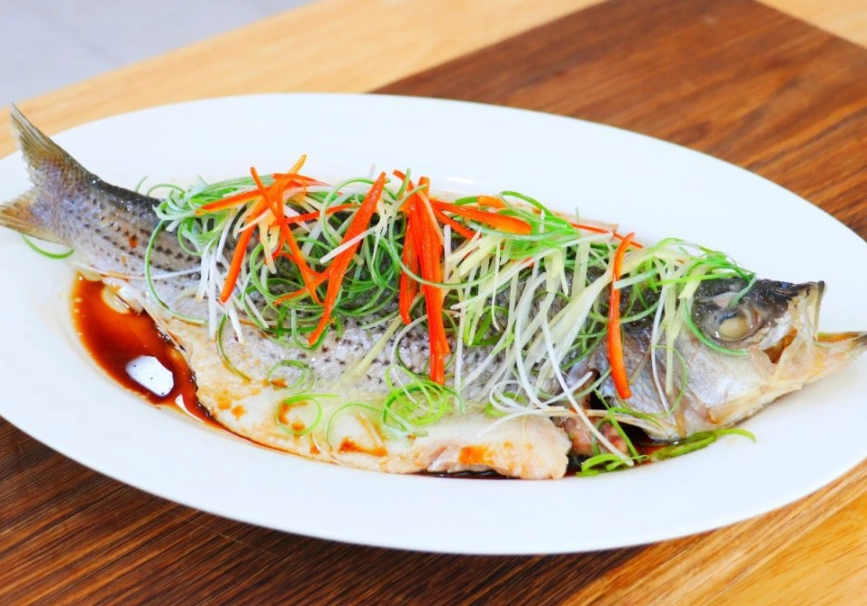
This is a big one. A whole fish, scaled and gutted, is the traditional and, in my opinion, superior vessel for Asian-style steamed fish. Why? The bones and head impart an incredible depth of flavor and moisture during steaming. They act as a natural rack, allowing steam to circulate evenly. The presentation is undeniably impressive.
But I get it. Dealing with a whole fish can be intimidating. The eyes! The bones! If you're uncomfortable, starting with a thick, skin-on fillet (like black cod or arctic char) is a perfectly respectable path. The key is thickness. Avoid thin fillets (like sole or flounder) as they will overcook in seconds. You want something at least an inch thick.
If you do go the whole fish route, have your fishmonger do the heavy lifting. Ask them to scale, gut, and clean it thoroughly. You can even ask them to score the fish (make diagonal slashes down to the bone on each side) which helps it cook evenly and allows the sauce to penetrate. It's a free service most places offer.
Step Two: Preparation is Everything (Don't Skip This!)
Here's where my first failed attempt went wrong. I rinsed the fish and threw it straight in the steamer. Big mistake. Proper prep is non-negotiable for a successful Asian-style steamed fish.
- Clean and Dry Thoroughly: Even if your fishmonger cleaned it, give the cavity a final rinse under cold water. Pat the entire fish bone-dry with paper towels, inside and out. Any surface moisture will dilute your sauce later and create a watery mess on the plate.
- Season the Cavity: Don't just season the outside. Place a few slices of ginger and a couple of spring onion stalks (the white parts, smashed with the back of your knife) inside the belly. This perfumes the fish from the inside out as it steams.
- The Scoring Secret: If your fish isn't scored, do it yourself. Make 3-4 diagonal cuts, about 1/2 inch deep, on each side of the fish. This does three things: it lets heat penetrate to the thick bone quickly for even cooking, it gives the sauce little channels to flow into, and it makes serving easier.
- Elevate the Fish: You must elevate the fish off the plate it will steam on. If it sits directly on the plate, the bottom will stew in its own juices and become soggy. I use two chopsticks laid parallel under the fish. Some people use lemon slices or spring onion stalks. Anything that creates an air gap.
Step Three: The Art of the Steam
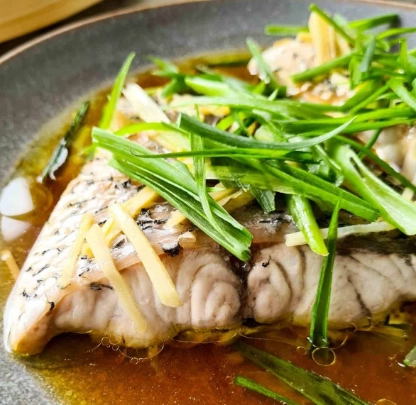
This is the moment of truth. The actual steaming process. It seems passive – just put it over boiling water – but small details make a massive difference.
Equipment: You Have Options
- Bamboo Steamer Set: The classic tool. It's great because bamboo absorbs excess moisture, preventing condensation from dripping onto the fish. It also looks beautiful. If you make Asian food often, it's worth the small investment.
- Metal Steamer Insert: Fits inside a wok or large pot. Works perfectly well. Just make sure the lid fits tightly.
- The Improvised Method (My Weeknight Go-To): Place a heatproof bowl or small ramekin upside down in the bottom of a large pot or deep skillet with a lid. Pour in about an inch of water, making sure it doesn't touch the top of the bowl. Rest your plate with the fish on top of the bowl. Voilà – a makeshift steamer. It works like a charm.
The Golden Rules of Steaming
Rule #2: Do Not Overcrowd. Steam needs to circulate. If your pot is too small, the fish won't cook evenly.
Rule #3: Keep the Heat High. Once the fish is in, keep the heat on medium-high to maintain a vigorous steam. You should see a steady plume of steam escaping from the lid.
Rule #4: Timing is Not a Suggestion. This is the most critical factor for tender fish. As a general rule, for a whole fish around 1.5 lbs, steam for 8-10 minutes. For a thick 1-inch fillet, 6-8 minutes. The best test? Insert a small knife or skewer into the thickest part, near the backbone. If it slides in with no resistance and the flesh looks opaque, it's done. The flesh should also just begin to pull away from the bone. Remember, it will continue to cook a bit from residual heat after it comes out.
Overcooking is the death of steamed fish. It turns from tender and juicy to dry and rubbery in a matter of minutes. I set a timer and I don't peek unnecessarily, as letting the steam escape adds cooking time.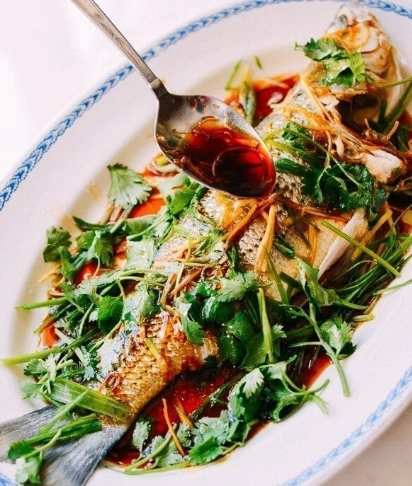
Step Four: The Sauce & The Finishing Touch
Here's where the flavor explodes. While the fish is steaming, you have just enough time to prepare the sauce and aromatics. This is not an afterthought; it's the co-star of the dish.
Classic Ginger-Scallion Soy Sauce (The Gold Standard)
This is the quintessential pairing for Asian-style steamed fish. The proportions are forgiving, but here's my base:
- 3 tablespoons light soy sauce (not dark soy sauce – it's too strong and salty for this)
- 1 tablespoon water or fish stock (to dilute slightly)
- 1 teaspoon sugar (balances the saltiness, trust me)
- 1 tablespoon Shaoxing wine or dry sherry (optional but highly recommended)
Mix these in a small bowl. In a separate pile, have ready a large handful of very finely julienned ginger and a bunch of spring onions (green parts only), cut into fine 2-inch long strands.
When the fish comes out of the steamer, carefully pour off any accumulated liquid on the plate (this can be watery and dilute your good sauce). Then, neatly drape the ginger and spring onions over the top of the hot fish.
The sound, the smell, it's pure kitchen theater. And it transforms the dish from simply steamed to something sublime.
Other Incredible Sauce Variations
The classic is classic for a reason, but don't be afraid to explore. The steaming technique remains the same; only the finale changes.
- Thai Lime & Chili: Replace the soy sauce with a mix of fish sauce, lime juice, sugar, water, and lots of thinly sliced bird's eye chilies and garlic. Pour this over after the hot oil. Bright, pungent, and addictive.
- Black Bean & Garlic: Sauté a tablespoon of fermented black beans (rinsed and roughly chopped), 2 cloves minced garlic, and a bit of ginger. Add a splash of soy sauce, sugar, and water to make a pungent, savory paste. Spread this over the fish before steaming, then finish with hot oil and fresh scallions.
- Miso Glaze (for Black Cod): Whisk together white miso paste, mirin, sake, and a little sugar. Marinate the fish in this for 30 minutes before steaming. Wipe off excess marinade, steam, then finish simply with a drizzle of the reduced marinade and sliced scallion.
Common Pitfalls & How to Avoid Them
Let's troubleshoot based on my own (many) mistakes and common questions I get.
The fish is dry and overcooked. You steamed it too long. It happens to everyone. Use a timer and check a minute before you think it's done. Remember, residual heat is real.
The plate is full of watery liquid. You didn't pat the fish dry enough before steaming, or you didn't pour off the accumulated steaming juices before adding your sauce. Dry the fish thoroughly and always discard that plate liquid.
The sauce is too salty. You likely used dark soy sauce or didn't dilute your light soy sauce with a bit of water/stock. The sugar also helps balance. Taste your sauce mix before you pour it.
No satisfying sizzle with the oil. Your oil wasn't hot enough. It needs to be visibly shimmering and smoking. Heat it in a small pan until you see wisps of smoke, then immediately pour.
Answering Your Questions (The FAQ Section)
Final Thoughts: Making It Your Own
The journey to mastering Asian-style steamed fish is one of practice and subtle adjustments. Don't be discouraged if your first attempt isn't perfect. Mine certainly wasn't. Pay attention to the texture of the fish when it's done perfectly – that silky, just-set tenderness is what you're aiming for every time.
The beauty of this dish is its framework. Once you have the steaming technique down – the dry fish, the fierce steam, the precise timing – you can play with the flavors. Try different aromatics (lemongrass in the cavity?), different oils (a touch of sesame oil added to the hot vegetable oil?), different sauces.
That, for me, is the mark of a great dish. It's why I keep coming back to it. It's healthy, yes. But more importantly, it's honest, delicious, and never fails to impress. It connects you to a vast culinary tradition with just a pot, a plate, and a little bit of attention to detail. So go to your fish market, pick the freshest fish you can find, and give it a try. Listen for that sizzle. You'll know you've got it right.