How to Fish for Beginners: The Complete Step-by-Step Guide
Ever wondered how do you fish for beginners? This ultimate guide walks you through everything from choosing your first rod to landing your first catch, with clear steps, essential gear lists, and pro tips to build confidence by the water.
Quick Navigation
- Getting Your Head in the Game (The Mindset)
- The Beginner's Fishing Kit: What You Actually Need
- Where to Go: Finding Your First Fishing Spot
- The Step-by-Step: Your First Fishing Trip, From Setup to Pack-Up
- Safety & Etiquette: The Unwritten Rules
- Common Beginner Hurdles & How to Beat Them
- What's Next? Leveling Up After the Basics
So you want to learn how to fish. That's awesome. Seriously. You're about to step into a hobby that's equal parts relaxing and thrilling, frustrating and rewarding. But I get it. Standing in the sporting goods aisle staring at a wall of rods, reels, and weird-looking hooks is enough to make anyone turn around and go home. The whole process of how do you fish for beginners can feel shrouded in mystery, like there's some secret handshake all anglers know that you don't.
Let me tell you a secret: there isn't. Fishing is simple at its core. It's about presenting a bit of food (real or fake) to a fish and convincing it to bite. The complexity comes from the millions of ways you can do that. But for your first time? We're going to strip it all back to the absolute essentials. This isn't about becoming an expert on day one. This is about getting you to the water with functional gear, basic know-how, and the confidence to not look like a complete goofball. We'll answer that core question, "How do you fish for beginners?" by breaking it down into manageable, bite-sized pieces (pun intended).
I remember my first real fishing trip. I was about ten, with a hand-me-down rod that was too long for me, a rusty hook, and a worm I was terrified to touch. I spent most of the afternoon tangled in weeds. But then, a tiny bluegill nibbled. That little tug on the line? Magic. Pure magic. That's the feeling we're after. Let's make sure your first experience has more of that magic and less of the frustration.
Getting Your Head in the Game (The Mindset)
Before we touch a single piece of gear, let's talk about the most important tool: your expectations. If you go out thinking you're going to haul in a trophy bass on your first cast, you're setting yourself up for disappointment. Fishing involves patience. Lots of it. There will be times when nothing bites. You might get snagged. You might tie a knot that looks like a bird's nest.
That's all normal. It's part of the process. Think of your first few trips as scouting missions. Your goal isn't to fill a cooler; it's to learn. Watch the water. Feel how the rod loads when you cast. Learn how to tie one knot really well. Celebrate the small wins. Untangling a snag without breaking your line is a win. Making a decent cast is a win. Feeling a nibble, even if you don't land the fish, is a huge win. This mindset shift is the first, and most crucial, step in learning how to fish for beginners.
The Beginner's Fishing Kit: What You Actually Need
Here's where most guides overwhelm you. You don't need a $500 rod, a tackle box the size of a suitcase, or 50 different lures. For your first trip, you need a simple, functional setup. You can always add more later. I'm a big fan of starting simple. A complex setup just gives you more things that can go wrong.
| Gear Item | Beginner Recommendation & Why | Budget-Friendly Notes |
|---|---|---|
| Fishing Rod & Reel Combo | A 6 to 7-foot medium-power spinning combo. "Spinning" means the reel hangs below the rod. It's the most forgiving and easiest to learn. "Medium power" means it can handle a decent range of fish sizes. These are often sold as a matched set, which is perfect. | Many big-box stores (like Walmart or Dick's) have perfectly fine beginner combos from brands like Zebco or Shakespeare for under $40. Don't overthink it. |
| Fishing Line | The combo will likely come with line pre-spooled, which is fine to start. If you need to buy some, get 8 to 10-pound test monofilament line. It's cheap, strong enough, and easy to handle. | A 200-yard spool of monofilament costs about $5. Berkley Trilene is a classic, trusted brand. |
| Hooks | Size 6 or 8 "Baitholder" hooks. These have little barbs on the shank to keep live bait from sliding off. They're small enough for panfish but can handle a small bass. Get a pack of 10. | Extremely cheap. A pack is a couple of dollars. Eagle Claw is a standard. |
| Sinkers (Weights) | A couple of split shot sinkers. These are little round weights with a groove; you pinch them onto your line. They get your bait down in the water. | You can buy a whole assortment for a few bucks. Start with the smaller sizes. |
| Floats (Bobbers) | A round, red-and-white plastic bobber. This is your bite indicator. It sits on the water; when a fish takes your bait, it jiggles or goes under. Classic for a reason. | Maybe $1 each. Get one or two in case you lose one. |
| Bait | Live worms (nightcrawlers). The universal beginner bait. Fish love them. They're easy to find at gas stations or bait shops. Alternatively, canned corn or simple dough bait for panfish. | A container of worms is about $4. Canned corn is even cheaper. |
| Extras (The "Nice-to-Haves") | Needle-nose pliers (to remove hooks), a small tackle box or bag, sunscreen, bug spray, and a hat. Don't forget a fishing license—it's required and funds conservation! | Check your state's Fish & Wildlife website for license info. For example, the U.S. Fish & Wildlife Service has general info, but you buy from your state. |
See? Not so bad. That's your core kit. You can fit all of that (except the rod) in a small bag. This setup is specifically designed to answer the practical side of how do you fish for beginners. It's simple, effective, and focuses on the most likely-to-succeed method: fishing with bait under a bobber.
You don't need the fanciest gear. You just need gear that works.
Where to Go: Finding Your First Fishing Spot
This is arguably more important than your gear choice. A great spot with lots of hungry, easy-to-catch fish will make your day. A tough spot will leave you skunked and discouraged.
As a beginner, avoid big, intimidating bodies of water like vast lakes or fast rivers. You want small, accessible, and forgiving.
Top Beginner-Friendly Fishing Locations
- Local Ponds & Small Lakes: Often in city parks or communities. They're usually stocked with fish like bluegill, sunfish, catfish, and bass. The fish are accustomed to people, the banks are clear, and it's easy to find a spot. This is the #1 recommendation for learning how to start fishing.
- Public Fishing Piers or Docks: These get you out over deeper water without needing a boat. They're social, you can see what others are doing, and they're built for fishing. Check out resources from Take Me Fishing, which has a great "Places to Fish & Boat" map to find local piers.
- Slow-Moving Streams or Canals: Look for wide, calm sections. Fish often hang out near overhanging branches, rocks, or where current slows down (like behind a large rock).
How do you know if a spot is good? Look for signs of life. Do you see small fish near the shore? Are insects buzzing over the water? Are there other anglers there (a good sign it's productive)? Don't be shy to ask a friendly-looking angler, "Having any luck?" or "What's biting?" Most are happy to give a tip to a beginner.
The Step-by-Step: Your First Fishing Trip, From Setup to Pack-Up
Alright. You have your gear. You've found a nice pond. Let's walk through the actual process, step by step. This is the heart of how do you fish for beginners.
Step 1: Rigging Up (Putting It All Together)
Take your rod. The reel should be below the rod handle. Pull about 18 inches of line from the reel. Now, thread the line through all the little guide rings on the rod, starting from the one closest to the reel and working out to the very tip. Don't skip any.
Now, tie on your hook. The only knot you need to know for day one is the Improved Clinch Knot. It's simple and strong. You can find a quick video tutorial anywhere online, like on the Animated Knots website. Practice it a few times at home on a pencil. Seriously, it helps.
Step 2: Adding the Bobber and Weight
Slide your bobber onto the main line. Now, pinch one small split-shot weight onto the line about 8-12 inches above your hook. This weight will be just enough to pull the bait down but not so much that it pulls the bobber under. The distance between the hook and the bobber determines how deep your bait hangs. Start with your hook about 1.5 to 2 feet below the bobber.
Step 3: Baiting the Hook
Take your worm. Pierce the hook through the middle of the worm, then slide it up the hook's shank until the worm is covering the hook, with the point and barb exposed. Sounds cruel, but it's the most effective way. For dough bait or corn, just mold a small piece onto the hook, covering the point. The goal is to hide the hook but keep it sharp and ready to set.
Step 4: The Cast (Don't Flick, Lob)
This is where people get nervous. It's not a whip-crack action. Think of it as a gentle lob. Hold the rod with your dominant hand. Use your other hand to flip the "bail" on the reel (the wire arm that flips over) to open it. Hold the line against the rod with your index finger. Point the rod tip toward your target. In one smooth motion, bring the rod tip back to about 2 o'clock, then smoothly swing it forward to 10 o'clock, releasing your finger from the line as you do. The weight of the bobber and sinker will pull the line out. Let the bait land gently on the water. Flip the bail back over.
Your first cast will probably be terrible. Mine was. It's okay.
Step 5: Waiting and Watching
Set the rod down on the ground or a rod holder. Reel in just enough slack so the line is slightly taut from the rod tip to the bobber. Now, watch the bobber. Your job is to be a bobber-watcher. Look for any movement: a little twitch, a sideways skate, or the classic—it disappears under the water.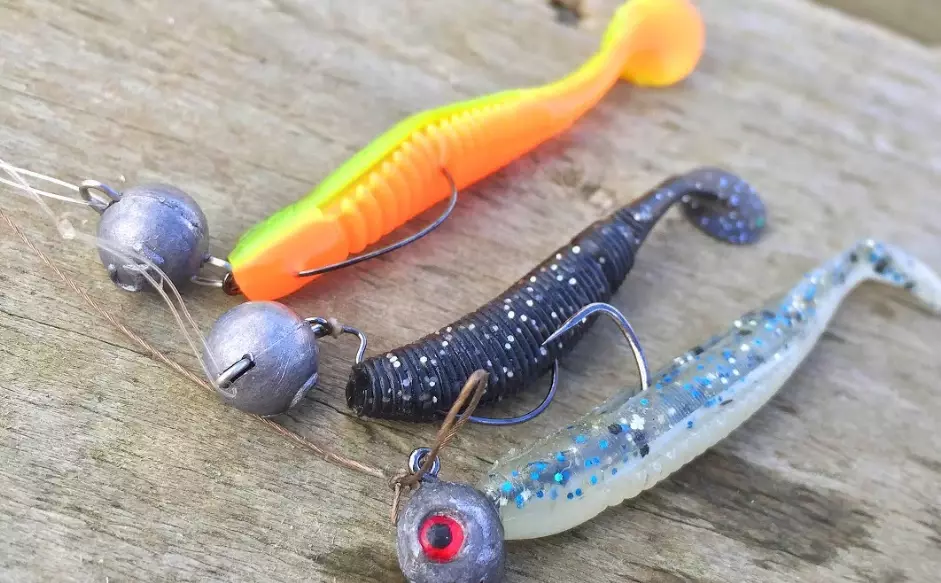
Step 6: The Hook Set (When to Jerk)
This is the moment. If the bobber goes under and STAYS under, that's your signal. Don't yank like you're trying to pull the fish into orbit. Quickly and firmly lift the rod tip up and back to about 11 o'clock. This drives the hook point into the fish's mouth. You'll feel resistance. That's a fish!
Step 7: Reeling It In
Keep the rod tip up. Now, steadily turn the reel handle to bring the fish in. If it's a small fish, it'll come right in. If it feels heavy and fights, let it run a little if it wants to. Keep steady pressure. Don't let the line go completely slack. Use the rod's flexibility to tire the fish out.
Step 8: Landing the Fish & Handling
For small fish (like bluegill), you can simply lift them out of the water by the line, gripping the rod firmly. For anything slightly bigger, wet your hands first (protects the fish's slime coat) and gently grasp the fish behind its gills and under its belly. Use your needle-nose pliers to gently grasp the hook and twist it out. If it's deep, it's sometimes easier to cut the line as close to the hook as possible—the hook will often rust out quickly. It's better for the fish than digging around.
Step 9: To Keep or Release?
Know the fishing regulations for your area (size limits, bag limits). If you're keeping it to eat, dispatch it humanely and quickly. If you're releasing it, support its body in the water until it swims away strongly. The goal of learning fishing for beginners is often just the catch, not the harvest. Catch-and-release is a great practice.
Safety & Etiquette: The Unwritten Rules
Fishing is safe, but be smart. Wear a life jacket if you're on a boat or a slippery bank. Watch for overhead power lines when casting—graphite rods can conduct electricity. Wear sunglasses ("polarized" are best) not just for sun, but to protect your eyes from errant hooks.
As for etiquette: give other anglers plenty of space. Don't cast over someone else's line. If you see trash, pick it up even if it's not yours. We all share the water. This stuff matters more than any trick.
Common Beginner Hurdles & How to Beat Them
What's Next? Leveling Up After the Basics
Once you've caught a few fish with the bobber and worm, you'll naturally get curious. What are those people with the fancy lures doing? That's the fun part—the rabbit hole goes deep. You can explore:
- Artificial Lures: Spinners, soft plastics, crankbaits. They mimic injured baitfish and can be incredibly effective for predators like bass.
- Different Techniques: "Bottom fishing" for catfish with heavier weights. "Fly fishing" (a whole beautiful world of its own).
- Species Targeting: Learning the habits of specific fish you want to catch.
But all of that starts with mastering the fundamentals we just covered. Every expert angler started right where you are, asking the same simple question: How do you fish for beginners?
The best advice I can give you is just to go. Pick a nice afternoon, get that simple kit, and head to a local pond. Sit on the bank. Watch the bobber. Enjoy being outside. If you catch a fish, it's a bonus. The real catch is the experience itself—the peace, the focus, the connection to a very old and simple rhythm. That's what keeps us coming back.
So what are you waiting for? Your first tug on the line is out there.