Beginner Fishing Techniques: Complete Guide to Catch Your First Fish
Want to start fishing but don't know how? This complete guide covers essential beginner fishing techniques, from gear to casting, ensuring your first catch is a success.
Quick Guide
- Gearing Up: Your First Fishing Kit (Without Breaking the Bank)
- Where and When to Fish: Finding Your Spot
- Basic Fishing Techniques for Beginners: Let's Get Catching
- Common Beginner Mistakes and How to Avoid Them
- Advanced Beginner Tips: Moving Beyond the Basics
- Your Questions Answered (The Stuff You're Secretly Wondering)
So, you've decided to give fishing a try. Awesome choice. Let's be real, the idea is simple—throw a line in the water and catch a fish. But then you walk into a tackle shop or go online, and suddenly you're drowning in choices. Rods, reels, lines, hooks, baits, lures... it's enough to make anyone's head spin. I remember my first time. I bought the cheapest combo I could find, tied on a hook I found in my grandpa's old box, and spent four hours catching absolutely nothing but a sunburn. Not my finest moment.
That's why we're here. This isn't about becoming an expert overnight. It's about getting you from "clueless" to "catching" as smoothly as possible. We'll skip the overwhelming jargon and focus on the fishing techniques for beginners that actually work. No fluff, just the stuff you need to know to feel that first tug on your line.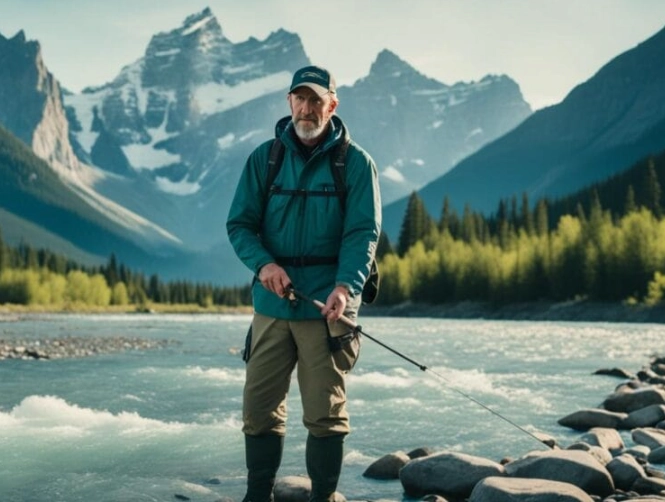
Gearing Up: Your First Fishing Kit (Without Breaking the Bank)
You don't need a $500 setup to catch fish. In fact, a simple, reliable kit is often better for learning. I'm not a fan of the fancy, expensive beginner kits with 100 pieces of plastic junk you'll never use. Let's build a smart starter kit.
The Rod and Reel Combo: Your Main Tool
For 90% of beginners, a medium-power, fast-action spinning rod paired with a size 2500 or 3000 spinning reel is the golden ticket. Why?
- Medium Power: It's strong enough to handle a decent-sized fish but has enough flex to make the fight fun and help keep the fish hooked.
- Fast Action: This means the rod bends mostly in the top third. It gives you better sensitivity to feel bites and more power to set the hook.
- Spinning Reel: It's the easiest type of reel to use. No backlash, less tangling. Just open the bail, cast, and close the bail. Simple.
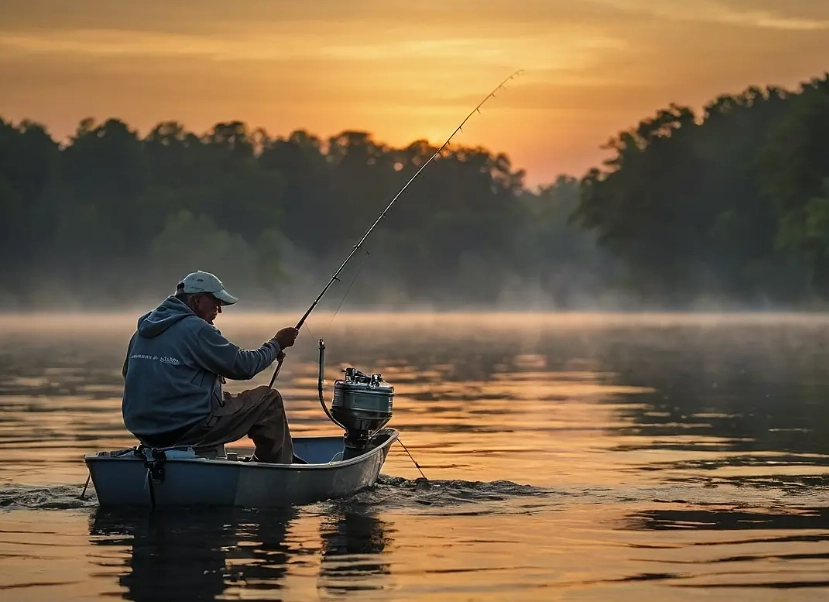
Trust me, start here.
Line, Hooks, and Weights: The Invisible Essentials
This is where many first-timers mess up. They get a great rod and reel and spool it with old, brittle line.
For hooks, don't overcomplicate it. A pack of size 6 or 8 bait-holder hooks (they have little barbs to keep worms on) and a pack of 1/0 or 2/0 circle hooks (they set themselves in the fish's mouth corner, causing less harm) will cover you. For weights, a variety pack of split shot sinkers and a few egg sinkers (½ oz to 1 oz) is perfect.
Terminal Tackle: The Connectors
You'll need a few small barrel swivels (size 10) to prevent line twist, and some sliding sinker rigs are fantastic for beginner bottom fishing. They're simple, effective, and let the fish run with the bait without feeling the weight.
Where and When to Fish: Finding Your Spot
You can have the best gear and perfect technique, but if you're not where the fish are, you're just practicing your casting. This is a huge part of successful beginner fishing techniques.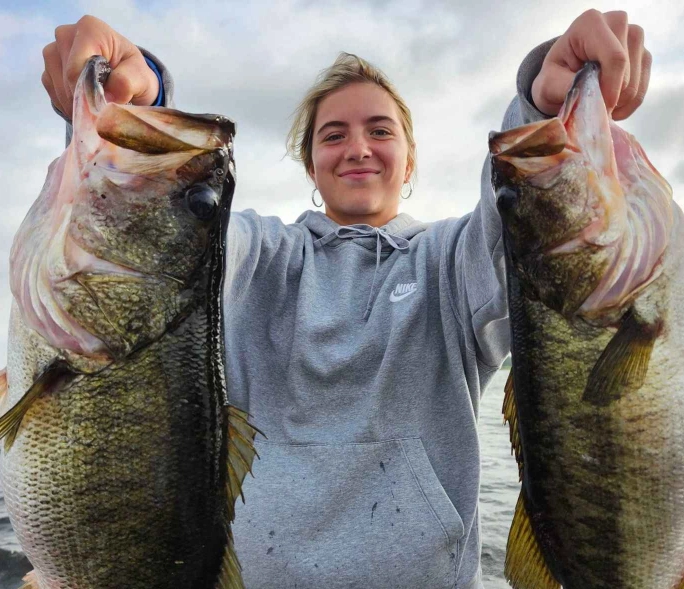
Reading the Water: Fish Aren't Random
Fish look for three things: food, oxygen, and cover/protection. Look for:
- Structure: Docks, fallen trees (we call them "laydowns"), weed beds, rock piles. Fish hide here to ambush prey.
- Changes in Depth: Drop-offs, points of land extending into the water. Fish cruise these edges.
- Current Breaks: Behind a big rock in a river, the inside of a bend. Fish rest here out of the main flow.
My personal rule? If it looks "fishy" to you—like a good hiding spot—it probably is. Start by casting near cover.
The Best Times to Go
Dawn and dusk. Seriously, it's not a myth. Low light makes fish feel safer to venture into shallow water to feed. The hour after sunrise and the hour before sunset are often called the "magic hours." Overcast days can be good all day. Bright, sunny, midday? That's tougher. Fish go deeper or into heavy cover. But don't let that stop you if it's your only free time! You can still catch them, you just might have to adjust your fishing techniques for beginners.
Basic Fishing Techniques for Beginners: Let's Get Catching
Okay, gear is ready, you found a spot. Now what? Let's dive into the core fishing techniques for beginners. We'll start with the absolute simplest and work up.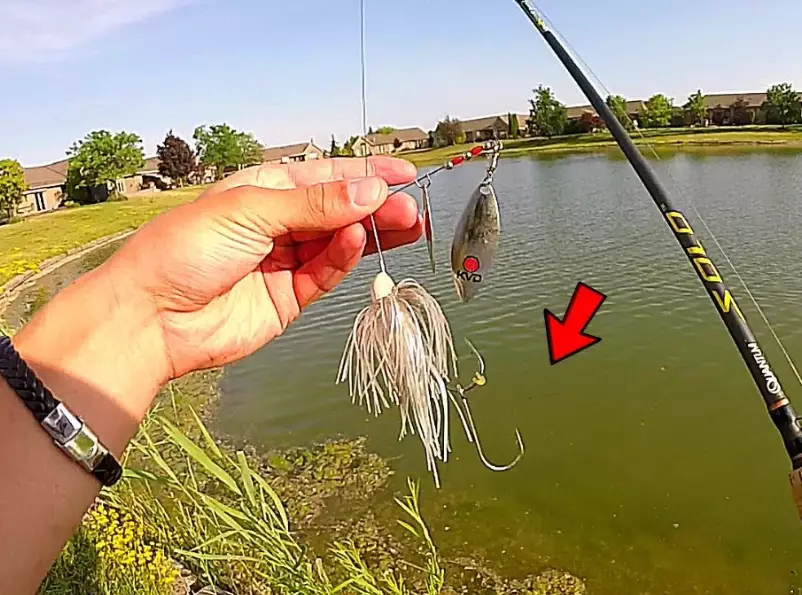
Still Fishing (The Sit-and-Wait)
This is the classic. It's passive, relaxing, and deadly effective for panfish (like bluegill, sunfish, crappie), catfish, and more. You're just letting your baited hook sit on or near the bottom.
How to do it: Rig up with a simple bottom rig. Thread an egg sinker onto your main line, then tie on a barrel swivel. To the other end of the swivel, tie a 12-24 inch leader line (lighter line than your main, like 6 lb test), and tie your hook to the end of that. Bait up with a worm, put a small split shot about 10 inches above the hook if you need a bit more weight, cast it out, set your rod down, and wait. Keep the line slightly slack. Watch the rod tip—when it starts twitching or slowly bends over, a fish is probably mouthing your bait. Wait for a solid pull, then lift the rod firmly to set the hook.
Patience is key here. It's called fishing, not catching.
Spin Casting and Retrieving (The Active Search)
This is where you start moving your lure to imitate a swimming creature. It's more active and can cover more water.
The Basic Cast: It's a fluid motion, not a jerk. Hold the rod with your dominant hand, hook the line with your index finger, open the reel's bail with your other hand. Bring the rod tip back over your shoulder, then smoothly accelerate forward, releasing your index finger as the rod points toward your target. Practice in your backyard with just a sinker on the line (no hook!).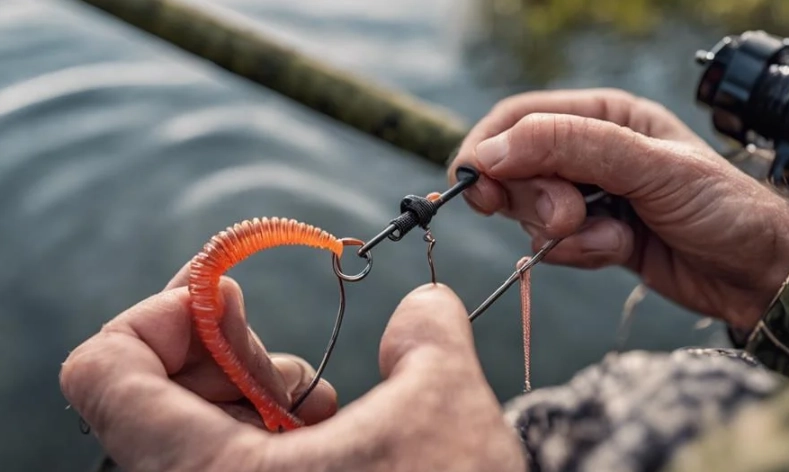
Beginner-Friendly Lures:
- Inline Spinners (like Mepps or Rooster Tail): Cast, reel steadily. The blade spins and flashes, attracting fish. Simple.
- Small Crankbaits: Cast, reel. They wobble and dive to a certain depth. A great search lure.
- Soft Plastic Grubs on a Jig Head: The ultimate beginner lure. Cast it out, let it sink, then use your rod tip to give it little hops off the bottom as you reel slowly. Fish hit it on the fall all the time.
Bobber Fishing (The Visual Thrill)
This is one of the best fishing techniques for beginners because you get to see the bite happen. It's fantastic for teaching timing and is super effective for fish feeding off the bottom or suspended in the water column.
Attach a bobber (float) to your line, then put a small split shot weight about 8-12 inches below it, and then tie on your hook another 6-12 inches below that. Adjust the depth so your bait hangs just above where you think the fish are. Cast out. When that bobber jiggles, then darts underwater, that's your cue! Wait for it to go fully under, then set the hook. It's incredibly satisfying.
But what if you're fishing in a pond? The basic principles are the same, but maybe you use a smaller bobber and a lighter hook. The fishing techniques for beginners are adaptable.
Common Beginner Mistakes and How to Avoid Them
We all make them. Let's learn from my (and everyone else's) early errors so you can skip the frustration.
| Mistake | Why It's a Problem | The Simple Fix |
|---|---|---|
| Setting the Hook Too Hard | You'll rip the hook right out of the fish's mouth or snap your light line. It's a gentle lift, not a baseball swing. | When you feel weight or see the bite, just a firm, swift upward motion of the rod from 9 o'clock to 12 o'clock is enough. |
| Reeling with the Drag Screaming | The drag on your reel is a safety clutch. If it's locked down tight, a strong fish will break your line. | Set your drag so you can pull line off the spool with a firm, steady pull. It should give line under heavy pressure. |
| Using Dull or Rusty Hooks | A dull hook won't penetrate easily, leading to missed fish. It's also worse for the fish. | Run the hook point lightly across your thumbnail. If it doesn't dig in and skate, sharpen it with a small file or replace it. Hooks are cheap. |
| Being Too Noisy and Visible | Fish feel vibrations through the water and are wary of shadows. Stomping on the bank and standing in silhouette will shut down the bite. | Move slowly and deliberately. Wear neutral-colored clothing. Try to keep your shadow off the water you're fishing. |
| Giving Up on a Spot Too Quickly | Fish move. If you cast five times and leave, you might miss the school that swims through ten minutes later. | Work an area thoroughly with different retrieves and depths. Give a good spot at least 20-30 minutes of focused effort. |
See? Most are easy fixes. The biggest one is probably the hook set. I can't tell you how many fish I lost early on because I tried to launch them into orbit.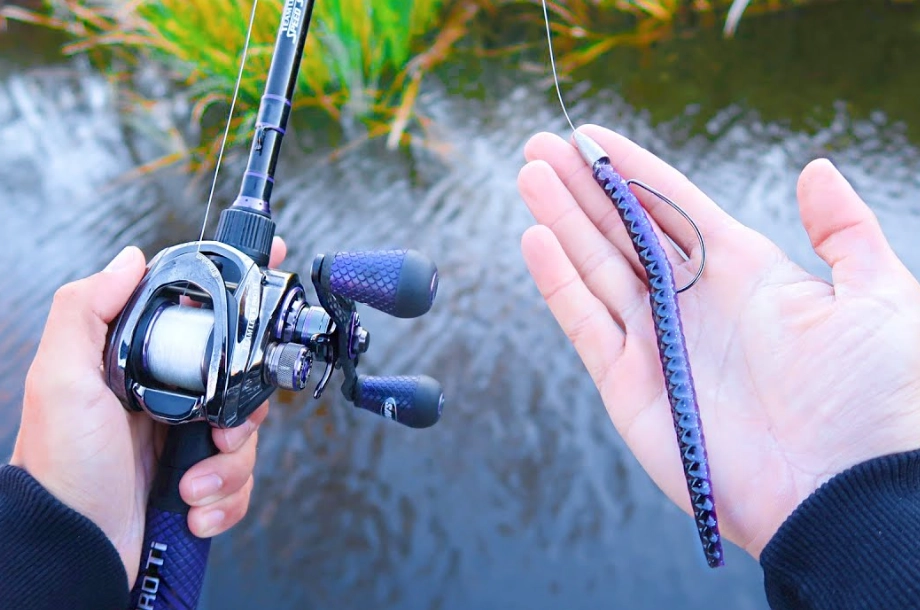
Advanced Beginner Tips: Moving Beyond the Basics
Once you've caught a few fish with the basic fishing techniques for beginners, you might want to refine your game. Here are some next-level concepts that aren't as hard as they sound.
Knots You Actually Need to Know
Forget the 20 knots the pros use. Master these two, and you're set for 95% of fishing situations.
Understanding Basic Fish Behavior by Species
Different fish act differently. Tailoring your approach slightly can make a big difference.
- Largemouth Bass: Love cover. Cast right next to that dock piling or log. They are ambush predators.
- Panfish (Bluegill, Sunfish): Often schooled up. If you catch one, there are probably more. They love worms under a bobber near weed lines.
- Catfish: Primarily bottom feeders with an amazing sense of smell. Stinky baits like chicken liver, cut bait, or prepared "stink bait" work wonders, especially at night.
- Trout (in stocked ponds/lakes): Can be finicky. Small spinners, worms, or PowerBait eggs fished on the bottom near inflow areas are classic.
For a fantastic, in-depth resource on species, habitats, and responsible practices, the recreational fishing hub Take Me Fishing has loads of easy-to-digest guides that are perfect for newcomers.
Your Questions Answered (The Stuff You're Secretly Wondering)
Look, the goal today wasn't to make you a tournament angler. It was to get you confident enough to go out, try these beginner fishing techniques, and have a real shot at success. You will have days where you catch nothing. Everyone does. But you'll also have that one day—maybe your first, maybe your fifth—where everything clicks. You'll feel that tug, set the hook just right, and bring in your fish. The grin on your face will be all the proof you need that you're now officially a fisherman. Now go get your line wet.