Master Bass Fishing Techniques: The Ultimate Guide for Anglers
Want to consistently catch more bass? This ultimate guide breaks down essential bass fishing techniques, from lure selection and seasonal strategies to advanced tactics for largemouth and smallmouth bass. Learn the secrets to locating fish, perfecting your retrieve, and turning a slow day into a success story.
Quick Guide
Let's be honest. You can read a hundred articles on bass fishing techniques and still come back from the lake empty-handed. I've been there. You see folks hauling in fish left and right, while you're just... casting. It's frustrating. The problem isn't a lack of information—it's an overload of conflicting, overly complicated advice that forgets what fishing is really about.
This guide is different. We're cutting through the noise. We won't just list lures; we'll talk about when, why, and how to use them based on what the bass are actually doing. Think of this as a conversation with a friend who's made all the mistakes so you don't have to. We'll cover everything from the absolute basics (yes, your knot matters) to the nuanced tricks that can turn a slow day around. The goal isn't to memorize facts, but to understand the fish. Because when you understand why a bass strikes, all the techniques start to make sense.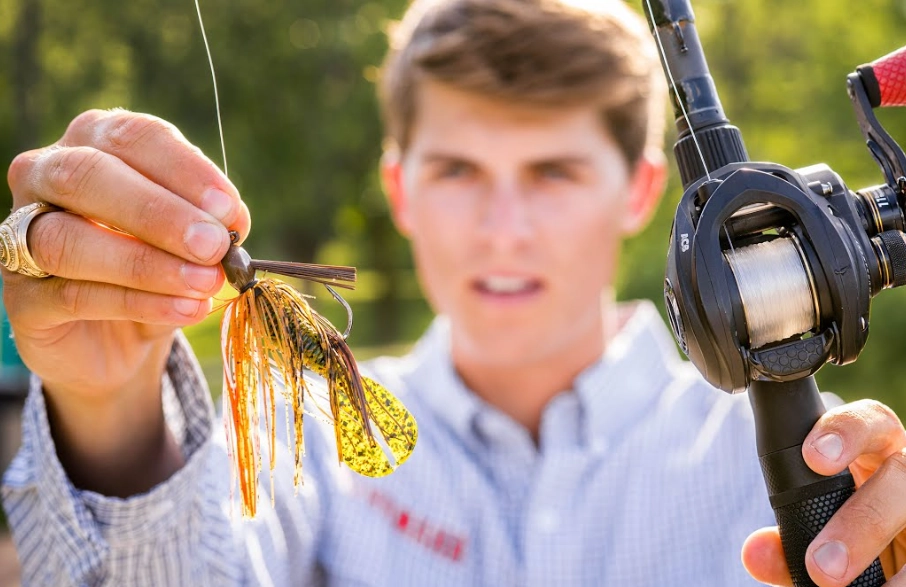
Gearing Up: You Don't Need Everything (Seriously)
Before we dive into the active bass fishing techniques, let's talk tools. The fishing industry wants you to buy everything. Resist. A focused, versatile setup will catch more fish than a boat full of random gear you don't know how to use.
The Rod, Reel, and Line Trinity
This is your foundation. Get this wrong, and even the best bass fishing techniques will feel clumsy.
- Rod Power and Action: Medium-heavy power with a fast action is the Swiss Army knife for bass. It has enough backbone to set a hook and pull fish from cover, but a sensitive tip to feel subtle bites. For finesse techniques with lighter lures, a medium-power, fast-action rod is perfect.
- Reel: A baitcasting reel offers superior accuracy and power for heavier lures and techniques like flipping and pitching. A spinning reel is more forgiving for beginners and excels with lighter finesse tackle. Don't cheap out here—a smooth drag is non-negotiable when a big bass runs.
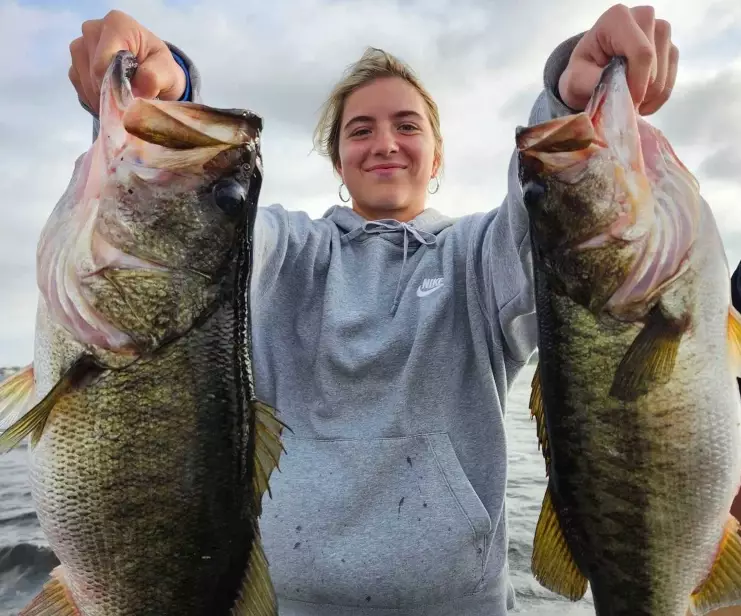
- Fishing Line: This is where many anglers sabotage themselves. The line is your only connection to the fish. Each type has a purpose.
| Line Type | Best For These Bass Fishing Techniques | Biggest Downside | My Personal Take |
|---|---|---|---|
| Fluorocarbon | Jigs, worms, crankbaits (deep divers). Its near-invisibility underwater and low stretch are killer. | Can be stiff and have memory on the spool. | My go-to leader material. I rarely use straight fluoro for casting because it can be a pain to manage. |
| Braided Line | Flipping heavy cover, topwater frogs, punching mats. Zero stretch means instant hook sets. | Highly visible. Can saw into rod guides if poor quality. | Essential for jungle-like cover. I run 40-65 lb braid as my main line when I'm in the slop. |
| Monofilament | Topwater poppers, walking baits, beginner setups. Its stretch acts as a shock absorber. | Degrades in sunlight, has lots of stretch (can be good or bad). |
See? It's about matching the tool to the job. Throwing a topwater frog on fluorocarbon is a great way to miss fish because the line sinks and pulls your bait down. Using braid on a deep-diving crankbait can rip the treble hooks right out of a fish's mouth. Think it through.
The Lure Arsenal: A Minimalist's Guide
You could own 500 lures. You need about 10. Here’s the breakdown by category, based on what bass are most likely to eat and where you'll find them.
Topwater (The Most Fun Bass Fishing Technique)
Nothing beats the explosion of a bass hitting a topwater. It's a visual, heart-stopping strike. But it's not just for dawn and dusk anymore.
- Whopper Plopper/Walking Baits: Cast parallel to shorelines, over points, near grass lines. A steady, rhythmic retrieve often works better than frantic jerking. The key is the sound and the wake.
- Frogs: This is a power fishing technique for thick cover—lily pads, matted grass, flooded timber. You need heavy braid and a stout rod. The trick? Don't set the hook on the blow-up. Wait one full second until you feel the weight of the fish, then hammer it.
Moving Baits: Covering Water to Find Active Fish
When you don't know where the bass are, or you suspect they're actively feeding, these are your search baits.
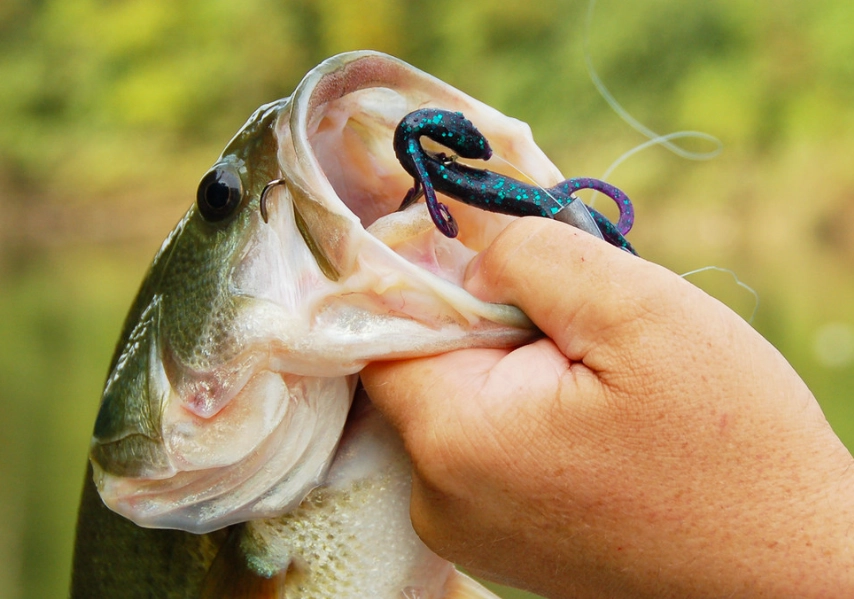
- Crankbaits: The depth is everything. Square-bills (2-5 ft) for wood and rock. Medium-divers (6-10 ft) for points and ledges. Deep-divers (10+ ft) for summer and winter bass holding deep. Bounce them off stuff. Deflection triggers reaction strikes.
- Spinnerbaits: Incredibly versatile. Burn them over grass, slow-roll them along the bottom, or "chuck and wind" through scattered cover. A Colorado/Willow leaf combo blade gives great vibration and flash. They're also surprisingly good in stained water.
- Chatterbaits/Bladed Jigs: The modern workhorse. The violent vibration calls fish from a distance. Great around grass, docks, and offshore structure. You can swim it steadily, yo-yo it, or even drag it. Pair it with a paddle-tail or craw trailer.
Bottom Contact: The Meat and Potatoes of Bass Fishing
This is where the big girls live, especially when they're not chasing bait. These finesse bass fishing techniques require patience and attention to detail.
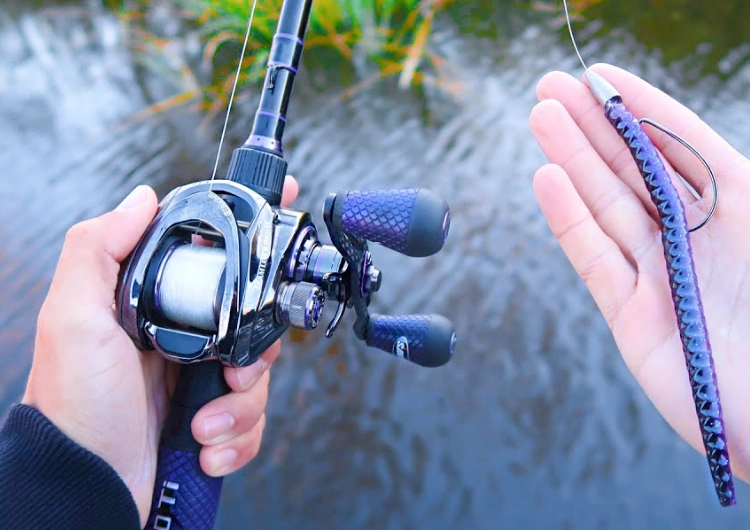
- The Texas-Rigged Worm: The single most effective bass lure of all time. It's weedless, can be fished anywhere, and imitates a variety of prey. The presentation is key: cast, let it sink, then use your rod tip to hop or drag it along the bottom. Most bites come on the fall or as it sits motionless. You have to feel for them.
- The Jig: A big-fish magnet. Flipping jigs into heavy cover, casting football jigs on rocky bottoms, or swimming a swim jig over grass. It's a slower, more deliberate presentation. The trailer (craw, chunk, or creature bait) adds action and profile. Set the hook hard.
- The Drop Shot: A supreme finesse technique for suspended or ultra-pressured fish. The weight is below the hook, keeping the bait (usually a straight-tail worm) dancing in place. It's deadly on lakes with clear water and in tournaments where fish have seen everything.
Finding Bass: It's a Seasonal Game
Bass don't just swim anywhere. They follow patterns dictated by water temperature, food sources, and spawning instincts. Your bass fishing techniques must adapt to these seasonal movements.
Spring (Prespawn, Spawn, Postspawn)
This is the most predictable and often the best fishing of the year. Fish are shallow and aggressive.
- Prespawn: Target staging areas—the last deep water near spawning flats. Points, creek channel bends, and the edges of major flats. Lipless crankbaits, jerkbaits, and jigs are deadly here as fish feed up before moving to beds.
- Spawn: Bass are on beds in protected, shallow bays. Sight-fishing with a Texas-rigged creature bait or a jig can work, but it's a delicate game. Many anglers, myself included, prefer to target pre- and postspawn fish for conservation reasons.
- Postspawn: Fish are recuperating and can be scattered. Look for them near cover adjacent to spawning areas. A spinnerbait or a swimbait worked around docks and newly-emerged grass can find the biters.
Summer
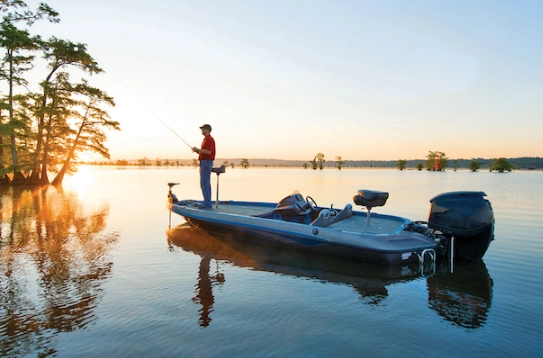
Bass seek cooler, oxygenated water. This often means going deep or finding shade.
- Early Summer: Topwater early and late, then switch to deep-diving crankbaits or Carolina rigs on main-lake points and ledges as the sun gets high.
- Peak Summer: Don't ignore the shade! Docks, overhanging trees, and thick mats of vegetation (like hydrilla or milfoil) provide oxygen and cooler temps. This is frog and punching territory. For deep fish, use your electronics to find schools on humps, river channels, and offshore brush piles. A drop shot or a heavy jig is key.
Fall
The bass are feeding aggressively to fatten up for winter. They follow the baitfish.
- Look for shad schools pushing into the backs of creeks and coves. Anything that mimics a shad—spinnerbaits, swimbaits, topwaters—will get crushed. It's often a fast, reaction-bite fishery.
Winter
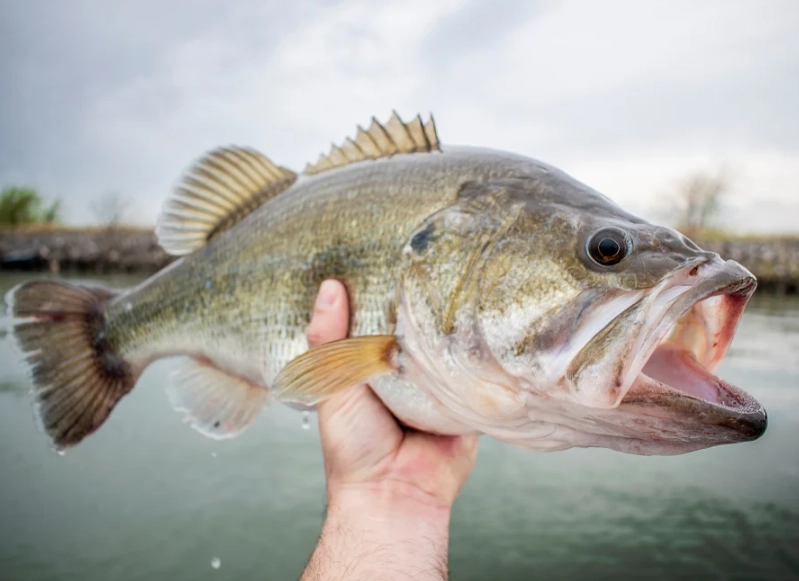
It's slow, but the fish are grouped up. Slow way, way down.
- Focus on the deepest, slowest-moving water you can find—the north sides of points, deep creek channels, marinas. A jig, a blade bait (like a Silver Buddy), or a suspending jerkbait crawled along at a snail's pace is the ticket. One bite might be the only bite of the day, but it could be the biggest.
Advanced Tactics: Thinking Like a Bass
Once you have the basics down, these concepts will separate you from the weekend angler.
Reading Water and Structure
Look at the water and ask: Where would a bass ambush prey while expending minimal energy? Look for:
- Current Breaks: Behind rocks, stumps, or points in rivers or wind-blown lakes. Bass face into the current and wait for food to wash by.
- Transition Lines: Where two types of cover or bottom composition meet (e.g., sand to rock, grass to hard bottom). Bass use these as highways.
- Isolated Cover: A single laydown in a barren cove often holds a better fish than a whole forest of trees. It's a prime ambush spot.
Weather and Barometric Pressure
It matters more than you think. A falling barometer (often before a storm) can trigger a ferocious bite. A rapidly rising barometer after a front passes can shut it down completely. On those bright, bluebird days after a cold front, switch to finesse techniques and smaller baits. The fish are there, they're just finicky.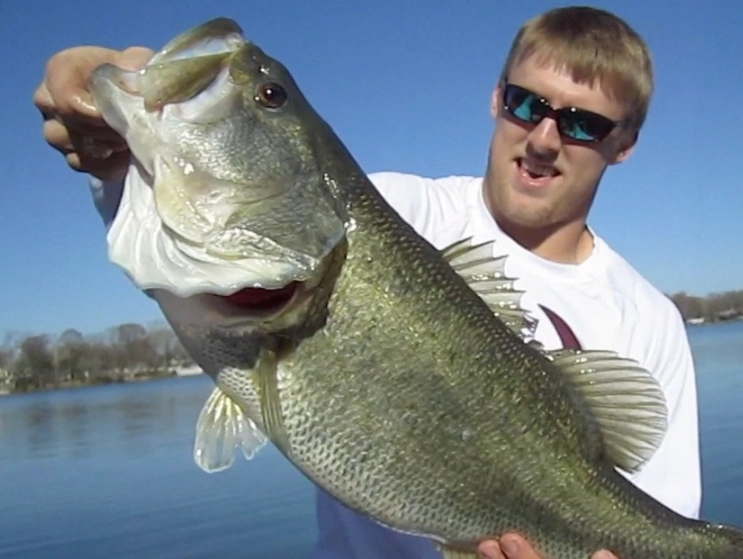
Answering Your Real Questions (The Stuff That Keeps You Awake)
Putting It All Together: A Sample Game Plan
Let's say it's a late spring morning on a typical reservoir. Here's how the thought process and bass fishing techniques might flow:
- Start at Dawn: Head to a secondary point near a spawning cove. Throw a topwater walking bait or a popper. Cover water and look for active, surface-feeding fish.
- As the Sun Rises: If the topwater bite dies, switch to a search bait. A squarebill crankbait bounced off the rocks and wood on that same point, or a spinnerbait rolled along the edge of the emerging grass.
- Mid-Morning Lull: Time to get precise. Pick apart the shady side of docks with a Texas-rigged creature bait. Flip a jig into the thickest laydown you can find in 3-5 feet of water. Slow down and be methodical.
- If Nothing Works: Go finesse. Find a deeper, shaded bank with a slight breeze hitting it. Rig up a drop shot or a shaky head worm and work it painstakingly slow. This is often how you salvage a tough day.
The real secret? There isn't one magic lure or secret spot. Consistent success in bass fishing comes from understanding a set of principles—how bass relate to cover, how they react to seasons, and how they feed—and then applying the right technique with confidence. It's a puzzle, and every day on the water gives you a few more pieces.
Don't get overwhelmed. Pick one technique from this guide—maybe the Texas rig or the spinnerbait—and go practice it until it feels natural. Pay attention to what you feel, what you see. Keep a mental log of what worked and what didn't. That's how you build your own library of experience, which is the only thing that truly makes an angler. Now go get your line wet.