Master Saltwater Fishing Techniques: A Complete Guide for Anglers
Want to catch more fish in the ocean? This complete guide to saltwater fishing techniques covers everything from essential rigs and bait selection to reading tides and targeting specific species. Learn the proven methods that work.
Your Fishing Roadmap
Let's be honest. My first few saltwater fishing trips were... humbling. I'd watch guys nearby pulling in fish one after another, while I was mostly perfecting the art of catching seaweed or losing rigs to snags. It wasn't until an old-timer on a pier in Florida took pity on me and shared a few core principles that things clicked. Saltwater fishing isn't just about throwing a line in the ocean. It's a puzzle where the pieces are tides, structure, bait, and technique. Get them right, and the rewards are incredible.
This guide is the one I wish I'd had. We're going to move past the generic advice and dive into the specific saltwater fishing techniques that actually work. Whether you're casting from a beach, a jetty, a pier, or a boat, the right approach makes all the difference.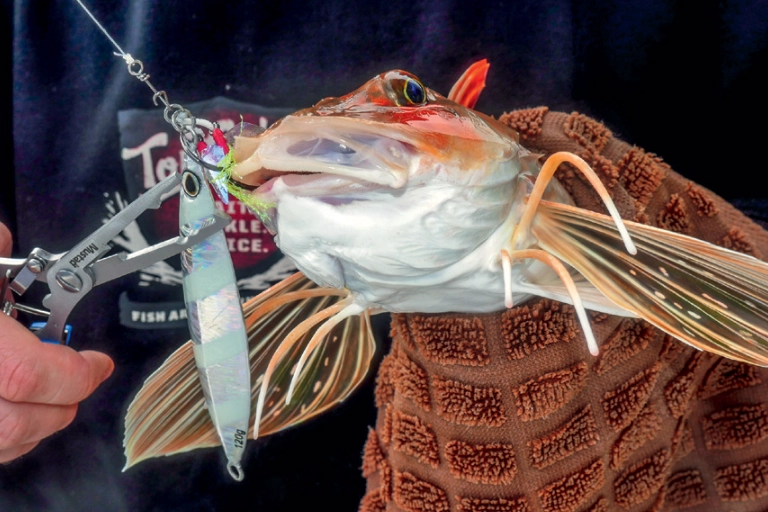
Getting Started: The Non-Negotiables
Before we even talk about specific rigs or lures, you've got to understand the stage. The ocean is never the same twice.
Tides Are Everything
I used to ignore tide charts. Big mistake. Fish are slaves to the tide. Moving water brings food, and fish position themselves to ambush it. An incoming tide pushes baitfish into channels, guts, and against structure. An outgoing tide drains marshes and flats, carrying nutrients and small creatures out to waiting predators. The hour or two around the peak of a moving tide (slack tide is often slower) is usually prime time. Apps or local marina charts are your friend here.
Reading the Water and Finding Structure
You're looking for anything that breaks up the monotony. From shore, that might be a jetty, a pier pilings, a sandbar drop-off, or a rocky point. From a boat, you're looking for birds diving, color changes in the water, or using a fish finder to locate reefs, wrecks, ledges, and holes. Fish don't hang out in the middle of nowhere. They relate to structure for food and shelter. Your first saltwater fishing technique is simply learning to find these spots.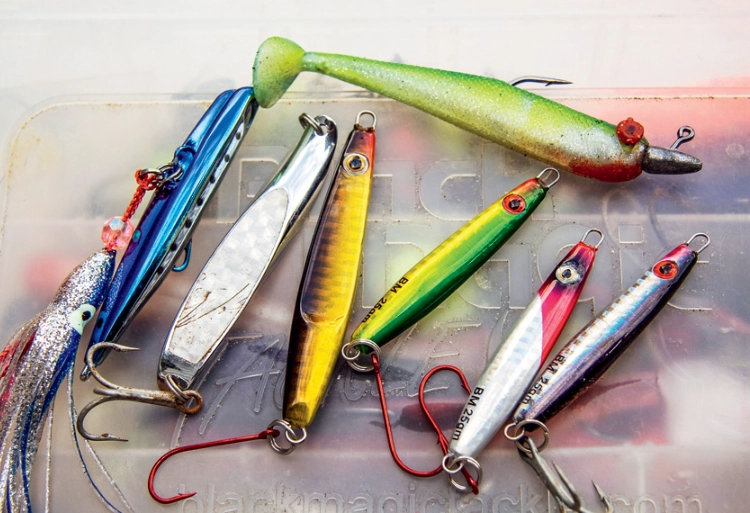
Essential Saltwater Fishing Techniques, Broken Down
Okay, let's get to the meat of it. Here are the core methods, why they work, and when to use them.
Bottom Fishing / Bottom Bouncing
This is the bedrock. It's exactly what it sounds like: getting your bait down to the ocean floor where species like snapper, grouper, flounder, and cod feed. The key is presentation. You want your bait looking natural, not anchored like a dead weight.
Classic Bottom Rig:
- Main Line: 20-50 lb braid or mono.
- Sinker: Bank sinker or egg sinker, heavy enough to hold bottom (2-8 oz typical).
- Leader: 2-3 ft of fluorocarbon (20-40 lb test), tied to a swivel.
- Hook: Circle hook (size 2/0 to 7/0) for live/dead bait. J-hook for cut bait.
The technique? Cast out, let it sink, and keep a slight tension. You can gently lift and drop the rod tip to "bounce" the bait, making it more appealing. Feel for subtle taps—don't wait for a huge yank. For species with sharp teeth, like flounder, a high-low rig with two hooks at different levels can double your chances.
Is it the most exciting technique? Not always. But it's consistently effective and a fantastic way to learn to feel what's happening below. It's one of those fundamental saltwater fishing techniques you'll always come back to.
Live Lining / Drifting
This is where the fun really starts. Instead of a dead weight, you're using a live baitfish (like a pinfish, mullet, or menhaden) to do the work for you. The idea is to present a perfectly natural, struggling bait to predators like striped bass, snook, tarpon, king mackerel, and cobia.
You hook the live bait through the lips, back, or just ahead of the tail (depends on species and how active you want it). Then, with minimal weight or just a small sliding egg sinker above the leader, you let it swim freely. From a boat, you drift with the current or wind, letting your baits cover ground. From a pier or jetty, you freeline it out.
The strike is often explosive. Your drag needs to be set right, because a big fish will take line immediately. This method requires more active attention than bottom fishing, but the payoff is usually bigger fish. It's a dynamic saltwater fishing technique that teaches you about current and fish behavior.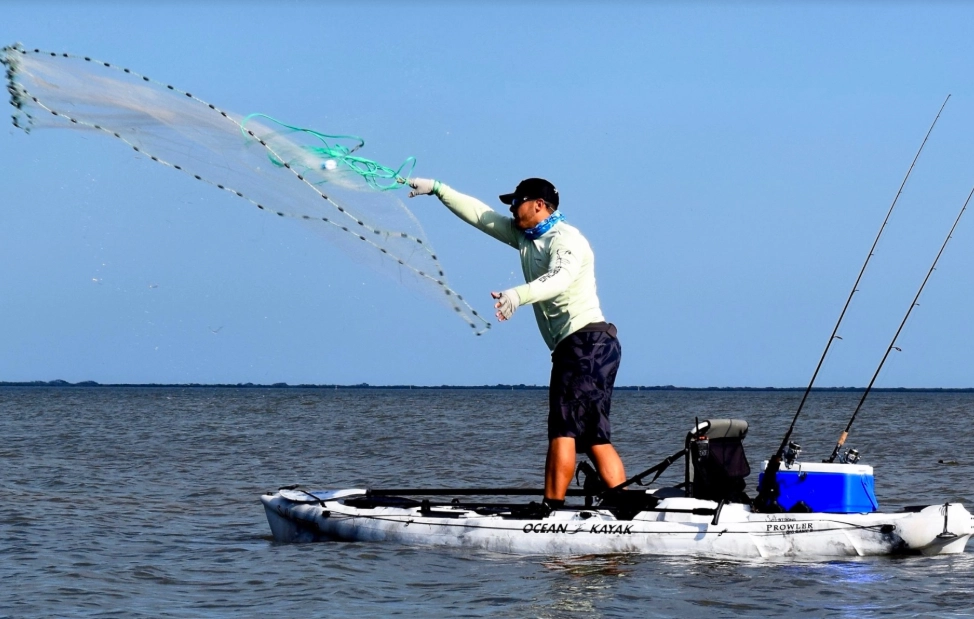
Jigging
This is an active, physical technique that's incredibly versatile. You're using a weighted lure (a jig) that you work vertically or cast and retrieve. It mimics a wounded baitfish. There are two main types:
Vertical Jigging: Done from a boat over structure. You drop a heavy metal jig (like a diamond jig or butterfly jig) down to the bottom, then rapidly pump the rod up and down, letting the jig fall back on a slack line. It's killer for amberjack, grouper, sea bass, and even tuna. It's a workout!
Casting Jigs: Lighter bucktail jigs or paddle-tail jigs on a leadhead. You cast them along beaches, jetties, or flats and retrieve them with a hopping, darting motion. This is deadly for speckled trout, redfish, bluefish, and striped bass. The action you impart is everything—erratic is good.
Trolling
The classic boat technique for covering vast areas. You drag lures or baited rigs behind a moving boat. The speed, lure depth, and spread pattern are the variables. It's the go-to method for pelagic (open water) species like mahi-mahi, tuna, wahoo, and marlin.
You can troll diving plugs, spoons, or rigged natural baits like ballyhoo. Outriggers help spread your lines wide and prevent tangles. Downriggers or planers get your lures down deep. It seems simple—just drive around—but dialing in the right speed for the lure and knowing where to run your lines in the water column is a skill. The International Game Fish Association (IGFA) maintains the world records for these species, and most are caught trolling.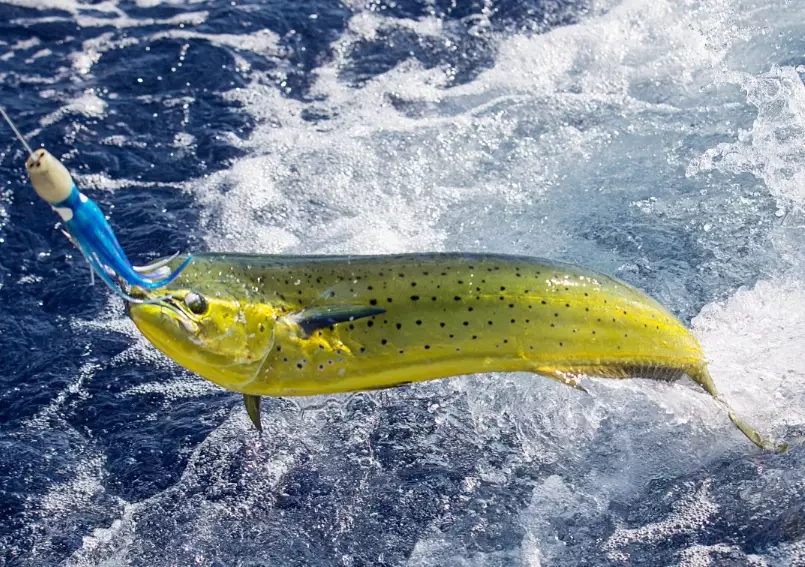
Targeting Specific Fish: A Quick-Reference Guide
Let's get specific. Here’s a table breaking down the best saltwater fishing techniques for some popular targets. This is the kind of cheat sheet I keep in my tackle box.
| Target Species | Prime Habitat | Top Techniques | Best Baits/Lures | A Quick Tip |
|---|---|---|---|---|
| Redfish (Red Drum) | Grassy flats, marsh edges, oyster bars, inlets. | Sight casting, slow retrieve jigging, bottom fishing with cut bait. | Gold spoons, soft plastic paddle-tails, live shrimp or crab, cut mullet. | Look for "tailing" fish in shallow water—their tails break the surface as they feed head-down. |
| Speckled Trout (Spotted Seatrout) | Grassy flats, channels, drop-offs near structure. | Topwater at dawn/dusk, suspending twitchbaits, slow-rolled soft plastics. | Topwater plugs, suspending MirrOlures, soft plastic jerkbaits on a jighead. | They have soft mouths. Use a gentle hookset and avoid braided line directly to the hook to prevent tear-outs. |
| Snook | Mangrove shorelines, dock lights at night, inlet mouths. | Live lining, casting plugs/jigs around structure. | Live pilchards or pinfish, white bucktail jigs, topwater plugs. | Their gill plates are razor sharp. Learn a proper, safe grip before you land one. |
| Flounder | Sandy or muddy bottoms near drop-offs, channels, bridge pilings. | Bottom fishing with a slow drag. | Live minnow or finger mullet on a high-low rig, Gulp! swimming mullet on a jighead. | They are ambush predators. Drag your bait slowly along the bottom so it passes right in front of them. |
| Striped Bass | Surf, rocky shores, estuaries, around baitfish schools. | Surf casting, trolling, live/chunk bait fishing. | Live eels, bunker chunks, diamond jigs, pencil poppers. | Night fishing during a moving tide is often the most productive time, especially in the surf. |
Gear Talk: Keeping It Simple
The tackle marketing can make your head spin. You don't need a garage full of rods. Start with two versatile setups:
Medium-Heavy Spinning Combo (4000-5000 size reel): Spooled with 20-30 lb braid and a fluorocarbon leader. This is your all-around workhorse for casting lures, bottom fishing from piers, and lighter inshore boat work. It can handle most species up to the 30-inch range.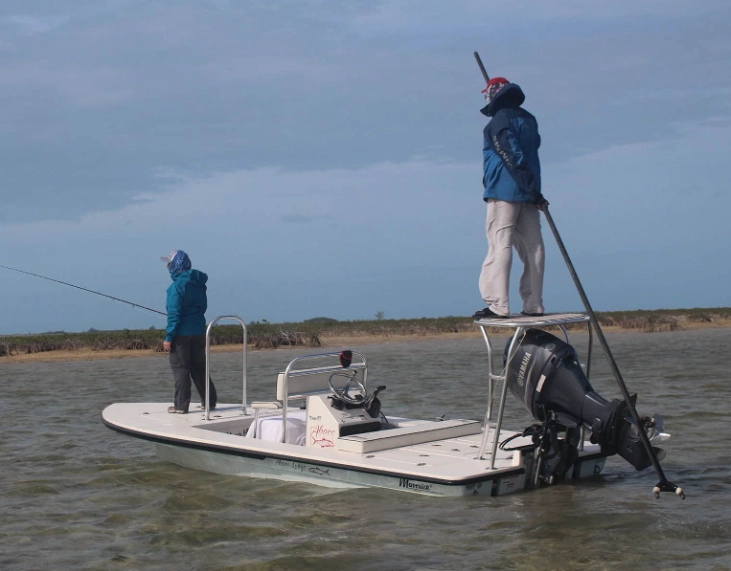
Heavy Conventional Combo (for boat/big surf): A lever-drag or star-drag reel spooled with 40-65 lb braid. This is for deep bottom fishing, heavy jigging, or casting big baits into the surf for stripers or reds.
Advanced Concepts: Reading the Signs
Once you have the basic saltwater fishing techniques down, you start noticing the little things.
Birds are your scouts. Diving seabirds (terns, gulls) almost always mean baitfish are being pushed to the surface by predators below. Get there fast.
Water color and surface activity. Nervous water, slicks (oily patches), or outright boils and busts mean fish are feeding. Cast past the activity and retrieve your lure through it.
Match the hatch. If you see small silvery baitfish flipping, a silver spoon or shiny jig is a good bet. If the water is full of shrimp, a shrimp imitation or live shrimp under a popping cork is logical.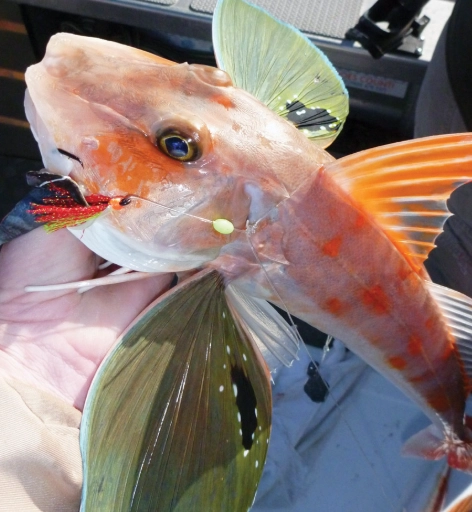
Common Saltwater Fishing Questions (Answered)
Parting Thoughts: The Real Catch
Mastering saltwater fishing techniques is a lifelong journey. There will be days when everything goes perfectly and the cooler fills up. There will be more days when the fish win, the wind howls, and you come home with nothing but a sunburn and a story.
And that's okay.
The real skill isn't just in tying the perfect knot or casting a mile. It's in learning to read the water, understanding the rhythms of the tide, and appreciating the sheer challenge of it. Start with the fundamentals in this guide—bottom fishing, live lining, jigging. Pay attention to the details. Talk to other anglers. Respect the resource and follow the rules.
Now, go get your line wet. And maybe keep some of those spots you find a secret. Some traditions are worth keeping.