Master Walleye Fishing: Essential Techniques & Pro Tips
Want to consistently catch more walleye? This ultimate guide breaks down proven walleye fishing techniques, from jigging and trolling to live bait rigs. Learn seasonal strategies, gear selection, and pro tips to master walleye fishing in any condition.
Quick Guide
- Understanding Your Target: The Walleye's World
- Seasonal Strategies: Matching the Hatch (and the Mood)
- Gear Talk: Rods, Reels, and the All-Important Line
- The Technique Toolbox: From Simple to Specialized
- Lure Selection: A Minimalist's Approach
- Common Questions (Stuff I Wondered When I Started)
- Putting It All Together: A Sample Game Plan
Let's be honest, walleye can be downright finicky. One day they're slamming everything you throw, the next they act like your lure is a piece of driftwood. I've lost count of the times I've been skunked targeting walleye, staring at a motionless rod tip while my buddy in the next boat seems to be reeling them in non-stop. It's frustrating. But over the years, through a lot of trial and a ton of error, I've pieced together a system that works more often than not. This isn't about secret spots or magic lures. It's about understanding the fish and applying the right fishing techniques for walleye at the right time.
Think of it this way. You wouldn't use a sledgehammer to fix a watch. Using a bass fishing mentality for walleye is kinda like that. They're a different beast. Their eyes are built for low light, they hug the bottom, and they have a reputation for being light biters. Miss those cues, and you'll miss the fish.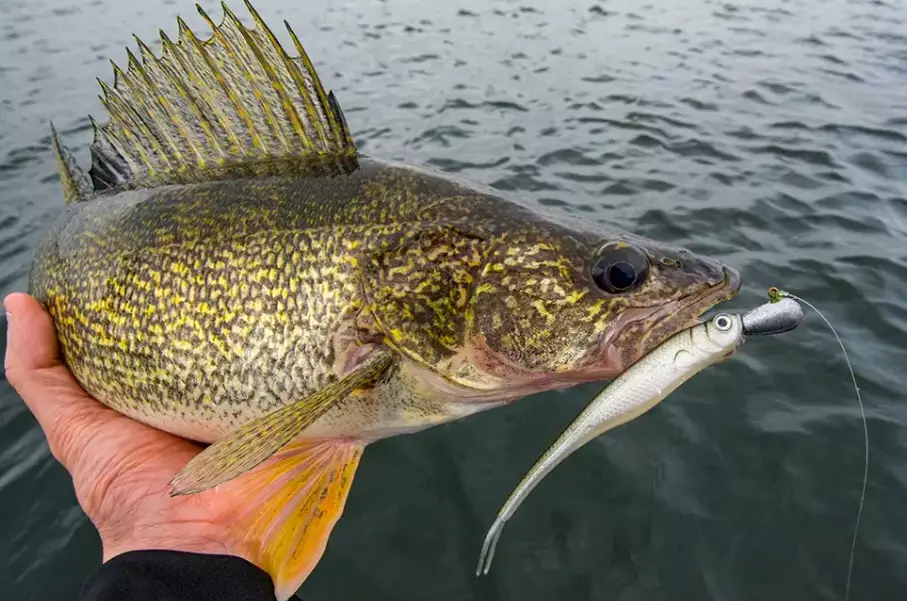
So, where do we start? For me, it always begins with the "why." Why are the walleye here, and what are they doing? Answer that, and choosing the right technique becomes almost obvious.
Understanding Your Target: The Walleye's World
Before you even tie on a lure, you need to get inside the head of a walleye. It sounds silly, but it's the single biggest difference between a casual angler and someone who consistently fills the livewell.
Walleye are predators, but they're not like muskie or pike that will chase down a meal in open water. They're opportunists. They love structure—drop-offs, rock piles, weed edges, sand flats adjacent to deep water. They use these areas as ambush points. Their famous light-sensitive eyes mean they're most active during dawn, dusk, nighttime, or on overcast, gloomy days. On a bright, sunny afternoon? They're often tucked away in deeper, darker water or tight to cover. The U.S. Fish & Wildlife Service notes their widespread range across lakes and rivers, which tells you they've adapted to various environments, but their core behaviors remain pretty consistent.
Ever feel a weird "tap-tap" and reel in an empty hook? That was probably a walleye. They have hard mouths and often suck in a bait rather than strike it aggressively. Feeling that subtle pick-up is a skill in itself, and it influences every walleye fishing technique you'll use.
Seasonal Strategies: Matching the Hatch (and the Mood)
Your approach in spring should look nothing like your approach in the dead of summer. If you're using the same method year-round, you're leaving a lot of fish in the water.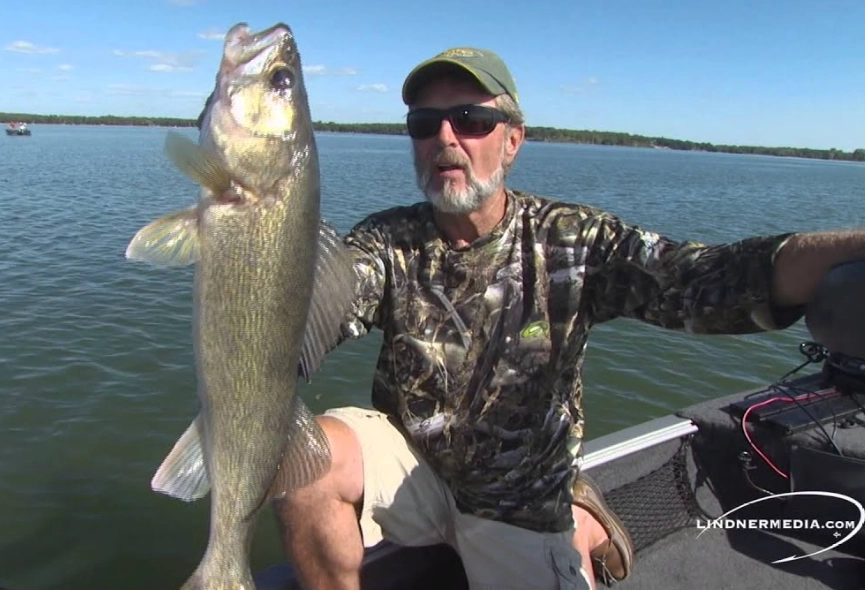
Spring: The Shallows are Calling
Post-spawn, walleye are hungry and often in relatively shallow water. We're talking 5 to 15 feet. They're recovering and looking for an easy meal. This is prime time for a slow, methodical presentation. Jigging with a live minnow or a soft plastic is deadly. I'm a big fan of a simple 1/4 oz jig head with a 3-inch paddle-tail grub in natural colors. Cast it out, let it sink, and use a slow, lifting retrieve with pauses. The strike on the fall is classic spring walleye.
River anglers, this is your time too. Current breaks below dams, wing dams, and inside bends are walleye magnets. A jig-and-minnow comb bounced along the bottom is the go-to. Don't overcomplicate it.
Summer: The Deep Dive
When the sun gets high and the water warms, walleye seek comfort. They'll move to deeper structures—mid-lake humps, deep weed lines, points that drop into the abyss. This is where trolling and bottom-bouncing become your bread and butter. You need to cover water to find schools.
Deep-diving crankbaits trolled along contour lines can be fantastic. But my personal summer savior is the bottom bouncer and spinner rig, or a simple Lindy Rig. You drag a live crawler or leech right along the bottom, over those deep structures. It's not the most exciting way to fish, but boy, is it effective. The key is speed. Too fast and you're above them. Too slow and you're snagging every rock. A pace just fast enough to keep the blade on your spinner turning is usually the sweet spot.
Night fishing also comes into its own in summer. Trolling shallow rock bars or sand flats after dark with shallow-running crankbaits can produce absolute giants.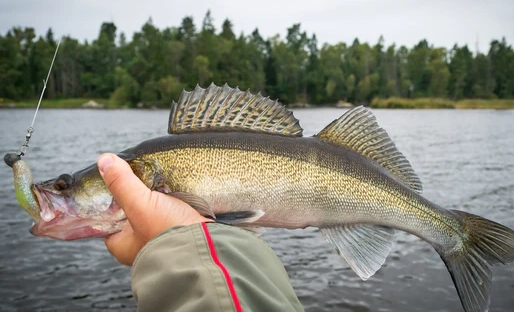
Fall: The Feeding Frenzy
As the water cools, walleye sense winter coming and go on a feeding binge. They often follow baitfish schools, which can put them anywhere in the water column. This is a versatile season. You might catch them jigging deep one day and casting crankbaits to shallow rocks the next.
Jigging raps and blade baits become extremely effective for triggering reaction strikes from these aggressive, feed-minded fish. Rip it off the bottom, let it flutter down, and hold on.
Winter: The Ice Age
Ice fishing for walleye is a world of its own, but the principles remain. Find the structure, usually near where you left them in the fall. Jigging spoons tipped with a minnow head or a full live minnow on a tip-up are the classic one-two punch. The afternoon bite, right up until last light, is often the most productive period through the ice.
Gear Talk: Rods, Reels, and the All-Important Line
You don't need a mortgage-worth of gear, but having the right tool for the job makes feeling those light bites and setting the hook properly so much easier.
- Rod: A medium-light to medium power, fast action spinning rod around 6'6" to 7' is the perfect all-around walleye stick. It has enough backbone to set the hook and fight the fish, but a sensitive tip to detect bites. For trolling, a longer medium-power rod (7' to 8'6") helps manage lines.
- Reel: A quality 2500 or 3000-size spinning reel with a smooth drag. You're not fighting tuna, but a big walleye on light line will test your drag. Make sure it's smooth, not jerky.
- Line: This is where many anglers stumble. I am a huge proponent of braided main line (10-15 lb test) with a fluorocarbon leader (6-10 lb test). The braid has zero stretch, so you feel everything. The fluoro leader is nearly invisible underwater and is more abrasion-resistant against rocks. For clear water situations, this combo is a game-changer for effective fishing techniques for walleye.
For jigging, I might go straight to 8 lb fluorocarbon. For pulling bottom bouncers in snaggy areas, maybe a 10-12 lb mono for its stretch and abrasion resistance. Match the line to the technique.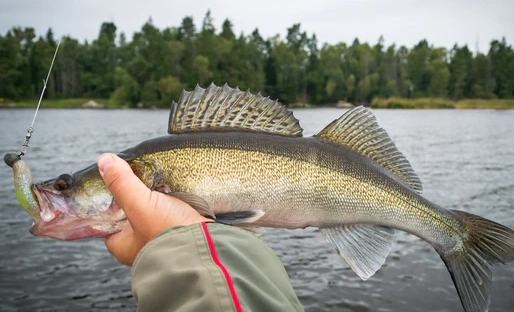
The Technique Toolbox: From Simple to Specialized
Alright, here's the meat and potatoes. Let's break down the core walleye fishing techniques you need to have in your arsenal.
Jigging: The Foundation
If you only learn one method, make it this one. It works in almost every season, in lakes and rivers. The concept is simple: a weighted jig head with some form of bait (plastic or live) is worked vertically or cast and retrieved near the bottom.
The magic is in the presentation. It's not just bouncing it up and down. Try a lift-drop-pause. A drag-and-hop. A subtle shaking retrieve. Let the fish tell you what they want that day. I remember one tough day on Lake Erie where the only thing that worked was dragging a jig slowly with barely any hop at all. They wanted it almost dead-sticked.
Jig weight is critical. Use just enough to maintain bottom contact. In 20 feet of water with wind? You might need 3/8 oz. In a calm, shallow bay? 1/8 oz is perfect.
Live Bait Rigs: The Finesse Masters
When the bite is tough, or you're targeting pressured fish, live bait rigs are often the answer. They present a natural, slow-moving meal.
- Lindy Rig (Slip Sinker Rig): The classic. A sliding sinker on your main line, a swivel, then a fluorocarbon leader (3-6 feet) ending in a hook. You nose-hook a live minnow, leech, or crawler and slowly drag it. The fish feels no resistance when it picks up the bait.
- Spinner Rig (Harness): A bottom-bouncer or in-line sinker pulls a spinner blade and beads ahead of a hook(s) baited with a crawler. The flash and vibration attract fish from a distance. Troll it slowly over flats or along breaks.
Trolling: Covering Water to Find Fish
Trolling isn't just driving the boat in a straight line. It's a strategic search pattern. Use your electronics to follow specific depth contours. Deploy planer boards to spread lines and cover a wider swath of water without spooking fish.
You can troll crankbaits, spinner rigs, or even crankbaits with snap weights or downriggers to get them deep. The key variables are speed, lure depth, and color. Change one at a time until you get a hit, then replicate it.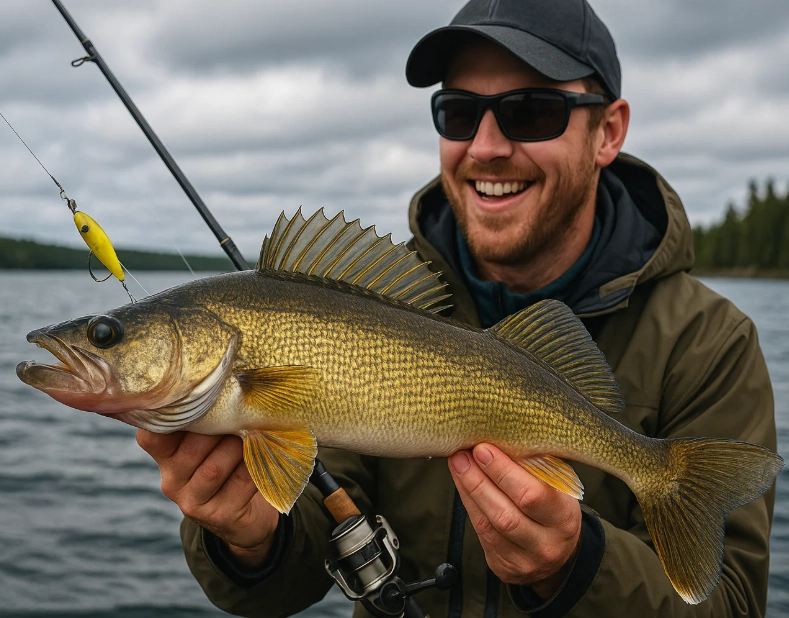
I'll admit, I used to think trolling was boring. Just sitting there waiting for a rod to go off. But when you're marking huge schools of suspended fish over a deep basin and you need to figure out what depth they're feeding at, trolling with downriggers becomes a fascinating puzzle.
Slip Bobber Fishing: The Underrated Gem
Don't overlook the humble bobber. A slip bobber rig allows you to present a live minnow or leech at a precise depth, suspended over a specific piece of structure—like a rock pile or weed bed. It's incredibly effective, especially for suspended walleye or when fishing around snags. It's also one of the best techniques for beginners to learn, as the bite is visual and unmistakable.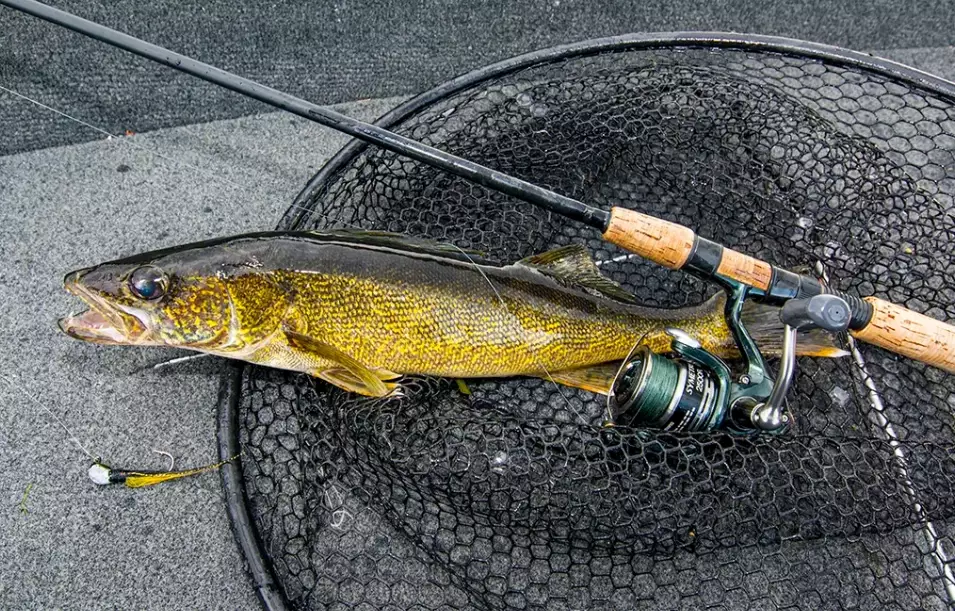
Here’s a quick comparison of when to reach for which primary technique:
| Technique | Best For | Key Strength | My Personal Go-To Bait |
|---|---|---|---|
| Jigging | Precise vertical presentation, active fish, exploring structure | Versatility & direct contact/feel | 1/4 oz jig + 3" Gulp! Minnow (Smelt) |
| Live Bait Rig (Lindy) | Finesse situations, tough bites, dragging flats | Natural presentation, low resistance | Live Leech or Nightcrawler |
| Trolling (Crankbaits) | Covering water, locating schools, active periods | Searching efficiency, triggering reaction | Deep Diving #5 Shad Rap (Perch) |
| Slip Bobber | Suspended fish, snaggy areas, teaching beginners | Precision depth, visual bite detection | Live Fathead Minnow |
Lure Selection: A Minimalist's Approach
The tackle industry wants you to buy every color under the rainbow. You don't need to. For walleye, a small, curated selection based on forage and conditions will catch 95% of your fish.
- Jigs: Round head, stand-up head, and swimming head jigs in 1/8, 1/4, 3/8 oz. Colors: Gold, pink, white, chartreuse, and black.
- Crankbaits: Stick baits (like the original Rapala) and shad-shaped cranks that dive 5-15 feet. Perch, shad, and silver/blue patterns are killers.
- Soft Plastics: Paddle-tail grubs (3-4 inch), curly-tail grubs, and ring worms. Natural and bright colors both have their place.
- Blade Baits & Jigging Raps: For vertical jigging aggression, especially in fall and through the ice.
My advice? Start with a natural color that matches the primary baitfish (perch, shad, cisco) and a bright color (chartreuse, hot pink) for stained water or low-light conditions. Let the fish choose.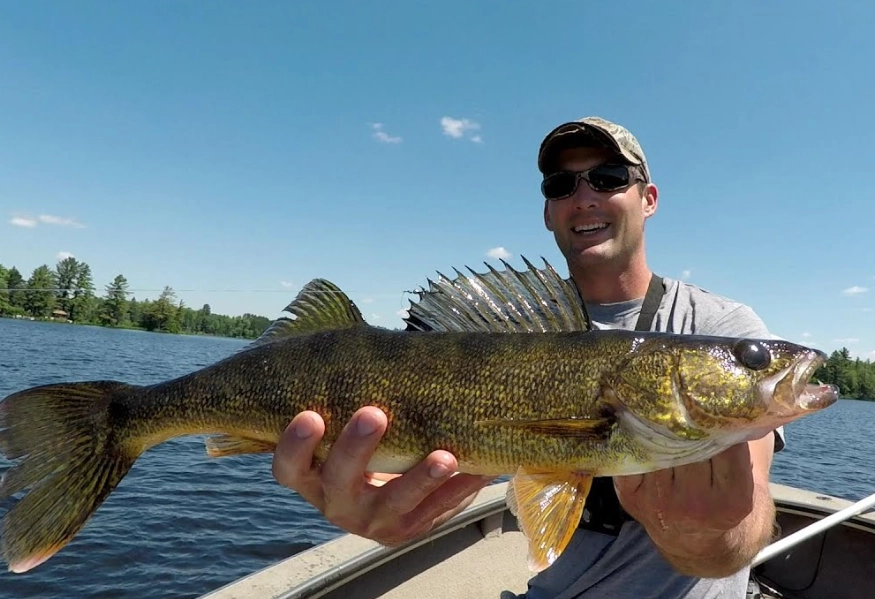
Common Questions (Stuff I Wondered When I Started)
Putting It All Together: A Sample Game Plan
Let's say it's a late May morning on a natural lake. Here's how my brain works:
- Time: Launch at first light. The dawn bite is prime.
- Location: Head to a main lake point with a sharp drop-off into 20+ feet of water. It's a post-spawn staging area.
- Technique: Start by casting a jig and minnow or soft plastic to the shallow side of the point (8-12 feet). Work it slowly back to the boat.
- Adaptation: If no bites after 30 minutes, move out to the deep edge of the point. Switch to a heavier jig (3/8 oz) and work it vertically, watching my sonar for marks.
- Second Option: If the sun gets high and bright, I might switch gears entirely. Move to a deep, mid-lake hump that tops out at 18 feet. Rig up a bottom bouncer and spinner with a crawler and slowly troll/crawl over the top and sides of the hump.
- Persist: If I find fish on the hump but they're not committing, I might stop and hover over them, dropping a jigging rap to trigger a reaction strike.
The point is to have a plan but be ready to change it based on what you see and feel. The fish don't read the same blogs we do.
Mastering walleye fishing techniques is a journey. You'll have days where everything clicks and days where nothing works. But if you focus on understanding the fish, choosing the right technique for the conditions, and presenting it with patience, you'll have more of the former than the latter. Now get out there, apply this stuff, and go bend a rod.