The Ultimate Guide to Spinning: Fishing Techniques Explained
Wondering how to master spinning for fishing? This ultimate guide covers everything from setup and casting to lure selection and retrieval techniques. Catch more fish with our proven spinning methods.
In This Guide
Let's talk about spinning. If you've ever stood on a bank, in a boat, or on a pier with a rod in hand, chances are you were using a spinning setup. It's the gateway for millions into the world of fishing, and for good reason. It's forgiving, versatile, and frankly, it just works. But here's the thing I've learned after years of untangling bird's nests and losing lures to the trees behind me: there's a huge gap between just throwing a line out and truly mastering spinning fishing techniques. This guide is about bridging that gap. We're going to move past the basics you can read anywhere and dig into the nuances that actually help you catch more fish.
I remember my first spinning combo. It was a cheap, clunky thing from a big-box store. I spent more time fighting the line twist than catching fish. It was frustrating. That experience taught me that good technique trumps expensive gear every single time. So whether you're a complete newbie staring confusedly at the bail on your reel or an intermediate angler looking to refine your skills, this is for you. We'll cover the why behind the how, and I'll throw in some hard-learned lessons from the water.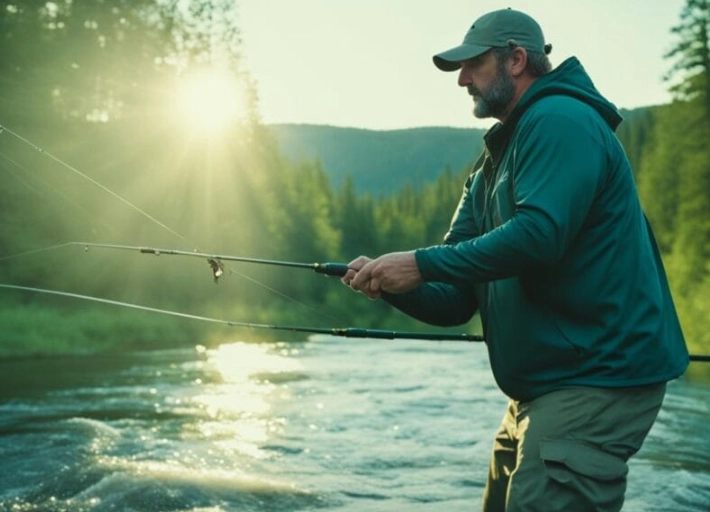
Gearing Up: Your Spinning Rod and Reel Foundation
You can't talk about fishing techniques spinning relies on without starting with the tools. Getting this part wrong makes everything else an uphill battle. It's not about buying the most expensive gear; it's about buying the right gear for what you want to do.
The Spinning Rod: Your Connection to the Fish
Rod choice is critical. Power and action are the two words you need to live by. Power is the rod's backbone—its ability to handle weight and pressure. Think ultra-light, light, medium, medium-heavy, heavy. Action refers to where the rod bends. Fast action bends mostly in the top third, moderate in the top half, slow bends down into the handle.
For general freshwater spinning—think bass, trout, walleye—a 6.5 to 7 foot medium-power, fast-action rod is the Swiss Army knife. It can handle a wide range of lures and fish sizes. Going after panfish? Drop down to an ultra-light. Targeting pike or larger saltwater species? You'll want a medium-heavy. Length matters too. Longer rods cast farther and give you more control over the fish; shorter rods offer more accuracy and power in close quarters, perfect for kayak fishing or brushy banks.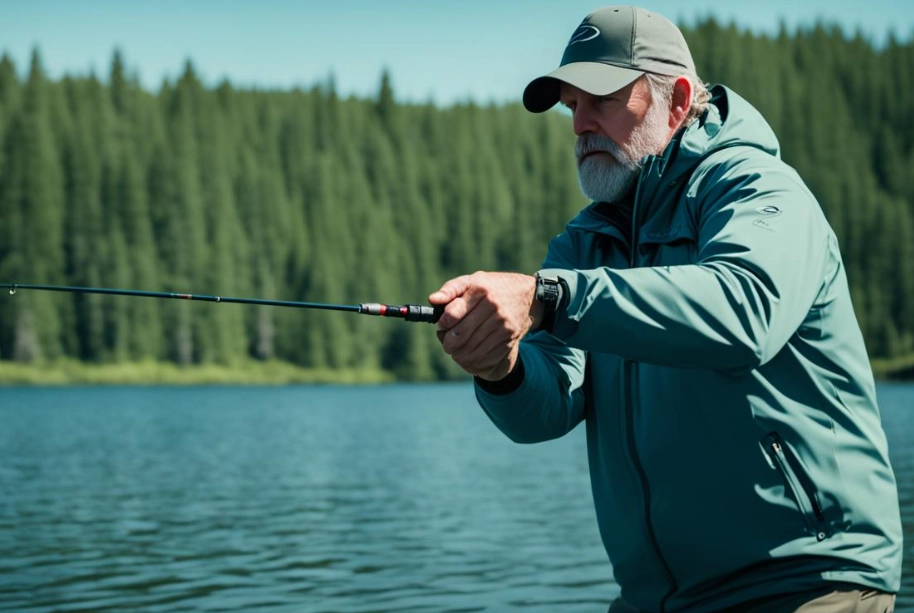
The Spinning Reel: The Heart of the System
The reel is where the magic of retrieval and drag happens. Size (like 2500, 3000, 4000) should be matched to your rod and line capacity needs. A 2500 or 3000 size is perfect for that all-around medium rod. Look for a smooth drag system—this is what tires out big fish and prevents broken lines. The number of ball bearings (5+ is good) contributes to smoothness, but brand reputation for durability often matters more. A well-maintained reel from a reputable brand will outlast a cheap one with fancy bearing counts.
One feature I now consider non-negotiable is a rear drag. It's just easier to adjust in the middle of a fight. Front drags can be smoother for high-end models, but for most of us, convenience wins.
Line and Leader: The Invisible Link
This is where many anglers, myself included, have skimped and paid the price. Your line is your only physical connection to the fish. For spinning reels, line memory (the line's tendency to keep its coiled shape from the spool) is the enemy. It causes tangles and reduces casting distance.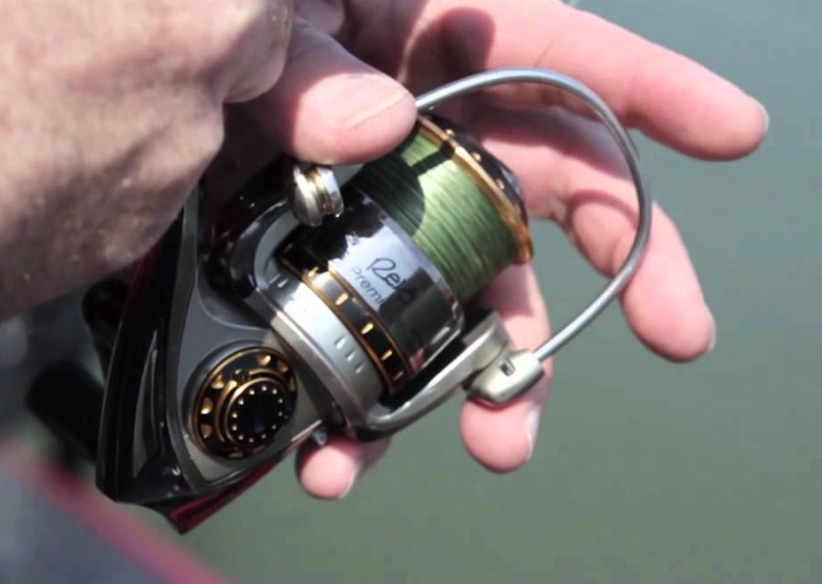
- Monofilament: The old faithful. It's cheap, has stretch (which can be good for shock absorption), and is easy to tie. But it has high memory and degrades in sunlight. I use it for topwater sometimes because it floats.
- Braided Line: My personal go-to for most applications. It has no stretch, incredible sensitivity, and much smaller diameter for its strength. The zero memory is a godsend for spinning reels. The downside? It's visible in water and requires a knot like a Palomar or Uni knot to prevent slippage. You almost always need a fluorocarbon leader with braid.
- Fluorocarbon: Nearly invisible underwater, sinks, and is very abrasion-resistant. Its stiffness and high memory can be problematic on spinning reels if spooled as main line. Where it shines is as a leader material. I tie a 4-8 foot section of fluorocarbon to my braid for a stealthy, abrasion-resistant connection to the lure.
| Line Type | Best Use on Spinning Gear | Biggest Pro | Biggest Con |
|---|---|---|---|
| Braided Line | Main line for most techniques (jigging, worm fishing, crankbaits) | Zero memory, great sensitivity | Highly visible, requires good knots |
| Fluorocarbon Leader | Tied between braid and lure for invisibility | Nearly invisible underwater | Stiff, can coil if too heavy |
| Monofilament | Topwater lures, beginner setups, budget option | Cheap, floats, easy to manage | High memory, degrades over time |
Mastering the Core Spinning Techniques
Alright, you've got your gear sorted. Now let's get it wet. This is where fishing techniques for spinning gear come to life. It's more than just casting and reeling.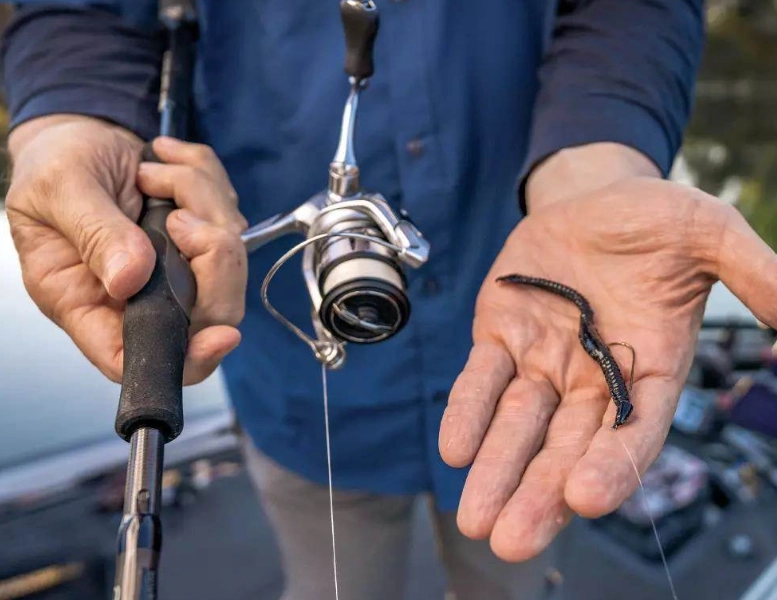
The Perfect Cast: It's Not About Strength
The overhead cast is the fundamental move. The key is timing and smooth acceleration, not brute force. Open the bail with your hand. Use your index finger to hook the line against the rod grip, holding it securely. Bring the rod tip back to about 2 o'clock. Then, in one smooth motion, accelerate forward and release your finger from the line as the rod tip points toward your target. Let the rod do the work. A jerky, forced cast sends your lure on a wild, inaccurate ride and often results in a dreaded "wind knot" or backlash.
Practice in your backyard with a practice plug or just a weight. Aim for consistency, not distance. Distance comes with smooth technique. Sidearm and underhand casts are essential for low ceilings (like under trees or docks). The mechanics are the same, just on a different plane.
Retrieval Methods: Giving Your Lure Life
This is the soul of spinning technique. A lifeless lure rarely catches fish. Your retrieve is what triggers strikes.
- The Steady Retrieve: Simple, but effective for spinnerbaits, inline spinners, and crankbaits. Just turn the handle at a consistent pace. Vary the speed until you find what the fish want. Sometimes a slow, grinding retrieve works; other days, they want it burned back fast.
- The Stop-and-Go (Twitch Retrieve): My absolute favorite for jerkbaits, minnow plugs, and even soft plastics. Reel a few turns, then pause. Twitch the rod tip on the pause. This imitates a wounded, vulnerable baitfish. Most strikes happen on the pause or the moment you start moving again. The patience to let it sit is hard to learn but crucial.
- The Bottom Bounce: For jigs, worms, and Carolina rigs. Cast out, let it sink to the bottom. Then, use your rod tip to lift the lure up, let it fall back on a semi-slack line. Feel for that subtle "tick" on the fall—that's often a bite. This is finesse fishing at its best and where braided line's sensitivity is a game-changer.
I can't tell you how many times I've been fishing with someone who's using the same lure, and I'm catching fish while they're not. Nine times out of ten, it's the retrieve. They're just reeling. I'm making the lure behave like food.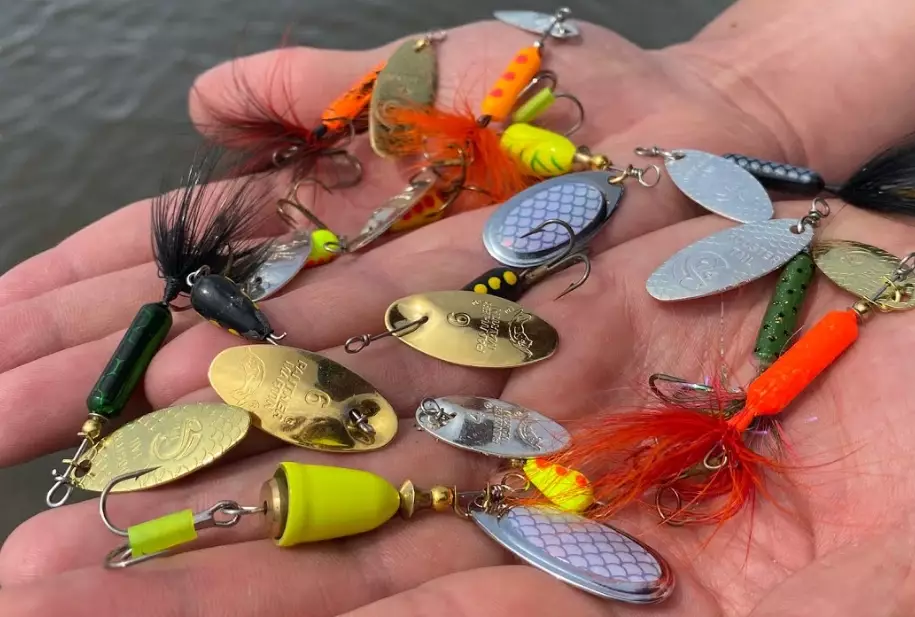
Advanced Spinning Strategies for Specific Situations
Once you have the basics down, you can start applying your spinning setup to targeted, advanced methods. This is where you graduate from catching occasional fish to consistently putting them in the net.
Finesse Fishing with Light Line
When fish are pressured, the water is clear, or they're just being finicky, scaling down is the answer. This means light line (4-8 lb braid with a fluorocarbon leader), small hooks, and subtle presentations. A wacky-rigged Senko worm, a tiny hair jig, or a ned rig are killers. Your spinning gear is perfect for this. The key is patience and a delicate touch. You're not setting the hook with a massive sweep; you're reacting to line movement or a slight tap and lifting the rod firmly.
Topwater Excitement
Nothing beats a surface strike. For poppers, walk-the-dog style baits, and prop baits, your spinning rod's flexibility is an asset. Use monofilament because it floats and has that helpful shock stretch. The retrieve is all about rhythm. Poppers: sharp twitches to "chug" water. Walkers: steady, side-to-side rod tip sweeps with slack in the line. Be ready for explosive strikes that will make you jump!
Trolling and Drifting
Your spinning rod isn't just for casting. It's excellent for shallow water trolling for trout or walleye with small crankbaits or spinners. Let out enough line behind the boat, engage the reel, and just hold on. Similarly, when drifting over a reef or drop-off for species like perch or sea bass, a simple bottom rig with bait or a jig on your spinning setup is incredibly effective. Let the boat's movement give your lure action.
Common Spinning Problems and How to Fix Them
We've all been there. The bird's nest. The lure sailing into oblivion. The fish that got away. Let's troubleshoot.
Line Twist: The Spinning Reel's Arch-Nemesis
This is the number one headache. It happens when your lure spins in the water. Swivels help, especially with inline spinners or spoons. But the best prevention is proper spooling (have the line come off the side of the supply spool that matches your reel's direction) and occasionally letting out line behind the boat to let twists swim out. If your line is a coiled mess, it's time to re-spool.
Wind Knots and Tangles
Usually caused by an overfilled spool, a loose line loop catching on the bail during the cast, or a faulty cast. Don't overfill your spool—leave about 1/8 inch from the rim. Close the bail by hand and check your line before starting your retrieve. If you get a knot, don't just pull. Gently work it loose. Sometimes you have to cut it out.
The Dreaded "One That Got Away"
Check your drag! Your drag should be set to about 25-30% of your line's breaking strength. You should be able to pull line off with a firm, steady pull. A too-tight drag is the number one reason for broken lines on a hard strike or headshake. Let the drag and the rod's bend do the work of tiring the fish.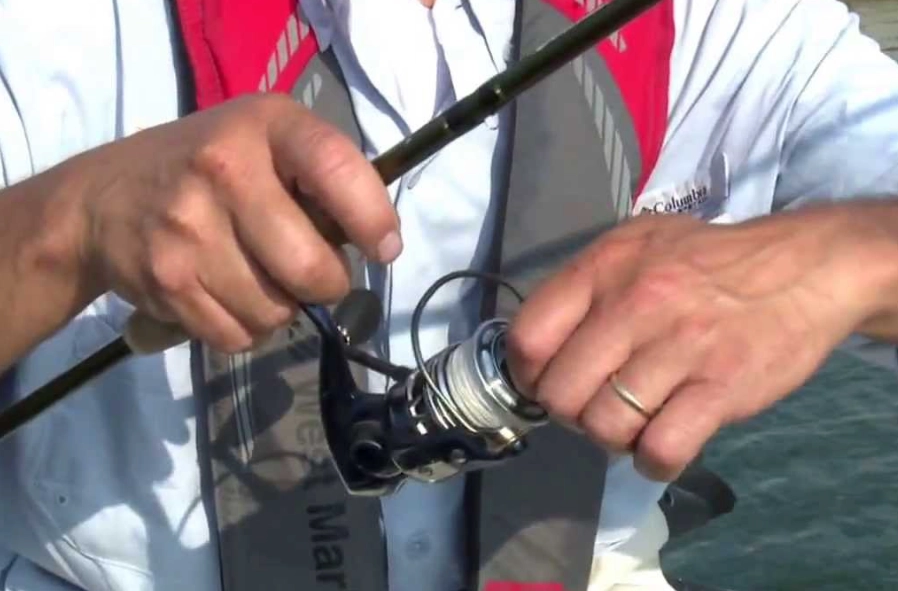
Your Spinning Fishing Questions, Answered
Over the years, I've been asked the same things on the water and online. Here are the real answers.
Spinning vs. Baitcasting: Which is Really Better?
It's not about better; it's about different tools. Spinning reels excel with light lures (under 1/4 oz), are far more forgiving for beginners, and are superior for finesse techniques and casting into the wind. Baitcasters offer more precision and power for heavier lures and techniques like flipping heavy cover. For 80% of freshwater anglers, a spinning setup is the most versatile and user-friendly choice. Don't get caught in the gear snobbery trap. The fishing techniques spinning gear enables are vast and effective.
How Do I Choose My First Spinning Combo?
Keep it simple and versatile. A 7-foot, medium-power, fast-action rod paired with a 2500 or 3000 size reel from a trusted brand like Shimano, Daiwa, or Penn. Spool it with 10-15 lb braid (which acts like 4-6 lb mono in diameter) and learn to tie on a fluorocarbon leader. This setup will handle 90% of what you throw at it in lakes and rivers.
Why Do I Keep Missing Strikes?
You're probably setting the hook too early or too hard. With single-hook lures (jigs, worms), wait until you feel the weight of the fish. Don't set on the first little tap—that's often the fish mouthing it. Then, a firm, upward sweep of the rod is enough. With treble-hook lures (crankbaits, topwater), a simple reel-set (just cranking the reel hard while keeping the rod low) is often more effective than a giant hook-set that can rip the hooks free.
Mastering spinning fishing techniques is a journey, not a destination. It's about building muscle memory, learning to read the water, and understanding what your gear can and cannot do. It's the most accessible form of fishing, but its depth is what makes it endlessly engaging. Start with the fundamentals, practice deliberately, and don't be afraid to experiment. The water is waiting.
For more detailed information on ethical angling practices and conservation, which is every angler's responsibility, a great resource is the U.S. Fish and Wildlife Service's Freshwater Fishing page. They provide crucial info on regulations and species conservation. Another fantastic, beginner-friendly resource for all things fishing is the Take Me Fishing website, which has interactive tools and local guides. For in-depth species-specific techniques that complement spinning gear, the International Game Fish Association (IGFA) world records database is also a fascinating place to see what's possible with light tackle.