What Are the Best Techniques for Fishing? The Ultimate Guide
What are the best techniques for fishing for beginners and pros? Our ultimate guide covers everything from essential gear and bait selection to mastering casting and finding fish, helping you catch more on your next trip.
Quick Guide to Fishing Insights
You know, I get this question a lot. A friend will text me a picture of a shiny new rod they just bought, followed immediately by, "Okay, I have the gear. Now what are the best techniques for fishing?" It's a simple question with a wonderfully complex answer. There's no single "best" technique, and anyone who tells you otherwise is probably trying to sell you something. It's more like asking what's the best way to cook. Depends on what you're making, what tools you have, and frankly, what you enjoy.
But that's the fun of it. Finding your own groove. So, let's ditch the idea of a magic bullet and talk about the real, practical, and effective techniques that will put fish on your line, whether you're staring at a calm lake at dawn or feeling the salt spray on a pier. This isn't about being a purist; it's about being effective and having a good time. We'll walk through the essentials, tackle some common myths, and I'll even share a few blunders I've made along the way (trust me, there have been plenty).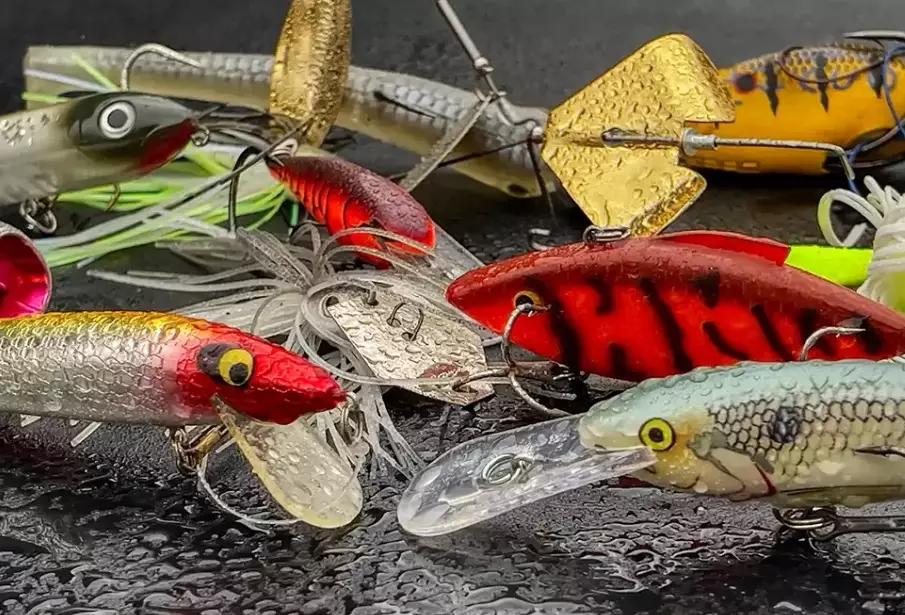
The Core Idea: The best techniques for fishing are the ones that match your target fish, your environment, and your gear. Master the fundamentals first—presentation, observation, and patience—and the rest starts to fall into place.
Before You Even Make a Cast: The Foundational Stuff Everyone Skips
Most people jump straight to lure selection. Big mistake. The real work, the stuff that separates a lucky catch from consistent success, happens before your hook hits the water. If you ignore this, you're just practicing your casting arm.
Scouting and Reading the Water
Water isn't just a flat, blue surface. It's a landscape. Fish are lazy creatures of habit; they want to spend the least energy for the most food and safety. Your job is to find those spots.
Look for changes. A line of darker water might mean a drop-off or a weed bed. A patch of calm water amid a light current is an eddy where baitfish (and predators) gather. Overhanging trees, submerged logs, rock piles, points of land jutting into the lake, the area where a stream enters a pond—these are all fish magnets. I spent a whole season fishing the "deep part" of my local lake with mediocre results before I noticed that the guy who always caught bass was flicking lures under a specific, gnarly dock in the shallow, weedy corner. He was reading the cover, not the depth chart.
Time of day matters immensely. Dawn and dusk are classic feeding times for a reason. The light is low, and fish feel more secure moving into shallower water. On brutally hot, bright days, don't bother with the sun-baked shallows. The fish have likely pulled deep or tucked into the thickest shade they can find.
Gear Talk: It Doesn't Have to Be Complicated
You can spend a fortune, but you don't need to. A medium-action spinning combo (rod and reel) is the perfect, forgiving starting point for almost all freshwater fishing. It can handle a variety of lures and baits. The real key is your line. For beginners, I almost always recommend a simple monofilament line in the 6-10 pound test range. It's cheap, it's forgiving, and it works.
Where people mess up is trying to use heavy, stiff line for everything. If you're using light lures for panfish or trout, heavy line will kill the action and make your presentation look totally unnatural. Match your line to your target and your lure weight. The folks at Take Me Fishing have some great, no-nonsense beginner gear guides that cut through the marketing jargon.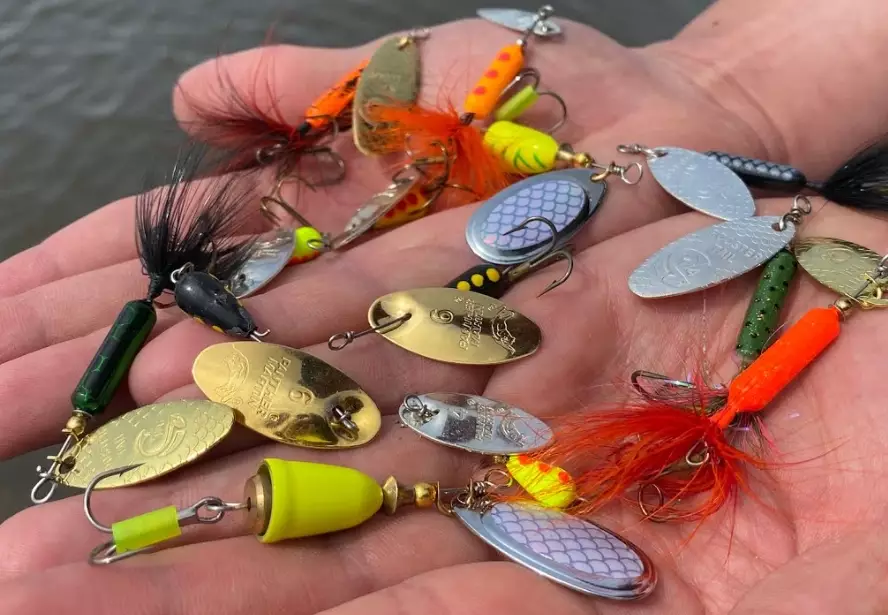
My first "nice" reel was a baitcaster. I was so proud of it. I then proceeded to create the mother of all backlashes—a legendary bird's nest of tangled line—on my first five casts. I went back to my trusty spinning reel for another year before trying again. Start simple.
Breaking Down the Techniques: From Simple to Strategic
Okay, let's get to the meat of it. What are the best techniques for fishing? Here's a breakdown by approach, from dead-simple to more nuanced. Think of this as your toolkit.
The Timeless Art of Bait Fishing (Still-Water & Bottom Fishing)
This is where countless anglers start, and for good reason. It's effective, relaxing, and teaches you patience. You're presenting a natural or prepared bait and waiting for a fish to find it.
- The Classic Bobber Rig: A hook, a split shot weight a few inches above it, and a bobber (float) set to your desired depth. Cast it out near cover and watch. When that bobber dips or shoots under, set the hook! This is perfect for panfish (bluegill, crappie), perch, and even bass and trout. The depth is key—if you're not getting bites, adjust your bobber up or down until you find where the fish are holding.
- Bottom Fishing (The Carolina Rig is King): This is a killer technique for catfish, carp, and bottom-feeding species like suckers. You slide an egg sinker onto your main line, then a bead (to protect the knot), then tie on a swivel. To the other end of the swivel, you tie a leader (a foot or two of line) with your hook. The sinker sits on the bottom, but your bait on the leader can move naturally in the current, keeping it appealing and separate from the heavy weight. It's a subtle but brilliant design.
Bait choice is everything here. Worms (nightcrawlers) are the universal offering. But don't be afraid of cut bait (pieces of fish) for catfish, corn for carp, or even prepared dough baits. Local knowledge wins—ask at the bait shop what's working.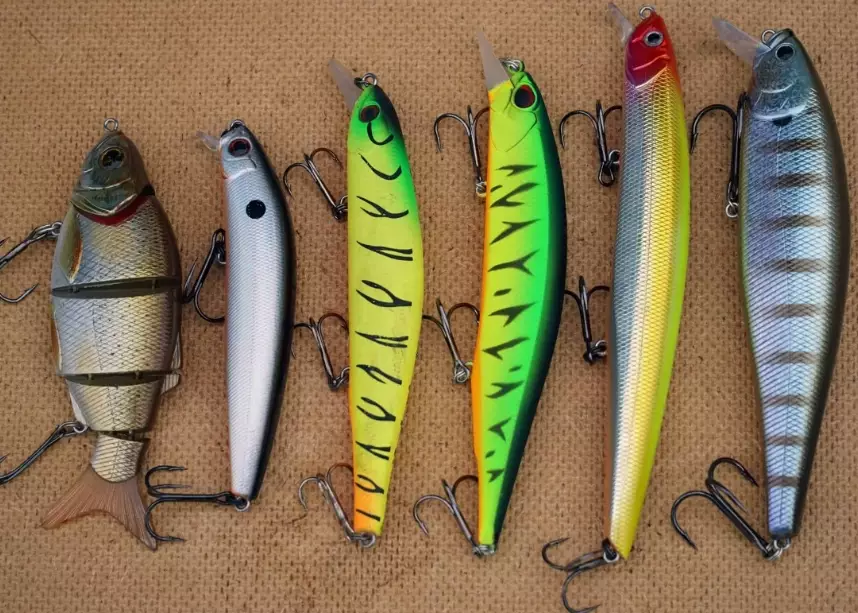
Active Lure Fishing: Making Something Happen
This is where you become the hunter. You're using an artificial lure to imitate prey and trigger a reaction strike. It's more active, and when you get it right, it's incredibly satisfying.
Here’s a quick reference for some of the most effective lure types and how to use them:
| Lure Type | Best For | Retrieve Technique | My Honest Take |
|---|---|---|---|
| Inline Spinner (e.g., Mepps, Rooster Tail) | Trout, panfish, bass, pike | Steady retrieve. The blade spins, creating flash and vibration. | The ultimate search lure. Covers water fast, catches everything. Can snag weeds easily. |
| Soft Plastic Worm (Texas-rigged) | Bass (especially largemouth) | Cast, let it sink. Then lift your rod tip, reel slack, let it sink again ("hopping"). | My go-to when fishing gets tough. Slow, subtle, and deadly. Requires patience. |
| Crankbait | Bass, walleye, pike | Cast and reel at a steady pace. It dives to a specific depth and wobbles. | Great for finding fish at a specific depth. Loud and annoying (to fish). Tires your arm on a long day. |
| Jig (with soft plastic or hair) | Versatile: Bass, walleye, panfish | Vertical jigging off a boat or "swimming" it back with hops and pauses. | Demands finesse. One of the most versatile and effective lures ever, but has a steep learning curve. |
| Spoon | Trout, salmon, saltwater species | Cast and let it flutter down, then jerk it up and let it fall again. | Imitates a wounded baitfish perfectly. Simple, cheap, and devastatingly effective. Can twist your line. |
Pro Tip: The single biggest mistake new lure anglers make is reeling too fast. Fish are curious but cautious. Vary your retrieve. Try the "reel-pause-reel" method. Make that lure look injured or confused. Sometimes the strike comes on the pause, just as the lure starts to sink.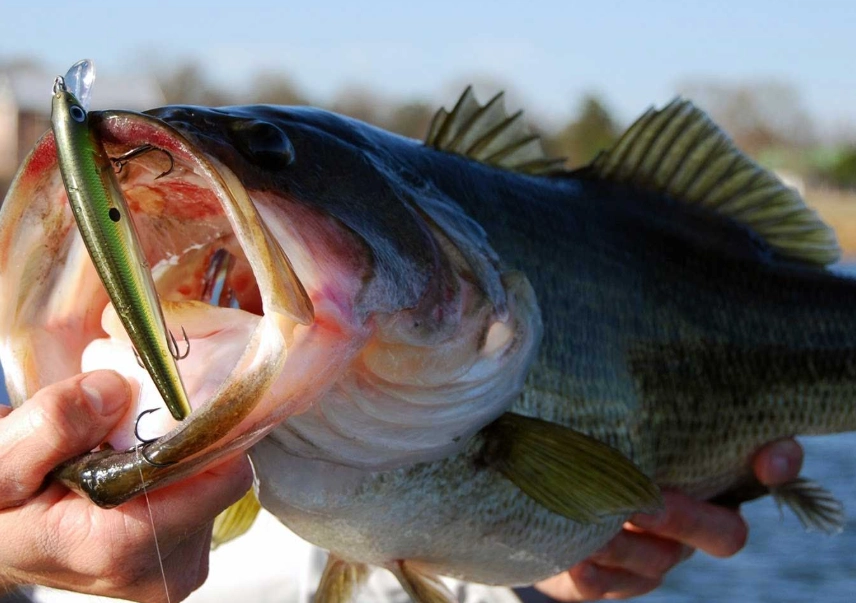
Fly Fishing: It's Not Just for Trout
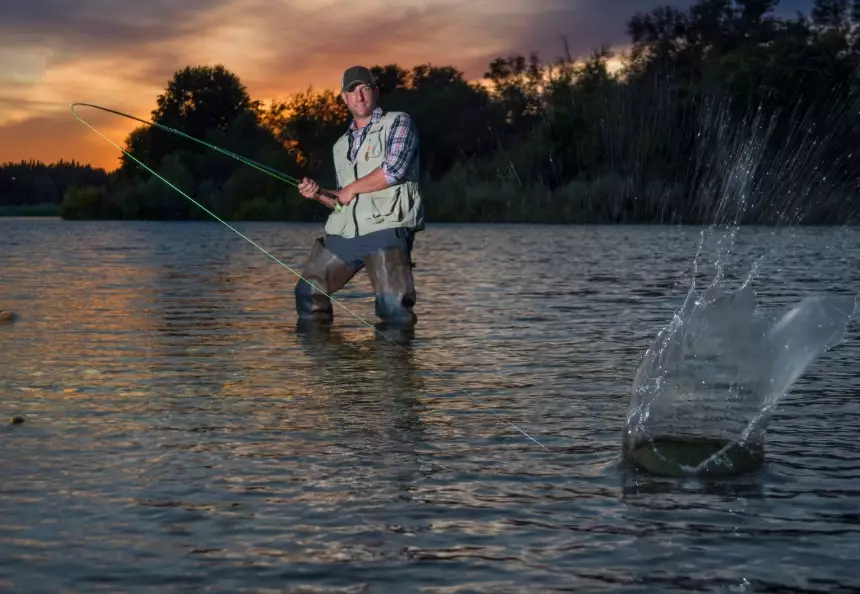
Fly fishing has an intimidating aura, but at its heart, it's just another method of presentation. Instead of using the weight of the lure to cast, you use the weight of the line to deliver a nearly weightless fly. It's incredibly effective for species that eat insects from the surface (like trout) but is also amazing for bass, panfish, and even saltwater species.
The learning curve is real. Casting takes practice. But the payoff is immense—presenting a tiny dry fly to a rising trout and seeing it sip it off the surface is a magical experience. It forces you to understand insect hatches, water currents, and fish behavior on a deeper level. If you're curious, start with a simple outfit and target bluegill in a pond. They're aggressive and will forgive poor casts, letting you focus on the basics of line management and hook setting.
Answering the Real Questions People Have
Beyond the Catch: Ethics and Stewardship
Look, if we want to keep doing this, we have to take care of the resource. This isn't just feel-good talk; it's essential.
Know the regulations. I can't stress this enough. Fishing licenses fund conservation. Size and bag limits are there to ensure healthy fish populations. You can always find the official, up-to-date rules for any state on that state's Department of Natural Resources (DNR) or Fish and Game website. Bookmark it.
Practice catch and release properly, especially for larger breeding fish. If you're going to release a fish, keep it in the water as much as possible. Wet your hands before handling it to protect its slime coat (which is its main defense against infection). Use barbless hooks or crush the barbs on your hooks—they are much easier to remove quickly, causing less harm. Have pliers ready. A quick photo is fine, but don't keep the fish out of water gasping for a prolonged photoshoot. Get it back in the water quickly. A revived fish that swims away strongly is a success.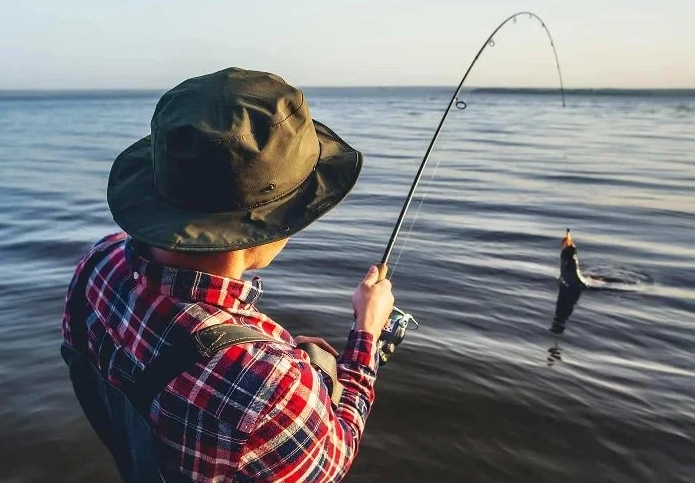
I'll be honest, I used to be pretty careless about this. I'd lip a bass, hold it high for a picture, and toss it back thinking it was fine. Then I saw one I released just float away belly-up later. It was a gut punch. I learned the hard way, so you don't have to.
Putting It All Together: Your Next Trip
So, you're ready to go. Forget trying to master everything at once. Pick one water body, one target species, and one or two techniques from this guide. If you're going to a farm pond for bass, maybe bring a pack of soft plastic worms and a couple of inline spinners. That's it. Focus.
Observe. Start early. Look for cover. Cast near it. If you're not getting bites in an hour, change something. Switch lures. Change your retrieve speed. Move to a new spot. Fishing is active problem-solving.
Ultimately, the best techniques for fishing are the ones you have confidence in. You'll learn through time on the water—the missed strikes, the lost fish, the perfect days where everything clicks. It's a lifelong puzzle, and that's the beauty of it. Don't get bogged down in seeking perfection. Just get out there, pay attention, and enjoy the process. The fish will come.
And hey, if you have a terrible day where you catch nothing but weeds and a sunburn? Welcome to the club. We've all been there. It still beats a day in the office.