A Complete Guide to Fishing Techniques: Casting, Trolling, Fly & More
What are the different types of fishing techniques? Our ultimate guide breaks down freshwater, saltwater, ice, and sport fishing methods with details on gear, bait, and the best scenarios to use each one for a successful catch.
Quick Navigation
So you want to know what are the different types of fishing techniques? Let's be real, it's not just about throwing a line in the water and hoping for the best. It's a whole world out there, from the quiet patience of a bobber on a pond to the raw power of fighting a tuna in the open ocean. I remember my first time trying to fly fish – spent more time untangling line from my hat than actually fishing. A humbling experience, to say the least.
This guide isn't some dry textbook. Think of it as a chat with a friend who's made most of the mistakes so you don't have to. We're going to break down the main ways people catch fish, why you'd pick one over another, and the stuff you actually need to get started. Whether you're a total newbie or just looking to try something new, there's a method here with your name on it.
The Big Picture: Fishing techniques generally boil down to a few key ideas – where you are (shore, boat, ice), what you're using to attract the fish (lure, live bait, artificial fly), and how you're presenting it (still, moving, sinking). The fun is in mixing and matching these ideas for your target.
Starting Simple: The Foundation Methods
Most of us start here. These are the classic, accessible ways to fish that form the backbone of the sport. They answer the basic question: what are the different types of fishing techniques for a beginner?
Still Fishing (Bait Fishing)
This is probably what you picture first. You bait a hook, cast it out, and wait. The bait sits still on or near the bottom. It's simple, effective, and incredibly versatile. You can do this from a dock, a bank, or a boat. The gear is straightforward – a rod, a reel, some line, a hook, a sinker, and a bobber (float) if you want.
The real skill here is in the bait and location. Are you using worms for panfish? Cut bait for catfish? Shrimp for surf perch? I've had days where chicken liver out-fished every fancy lure in my box for channel cats. It's a lesson in humility.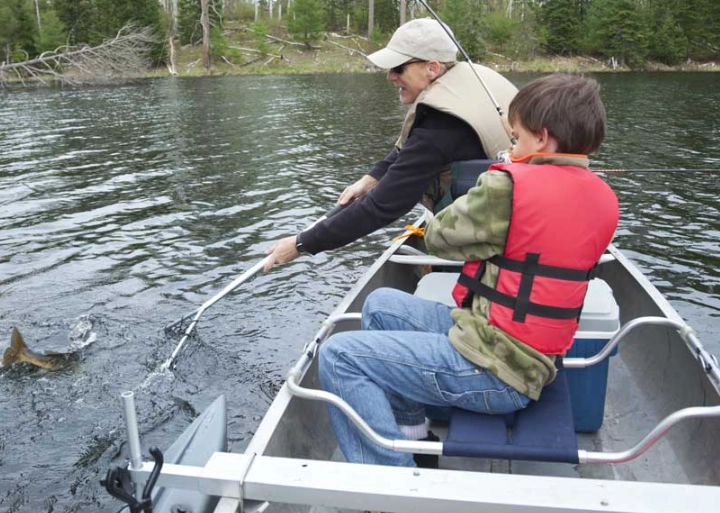
Typical Gear for Still Fishing: Spinning or spincast combo, monofilament line (6-12 lb test), assortment of hooks (sizes 6 to 2/0), split shot sinkers, egg sinkers, round bobbers, live bait or prepared bait.
It's peaceful. It's social. You can have a conversation while you do it. But let's be honest, it can also be... boring if the fish aren't biting. That's when you might start looking at more active methods.
Spin Fishing / Baitcasting (Lure Fishing)
This is where you become the hunter. Instead of waiting, you're actively searching for fish by casting and retrieving artificial lures. The goal is to make that lure look like an injured baitfish, a fleeing crayfish, or something just too tasty to ignore.
You use a spinning reel (easier for beginners, less backlashes) or a baitcasting reel (more precise, better for heavier lures). The rod is sensitive to feel the slightest nibble. This method covers a huge range of sub-techniques:
- Jigging: You lift and drop the rod tip to make a jig (a lead head with a soft plastic or hair body) dance up and down. Killer for bass, walleye, and panfish. It's all about feel.
- Crankbait Fishing: Cast out a hard plastic lure with a lip that makes it dive and wiggle on the retrieve. Set the depth, crank the handle, and hold on. Simple in theory, but choosing the right diving depth and wobble is an art.
- Soft Plastic Worms/Lizards: The classic bass technique. Texas-rig it to be weedless, cast into the slop, and let it sink. That first "thump" on the fall is pure adrenaline.
I love the constant engagement of lure fishing. You're always doing something, always reading the water. But it's also physically demanding and can feel futile if you're not in the right spot. A bad day lure fishing feels like you've just done a full-arm workout for nothing.
So, spinning for action, still fishing for relaxation. Got it. But what if you want to cover more water?
On the Move: Techniques for Covering Water
When fish are scattered, or you're on a boat, staying mobile is key. These methods answer the question: what are the different types of fishing techniques for finding active fish?
Trolling
You drag lures or baited lines behind a slowly moving boat. It's a fantastic way to search large areas of open water for species like salmon, trout, walleye, and offshore pelagics. You can run multiple lines at different depths and distances to figure out where the fish are holding.
The equipment gets specialized here. Downriggers to get lures deep, planer boards to spread lines wide, and line-counter reels to ensure consistency. It's a method that rewards system and planning. The first time I hooked a lake trout on a downrigger set at 80 feet, it felt like I'd discovered a secret cheat code for fishing.
Pro Tip: Speed is everything in trolling. Too fast and some lures won't work right; too slow and others lose action. A good GPS-enabled fish finder and speed sensor are worth their weight in gold. The NOAA Fisheries website has great regional data that can help you locate species and understand their seasonal movements, which is perfect for planning a trolling strategy.
Drift Fishing
Similar idea to trolling, but you let the wind or current move your boat naturally. You present baits or lures just off the bottom. It's incredibly effective in rivers for smallmouth bass or walleye, or in bays for flounder and halibut. You're presenting a natural, effortless meal. The key is controlling your drift speed with a drift sock (sea anchor) and positioning your boat to keep your lines in the strike zone.
It's a relaxed, strategic way to fish. You're working with nature, not against it. But if the wind dies or the current is wrong, you're stuck.
Specialized Arts: Niche Techniques with Devoted Followings
These are the methods people geek out over. They require specific skills and gear, but the payoff is a unique and often deeply satisfying fishing experience.
Fly Fishing
This is the one with the graceful casts and the tiny, hand-tied flies. The goal is to present an nearly weightless artificial fly (imitating an insect, baitfish, or other prey) with such delicacy that it fools a fish. It's predominantly used for trout, salmon, and bass in freshwater, but saltwater fly fishing for species like bonefish and tarpon is the pinnacle for many.
The gear is distinct: a long, flexible fly rod, a heavy line (that carries the weight, not the fly), and a reel that's mostly just for line storage. The casting is a skill in itself – it's not about power, it's about timing and loop control. My first successful dry fly catch on a mountain stream, watching a trout rise to sip my fly off the surface, was magical. All the tangles and frustration vanished in that second.
But it's not all poetry. It can be frustratingly technical, expensive, and you're often limited to shorter casting distances. Wading in cold, fast water also has its... challenges.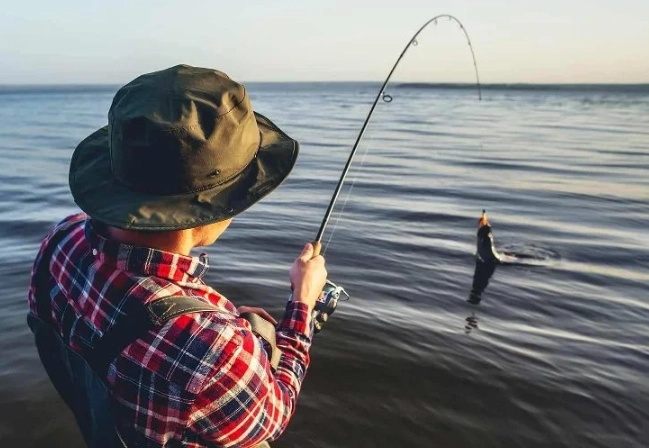
Ice Fishing
Fishing through a hole in the ice. It transforms still fishing and jigging into a winter survival sport. You need an auger to drill holes, a skimmer to keep the hole clear, and either a short rod (jigging rod) or a mechanical tip-up that flags when a fish bites.
The atmosphere is unique. Huddled in a shack or out in the open, it's as much about camaraderie and hot drinks as it is about catching fish. Jigging small spoons or teardrop lures for panfish is an active, fun pursuit. Setting tip-ups with live minnows for pike or lake trout is an exercise in anticipation. That flag snapping up gets your heart racing every time.
Safety First: Ice fishing demands respect. Never go alone. Always check ice thickness (at least 4 inches of clear ice for walking). Conditions can change fast. Resources like your state's Department of Natural Resources website (e.g., the U.S. Fish and Wildlife Service has links to state agencies) provide crucial safety guidelines and regulations.
Surf Fishing / Saltwater Beach Casting
Standing on a beach, casting beyond the breaking waves. You're targeting species like striped bass, bluefish, pompano, and sharks. It requires heavier gear to handle big fish and make long casts – often 10-12 foot rods and conventional or spinning reels loaded with braided line.
You use sinkers to hold bottom in the surf, with baits like clams, squid, or cut fish. Or you can cast and retrieve heavy metal lures (jigs, spoons) for predatory fish. It's a raw, powerful style of fishing. The sound of the surf, the feel of the sand, fighting a fish in the wash – it's addictive. But it's also a workout, and you can go hours without a bite. Patience is part of the deal.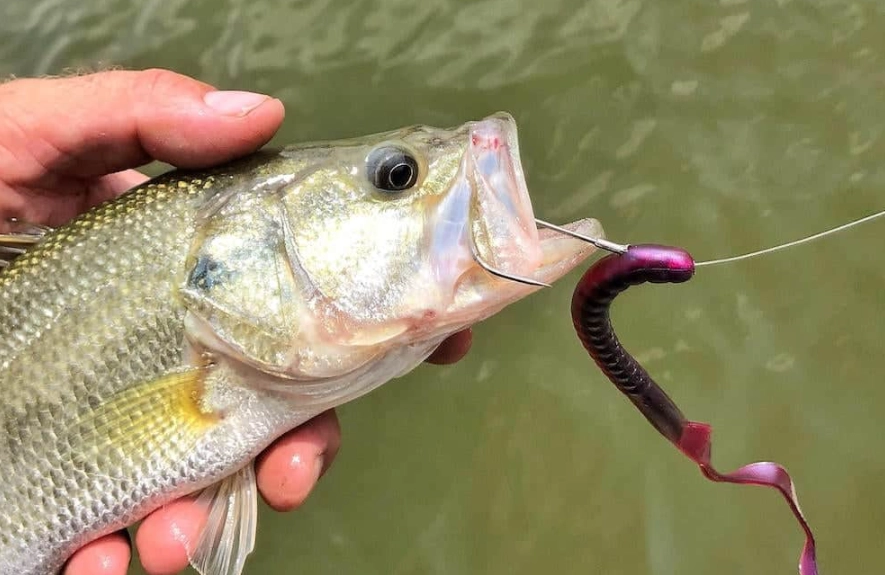
Choosing Your Weapon: A Quick Comparison Guide
How do you even decide? Here's a blunt look at some of the main methods to help you match a technique to your mood and goals.
| Technique | Best For | Gear Complexity | Skill Ceiling | My Personal Take |
|---|---|---|---|---|
| Still Fishing | Beginners, relaxation, family trips, bottom feeders (catfish, carp). | Low | Medium (bait & location knowledge) | The comfortable couch of fishing. Not always exciting, but reliable. |
| Spin Fishing (Lures) | Active hunters, covering water, bass/pike/walleye. | Medium | Very High | Like a video game. Constant action and problem-solving. Can be tiring. |
| Trolling | Boat owners, deep/open water, finding scattered fish. | High (boat needed) | High (electronics, setup) | Feels scientific. Rewards preparation. The "set it and forget it" method that isn't really. |
| Fly Fishing | Purists, technical challenges, trout, sight fishing. | High | Endless | Beautiful and frustrating in equal measure. The most rewarding fish feel earned. |
| Ice Fishing | Winter enthusiasts, social fishing, panfish. | Medium | Medium | More about the experience than the catch sometimes. Bring hand warmers. |
Answering Your Real Questions (The FAQ Part)
What's the easiest fishing technique for a complete beginner?
Still fishing with a bobber. No contest. Get a simple spin-cast combo (the push-button kind), a can of worms, some size 8 hooks, a few small split shot, and a bobber. Find a pond with bluegill or sunfish. Cast near some weeds or a dock. Watch the bobber. When it ducks under, reel. The instant gratification is perfect for learning. It's how I got my kids hooked (pun intended).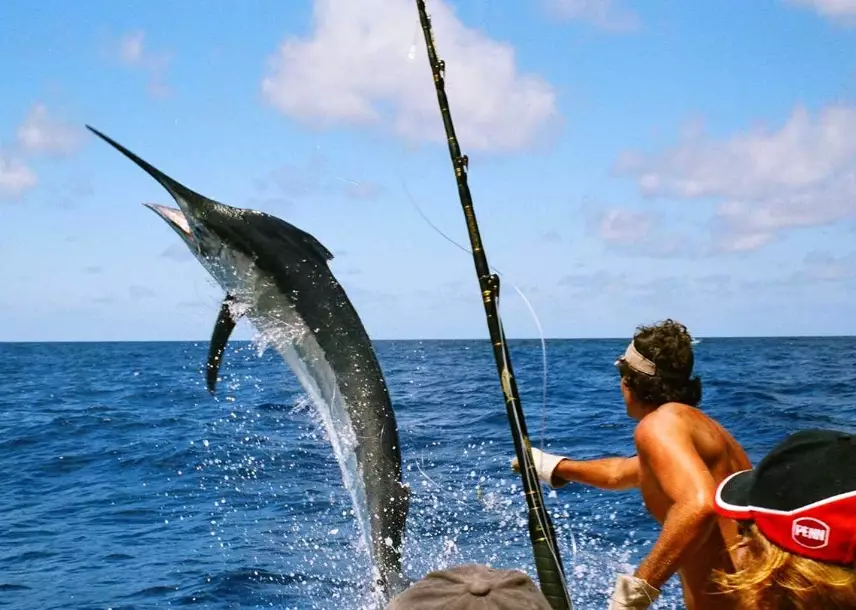
What fishing technique catches the most fish?
This is the million-dollar question with no single answer. It depends entirely on the day, the species, and the water. A skilled angler using the right technique for the conditions will always out-fish someone using the "best" technique poorly. That said, in many general freshwater scenarios, jigging with a soft plastic or still fishing with live bait are consistently high producers because they appeal to a fish's curiosity and hunger in a very natural way. But ask a salmon troller or a bonefish guide, and they'd give you a totally different answer.
Is fly fishing harder than regular fishing?
Yes and no. The initial learning curve for casting is steeper. It feels awkward at first. But once you get the basic motion, catching fish on a fly rod isn't inherently harder. In fact, in some situations (like a trout sipping insects on the surface), it's the only effective method. It's just a different set of skills. "Regular" spin fishing has its own deep complexities – like learning to feel a subtle bite on a Texas-rigged worm in 20 feet of water. They're both challenging in their own ways.
See? It's never just one answer. Fishing loves its "it depends" moments.
What do I need for basic freshwater fishing?
Let's not overcomplicate it. If you're starting from zero:
- A 6 to 7-foot medium-power spinning rod and reel combo.
- 8-pound test monofilament line (it's cheap and forgiving).
- A small tackle box with: an assortment of hooks (sizes 6, 4, 1), some barrel swivels, split shot sinkers, a few egg sinkers (1/4 oz), a couple of round bobbers.
- Bait: Live worms (nightcrawlers) and a pack of artificial soft plastic worms (like a 5" curly tail worm in green pumpkin).
- A pair of needle-nose pliers (for removing hooks).
- A fishing license for your state. Seriously, don't skip this.
With that, you can still fish, cast lures, and figure out what you like. Total cost for a decent starter setup? Maybe $100-$150, not including the license.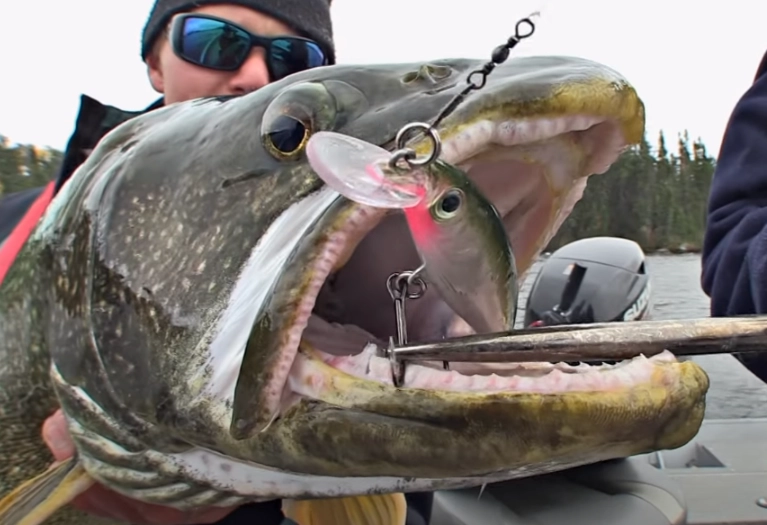
How do I know what fishing technique to use?
Start with the fish. What are you trying to catch? A quick search for "how to catch [fish name] in [your state]" will point you in the right direction. Bass anglers mostly cast lures. Catfish anglers mostly still-fish with bait. Trout anglers might spin fish, fly fish, or still fish depending on the water.
Then, consider your environment. From a small kayak? Probably spin fishing or drifting. From a ocean pier? Probably heavy still fishing or casting lures. On a frozen lake? Ice fishing.
Finally, be honest about your own goals. Do you want to be active or relaxed? Learn a deep skill or just catch dinner? There's no wrong answer, but your choice of technique should fit the answer.
Wrapping It Up: It's About the Experience
Look, at the end of the day, asking what are the different types of fishing techniques is just the first step. It's like asking about different types of cooking. You can boil, fry, bake, or grill. The method matters, but the joy is in the doing – in learning the nuances, feeling the tug on the line, and being outside.
My advice? Don't get paralyzed by choice. Pick one that sounds fun and fits your budget. Start with still fishing or basic spin fishing. Get comfortable. Catch a few fish. Then, let your curiosity guide you. Maybe you see someone fly fishing gracefully and want to try. Maybe you get invited on a friend's boat to troll. That's how it grows.
Every single one of these methods has given me great memories and frustrating days. That's fishing. The point isn't to master them all; it's to find the ones that give you that spark, that connection to the water and the chase. So grab a rod, try something, and see what bites. The water's waiting.