Saltwater Fishing for Beginners: Your Complete Guide to Get Started
Want to try saltwater fishing but don't know where to begin? This complete guide for beginners covers everything from essential gear and best locations to basic techniques and safety tips. Start your fishing adventure today!
Quick Navigation
- Why Even Try Saltwater Fishing?
- Gear Up: The Beginner's Saltwater Fishing Kit
- Where to Go: Best Saltwater Fishing Spots
- The Basic Techniques: Getting Your Bait in the Zone
- Safety & Etiquette: Don't Be "That" Angler
- Your First Saltwater Fishing Trip: A Step-by-Step Plan
- Common Saltwater Fishing Questions from Beginners
- Parting Thoughts: Just Go Fishing
Let's be real for a second. Starting saltwater fishing can feel overwhelming. You see folks on TV hauling in monsters, websites packed with jargon, and aisles of gear that look like they belong on a spaceship, not a pier. Where do you even begin? I remember my first trip. I bought the wrong line, got my lure stuck on a rock I couldn't even see, and spent more time untangling knots than actually fishing. It was frustrating, but man, that first bite from a feisty little sea trout made it all worth it.
This guide is here to cut through the noise. We're not going to turn you into a professional captain overnight. Instead, we'll walk through the absolute basics you need to know to get a line in the water, feel a tug, and have a genuinely good time. Think of this as your friendly, no-BS chat before you head to the coast. Saltwater fishing for beginners doesn't have to be complicated. It's about simplicity, fun, and learning as you go.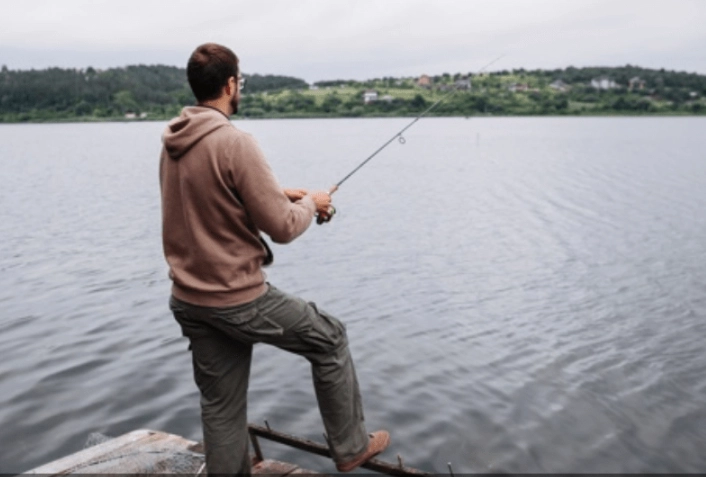
The Core Idea: Your goal on day one isn't to land a trophy fish. It's to understand the process, enjoy the environment, and catch anything. A small whiting or pinfish is a total victory. Celebrate it.
Why Even Try Saltwater Fishing?
Before we dive into gear and techniques, let's talk about the "why." Freshwater fishing is great, but the salt? It's a different beast with a unique pull.
For starters, the variety is insane. You might be targeting flounder one minute and have a bluefish smash your lure the next. You never quite know what's on the end of your line, and that anticipation is a huge part of the thrill. Then there's the setting. The sound of waves, the smell of salt air, the sight of pelicans diving – it’s therapy. It forces you to be present. Plus, let's be honest, there's a primal satisfaction in catching your own dinner from the vast ocean.
But it's not just about the catch. It's a skill-building hobby. You learn about tides, weather, water currents, and fish behavior. It connects you to nature in a very direct way. And for many, it becomes a peaceful solo escape or a fantastic way to bond with friends and family. No screens, just the horizon and your line.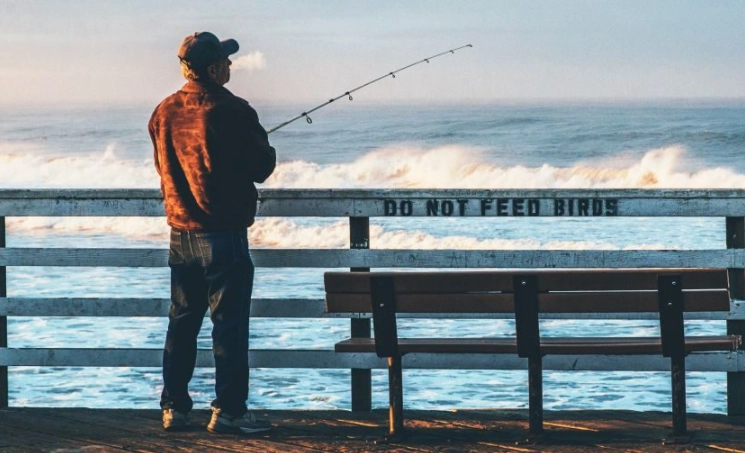
Gear Up: The Beginner's Saltwater Fishing Kit (No Bankruptcy Required)
This is where most beginners panic. You don't need a $500 rod or a suitcase full of lures. You need a simple, reliable setup that works. The key difference from freshwater gear? Saltwater is corrosive. Everything needs to be rinsed with fresh water after your trip, but starting with gear designed for salt helps a ton.
The Rod and Reel Combo: Your Main Tool
For your first foray into saltwater fishing, a medium-power spinning combo is your best friend. It's versatile, forgiving, and easier to use than a baitcasting reel.
- Rod: Look for a 7 to 8-foot medium-power rod. The length helps with casting distance, and the medium power gives you enough backbone to handle a decent fish without being too stiff for smaller ones.
- Reel: A size 4000 or 5000 spinning reel is perfect. The most important spec is the drag system – make sure it's smooth. A jerky drag will snap your line. Brands like Penn, Daiwa, and Shimano make excellent, affordable beginner reels labeled as "saltwater" or "corrosion-resistant."
My personal take? Don't buy the absolute cheapest combo at the big-box store. Those reels often seize up after a few saltwater exposures. Spending a little more upfront ($80-$150 for the combo) saves you money and frustration later. I learned this the hard way with a reel that rusted shut after two trips.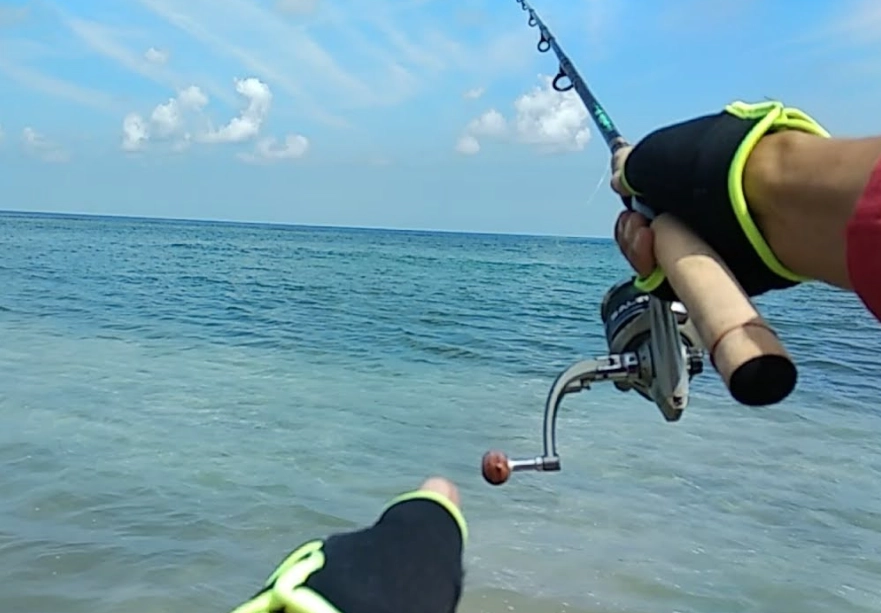
Line, Hooks, Sinkers & Lures: The Essentials
Think of this as your ammunition. You can buy it all at a local tackle shop – the folks there are usually super helpful for saltwater fishing for beginners advice.
Your Starter Tackle Box Checklist:
- Fishing Line: Start with 15-20 lb braided line as your main line. It's thinner, stronger, and has no stretch, so you feel bites better. Attach a 3-4 foot leader of 20-30 lb fluorocarbon or monofilament to the end. The leader is tougher against sharp teeth and shells. A simple double uni knot connects them.
- Hooks: Circle hooks in sizes 2/0 to 4/0. They are safer for fish (and you) and often hook the fish in the corner of the mouth, which is ideal. Also get some J-hooks (same sizes) for certain rigs.
- Sinkers (Weights): Pyramid sinkers (1-3 oz) are great for sand bottoms. Bank sinkers (1-2 oz) are more all-purpose. You'll need weight to hold your bait in the current.
- Lures: Keep it simple to start.
- Jig Heads (1/4 - 1/2 oz) with soft plastic shrimp or paddle tails. Incredibly versatile.
- A couple of spoons (like a Drone or Kastmaster). They mimic fleeing baitfish.
- A topwater plug or popper for explosive surface action (more fun than essential at first).
- Terminal Tackle: A pack of barrel swivels (size 3), some snap swivels, and a variety of bullet weights.
Everything Else You'll Need (The "Oh Yeah" Stuff)
Fishing isn't just about the rod. Forgetting these can ruin your day.
| Item | Why It's Crucial | Beginner Tip |
|---|---|---|
| Pliers (Long-nose) | Removing hooks safely. Saltwater fish have sharp teeth and gills. | Get a pair with a line cutter built-in. Lifesaver. |
| Cooler with Ice | Keeping your catch (or just your drinks) cold. | If you keep fish, put them on ice immediately for better taste. |
| Bucket or Net | Holding bait, or landing a fish if you're on a pier. | A simple $5 collapsible net is great for piers and small fish. |
| Rag or Towel | Your hands will get dirty, slimy, and sandy. | Trust me on this one. |
| Sun Protection | Hat, polarized sunglasses, UPF shirt, sunscreen. | Polarized sunglasses cut glare so you can see into the water. Non-negotiable. |
| License & Regulations Guide | It's the law. Fines are steep. | Check your state's wildlife agency website. They have all the rules on size and bag limits. |
Where to Go: Best Saltwater Fishing Spots for New Anglers
You don't need a boat. Some of the best and most accessible saltwater fishing for beginners happens from solid ground.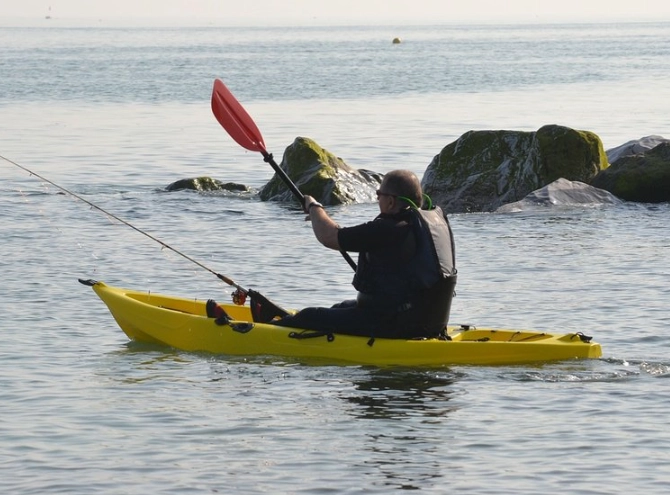
Piers and Jetties
These are your training grounds. They provide access to deeper water, structure that holds fish, and usually have railings to rest your rod. You can see other anglers, ask what's biting, and copy their setups. Public fishing piers are goldmines for learning. Fish the pilings (the vertical posts) – they attract baitfish and predators.
Surf Fishing (The Beach)
This is pure magic. Casting into the waves from a sandy beach. It requires a bit more casting skill to reach the deeper troughs where fish feed. Look for spots where the waves are breaking unevenly, indicating a sandbar or a hole (a "slough"). These are fish highways. A simple fish-finder rig with a piece of shrimp or cut bait is the classic surf setup.
Inlets, Bays, and Estuaries
Calmer, protected waters are often teeming with life. These are nurseries for many species. You can fish from shore, a kayak, or a small boat. The moving water in an inlet during tide changes concentrates bait and predators. It's a fantastic place to learn how tides affect fishing.
Local Knowledge is Key: Stop by a bait and tackle shop near where you'll be fishing. Ask: "What's biting from the shore right now, and what are they biting on?" This simple question gives you intel no website can match.
The Basic Techniques: Getting Your Bait in the Zone
Okay, you have gear and a spot. Now what? Let's talk about the actual fishing part for a beginner saltwater fishing trip.
Bait vs. Lures: A Quick Primer
- Bait (Shrimp, Squid, Cut Fish): Often more effective, especially for passive fishing. It's smelly and natural. Downsides: it's messy, attracts smaller "pest" fish, and you have to rebait often.
- Lures (Plastics, Jigs, Spoons): More active and engaging. You're mimicking prey. You cover more water and often catch more aggressive, larger fish. There's a steeper learning curve on how to work them.
My advice for your first few trips? Use live or dead shrimp on a simple bottom rig. It's almost guaranteed to get you some action, which builds confidence. Then, once you're bored, try a jig.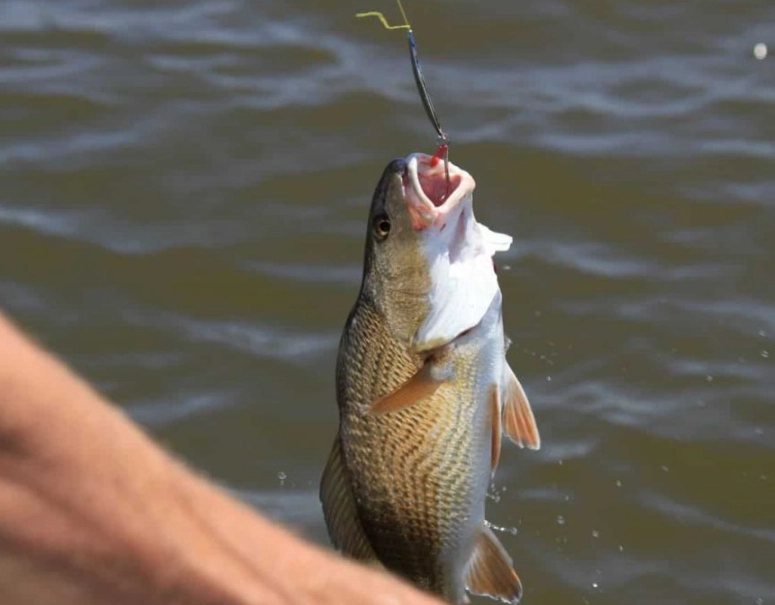
Essential Rigs You Must Know
A "rig" is how you tie your hook, weight, and leader together. Here are two dead-simple ones:
The Carolina Rig: Perfect for sandy or muddy bottoms. The weight slides on the main line above the leader, so a fish can pick up the bait without feeling the weight. Great for species like whiting, redfish, and flounder.
The Dropper Loop Rig: Excellent for fishing straight down from a pier or jetty. It presents one or two baits off the bottom. Catches a wide variety of fish.
How to Actually Fish: The Process
- Casting: Practice in your backyard first (without a hook!). Open the bail, hold the line with your finger, bring the rod tip back, and smoothly swing it forward, releasing your finger as you point at your target. Don't force it; let the rod do the work.
- Waiting & Feeling: After your bait hits bottom, reel up just enough slack so your line is taut. Pay attention. A bite might feel like a series of sharp taps, a steady pull, or your rod tip suddenly jerks. With circle hooks, don't jerk immediately. Let the fish take the bait and start swimming away, then steadily lift the rod to set the hook.
- The Fight: Keep the rod tip up and let the drag on your reel do its job. If the fish is pulling hard and the reel is clicking (drag slipping), that's good! Don't crank the drag down tighter. Pump the rod: lift up to bring the fish closer, then reel down as you lower the rod tip. Repeat.
- Landing & Handling: Be careful. Wet your hands before handling a fish to protect its slime coat. Use your pliers to remove the hook. If you're keeping it, dispatch it quickly and humanely (a sharp blow to the top of the head) and get it on ice. If releasing, support its body horizontally, revive it in the water until it swims away strongly.
See? It's a process, but each step makes sense once you do it.
Safety & Etiquette: Don't Be "That" Angler
This is non-negotiable. The ocean is beautiful but demands respect.
Safety First:
- Watch the Waves: Never turn your back on the ocean. A "sneaker wave" can knock you down.
- Mind the Tides: Check the tide charts. Incoming tides can cut off sandbars you walked out on.
- Weather: If you see lightning, get off the water and away from the beach immediately.
- Sharp Stuff: Hooks are sharp. Fish have spines and teeth. Handle everything with care, especially when removing a hook. A hook in the finger is a sure way to end a trip.
Etiquette is just as important for a good experience.
- Give Space: Don't cast over someone else's line or set up right next to them if there's room.
- Respect the Resource: Follow all size and bag limits. They exist to ensure fish populations are there for everyone in the future. The U.S. Fish and Wildlife Service and state agencies like the Florida Fish and Wildlife Conservation Commission (FWC) provide essential regulatory information.
- Clean Up: Take all your trash, including discarded fishing line, which is deadly to wildlife.
Your First Saltwater Fishing Trip: A Step-by-Step Plan
Let's put it all together. Here’s what a successful first day might look like.
Morning of: Check the weather and tide. Aim for a couple of hours before or after high tide at a local public fishing pier. That's often a productive window.
At the Tackle Shop: Buy a dozen live shrimp, a pack of 3/0 circle hooks, some 1-oz sinkers, and a pre-tied fish-finder rig if they have them (makes it even easier). Ask the clerk how to rig the shrimp.
On the Pier: Find a spot not too crowded. Set up your rod with the pre-tied rig. Hook a shrimp through the horn on its head (just behind the pointy bit). Cast out gently, let it sink, and engage the reel. Put the rod in a holder or lean it on the railing. Sit back, watch the water, and relax.
When You Get a Bite: Watch your rod tip. If it starts bouncing consistently, pick up the rod, point it at the fish, and slowly reel in any slack. When you feel weight, simply lift the rod firmly. Start reeling!
That's the blueprint. Simple, effective, and focused on experience over complexity.
Common Saltwater Fishing Questions from Beginners
Parting Thoughts: Just Go Fishing
Look, you can read articles and watch videos forever (and I hope this one helped). But the only way to truly learn saltwater fishing for beginners is to get out there. You will make mistakes. You will lose tackle. You will get skunked (catch nothing). Everyone does. It's part of the deal.
The goal isn't perfection. It's to be outside, trying something new, and enjoying the process. That tug on the line is just a fantastic bonus. So grab that simple setup, pick a public pier on a nice morning, and make your first cast. The ocean is waiting.
Feel free to revisit this guide as you progress. And remember, the fishing community is generally pretty helpful. Don't be afraid to ask a friendly-looking angler a question. Most of us remember what it was like to start and are happy to share a tip. Now get out there and get your line wet.