A Beginner's Guide to Trout Fishing: Gear, Tips & Where to Start
Ever wondered how to start trout fishing? This complete beginner's guide cuts through the confusion, covering essential gear, simple techniques, and proven tips to help you catch your first trout. Get ready for the stream!
Quick Navigation
Let's be honest, the idea of trout fishing for beginners can feel pretty overwhelming. I remember standing in the tackle shop for the first time, staring at walls of rods, bins of weird-looking lures, and listening to guys talk about hatches and tippets like it was a foreign language. I almost walked right out. But I'm glad I didn't. That first tug on the line from a scrappy little brook trout hooked me for life, and it's way more accessible than those shop veterans made it seem.
You don't need to be an expert with thousands of dollars in gear to catch trout. You just need some solid, no-nonsense advice to point you in the right direction. That's what this guide is for. We're going to strip away the jargon and complexity and focus on what you actually need to know to get started, have fun, and hopefully bring a few fish to hand.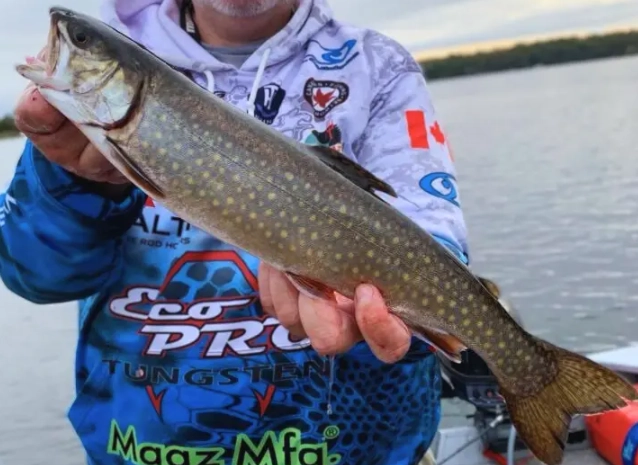
Why Trout? And Is It Really for You?
Before we dive into gear, let's talk about why trout fishing is so special. It's not just about catching dinner (though that's a great bonus). It's about the places it takes you—clear, cold mountain streams, serene alpine lakes, beautiful rivers. It's a reason to be outside in some of the best scenery nature has to offer. The fish themselves are beautiful, smart, and put up a great fight on light tackle. The challenge is real, which makes success that much sweeter.
But it's not always instant gratification. You'll have days where you get skunked. The weather might turn. The water might be too high or too clear. If you're looking for a guarantee of catching a pile of fish every single time, this might test your patience. But if you enjoy problem-solving, learning, and being in beautiful places, you're in for a treat. That's the core of trout fishing for beginners—embracing the learning curve.
The Absolute Basics You Can't Skip
Okay, let's get down to brass tacks. Before you even think about casting, there are a few non-negotiable items.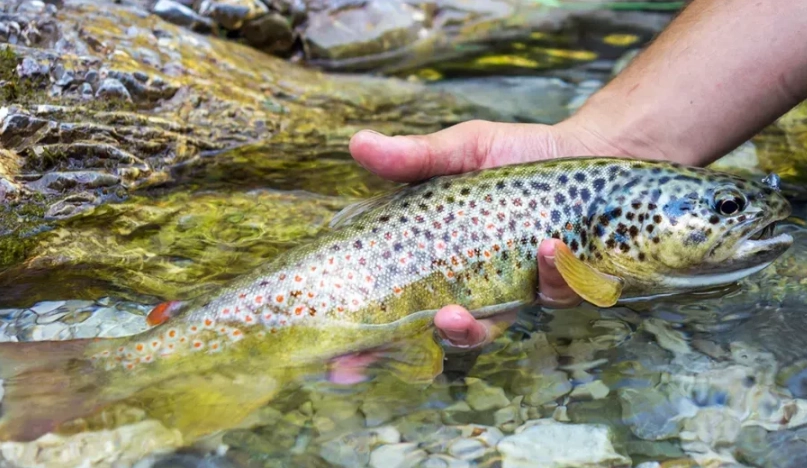
Next up, ethics. Practice catch and release properly if the rules allow you to keep fish. Wet your hands before handling a trout you plan to release. Don't keep them out of the water for a photo marathon. Use barbless hooks or pinch the barbs down on your existing hooks. It makes releasing fish infinitely easier and causes less harm. This stuff matters.
And a quick word on terminology, just so you're not lost:
- Fly Fishing: Using a weighted line to cast a nearly weightless artificial "fly" that mimics insects or baitfish. It's a specific and rewarding skill, but it's not the only way to catch trout. We'll focus more on spin fishing here as it's the easiest entry point for trout fishing for beginners.
- Spin Fishing: Using a rod with a reel that has a fixed spool. You cast a weighted lure or bait. This is our starting point.
- Tackle: Just a general term for your fishing gear—rod, reel, line, lures, etc.
Your First Trout Fishing Setup: A No-Frills Gear Guide
This is where most beginners get paralyzed. You don't need the best of everything. You need functional, reliable gear that won't break the bank or your spirit.
The Rod and Reel Combo
For spin fishing, look for a light or ultra-light power rod. Length is usually between 5 and 7 feet. A shorter rod is great for small, brushy streams. A longer rod gives you better casting distance on lakes or bigger rivers. A 6 to 6.5-foot light-power rod is a perfect all-rounder for trout fishing for beginners.
Pair it with a matching light spin reel. The reel should be spooled with 4 to 6-pound test monofilament line. This light line is crucial—trout have great eyesight, and thick line will scare them off. It also makes fighting the fish more fun.
| Gear Component | What to Look For | Why It Matters for Beginners |
|---|---|---|
| Rod Power | Light or Ultra-Light | Has the right flex to cast light lures and feel subtle bites. Makes small trout feel like champions. |
| Rod Length | 5'6" to 7' | Shorter = better control in tight spots. Longer = easier casting. 6' to 6'6" is the sweet spot. |
| Reel Size | 1000 or 2000 size | Balances well on a light rod. Holds enough light line. |
| Line | 4-6 lb Monofilament | Less visible to fish, casts well, inexpensive. Easy to tie knots with. |
| Knot | Improved Clinch Knot | The most reliable, easy-to-learn knot for tying line to hook or lure. Practice this at home! |
What to Put on the End of Your Line: Bait and Lures
Here's the fun part. You have a few excellent, proven options. My advice? Get a small selection from each category and see what the fish want that day.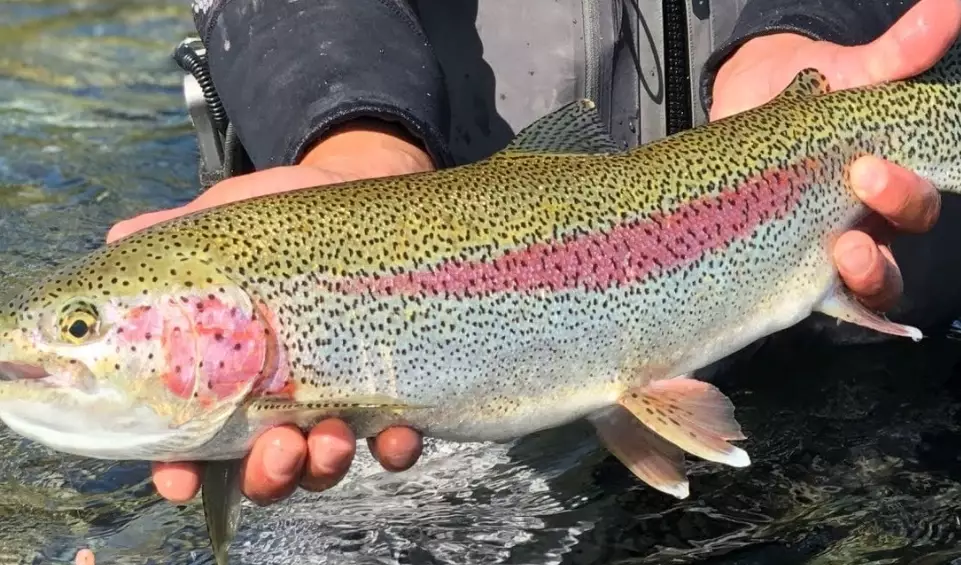
1. Live Bait (The Classic):
Often the most effective method, especially for beginners. Check local regulations first—some pristine trout waters are artificial-only.
- Worms: The universal bait. Use a small piece on a small hook (size 8 to 12). Let it drift naturally along the bottom with a small split shot weight about 12 inches above the hook.
- Salmon Eggs or Dough Bait: Like PowerBait. These float, so you use a small weight to get them down, and the bait floats up off the bottom right in the trout's feeding zone. Deadly in stocked lakes.
2. Artificial Lures (Active and Fun):
These require you to cast and retrieve, covering more water.
- Small Spinners: Like Mepps, Panther Martin, or Rooster Tail in sizes 0, 1, or 2. Silver, gold, and black are great colors. You just cast across the current and reel steadily back. The flash and vibration attract trout.
- Spoons: Like Kastmasters or Little Cleos. They wobble and flash on the retrieve. Great for casting distance in lakes.
- Small Hard Baits: Tiny crankbaits or minnow plugs that dive and wiggle. They can be fantastic.
Okay, You Have Gear. Now How Do You Actually Fish?
Technique is more important than the fancy lure. Let's talk about reading the water and basic presentation.
Finding the Fish (Reading the Water)
Trout don't just sit anywhere. They need oxygen, food, and cover from predators. Look for:
- Current Seams: Where fast water meets slow water. Trout sit in the slow water right next to the fast water, waiting for food to drift by.
- Pools: Deeper, slower water, often at the bend of a river or below a riffle. Big trout like deep pools.
- Undercut Banks & Logjams: Prime hiding spots. Cast right up against them.
- Inflow & Outflow: Where a stream enters a lake, or a spring enters a river. These are food funnels.
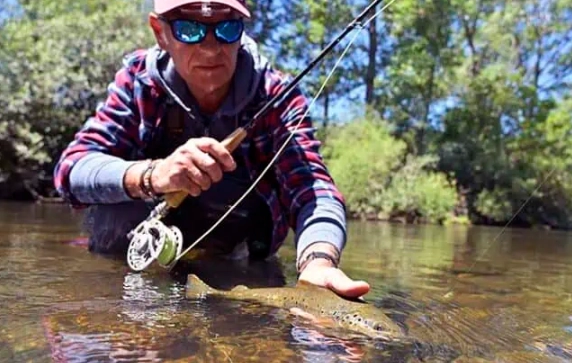
Basic Techniques for Rivers and Streams
With Bait: Use a small split shot weight. Cast upstream or across from where you think fish are. Let the bait bounce along the bottom naturally with the current. Keep your line slightly taut to feel bites, which can be a subtle "tap tap" or just the line stopping. This is a deadly, simple method for trout fishing for beginners.
With Lures: Cast upstream and across. Let the lure sink for a second, then start reeling just fast enough to make the spinner spin or the spoon wobble. The current will help carry it across the prime lies. Most strikes come as the lure swings across the current.
Basic Techniques for Lakes and Ponds
Here, you're often casting from shore. Look for drop-offs, weed edges, or inlets.
With Bait: Use a sliding sinker rig ("Carolina Rig") with floating bait. Cast it out, let it sink to the bottom, and wait. Keep the line fairly tight.
With Lures: Cast out and use a steady, slow retrieve. Vary your speed. Sometimes a stop-and-go retrieve triggers strikes. Early morning and evening are prime times on lakes.
Common Questions from Beginners (The Stuff You're Actually Wondering)
Taking the Next Steps
Once you've caught a few trout on the basic setup, the world opens up. You might want to try fly fishing, or targeting specific species like big brown trout or wild cutthroats. You'll start noticing insect hatches and matching them with flies. It's a deep and wonderful rabbit hole.
But none of that matters on day one. Your only goal for your first trip is to get outside, make some casts, enjoy the scenery, and learn something. If you feel a tug, that's a huge bonus.
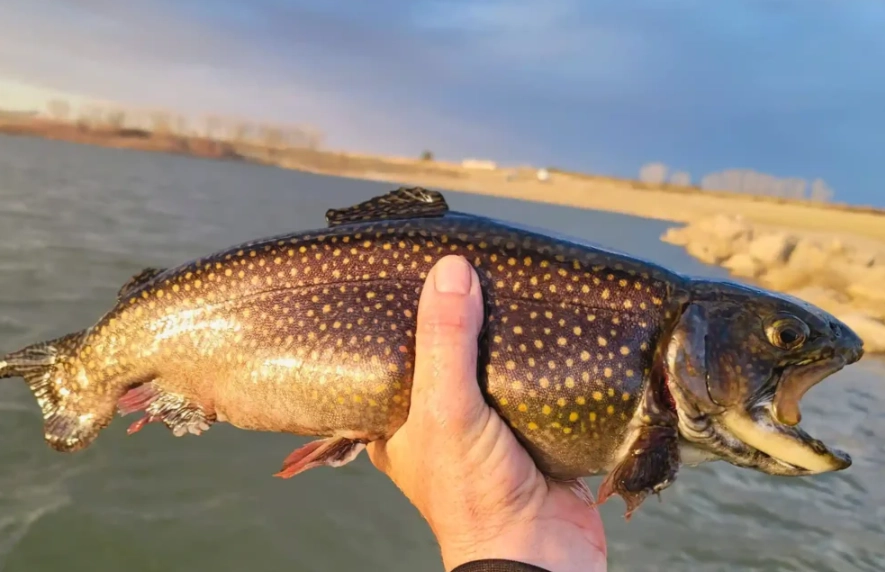
Oh, and one last practical tip. If you're trying to identify a trout you've caught, don't just rely on color—it varies hugely. Look at the spotting patterns and mouth features. A reliable online field guide like the one from the Fishes of Texas project (even if you're not in Texas, it has excellent, clear photos of common species) can be a huge help in knowing what's in your net.