Fishing Tips and Tricks: A Practical Guide for Anglers of All Levels
Want to catch more fish? This complete guide covers essential fishing tips and tricks for beginners and pros alike. Learn about gear selection, bait secrets, reading the water, and advanced techniques to transform your next fishing trip.
Your Fishing Roadmap
- Getting Started: Foundational Fishing Tips You Can't Skip
- Intermediate Skills: Reading Water and Timing
- Advanced Fishing Tips and Tricks: Thinking Like a Fish
- Tackle Box Deep Dive: Beyond the Basics
- Location, Location, Location: Finding Fish Anywhere
- Ethics, Sustainability, and the Future of Fishing
- Answering Your Questions: The Fishing FAQ
Let's be honest. You can buy the fanciest rod and the most expensive lure, but if you don't know a few core fishing tips and tricks, you're just making expensive casts into the water. I've spent more hours than I'd care to admit staring at a motionless bobber, wondering what I was doing wrong. It took years of trial, error, and chatting with old-timers on docks to piece together the knowledge that actually catches fish.
This isn't about making it complicated. It's about simplifying. Whether you're trying to get your kid their first sunfish or you're a seasoned angler looking for that edge, the right piece of advice can change everything. Forget the fluff. We're going to talk about the practical, actionable stuff that works.
Getting Started: Foundational Fishing Tips You Can't Skip
If you're new, this is where you build your base. Skipping these fundamentals is like trying to build a house on sand.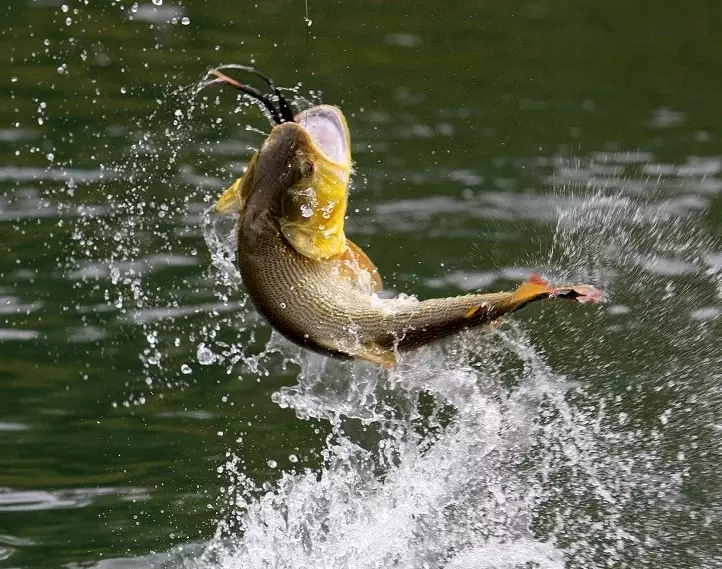
Gear Isn't Everything, But Getting It Right Helps
You don't need to mortgage your house for gear. You need the right gear for the job. A heavy ocean rod for trout in a creek is just silly. Here’s a straightforward breakdown.
| Fishing Type | Recommended Rod Power | Recommended Line (Mono/Fluorocarbon) | Beginner-Friendly Bait/Lure |
|---|---|---|---|
| Panfish (Bluegill, Crappie) | Ultra-Light to Light | 2-6 lb test | Live worms, small jigs, tiny spinners |
| Bass (Largemouth/Smallmouth) | Medium to Medium-Heavy | 8-17 lb test | Plastic worms (Texas-rigged), spinnerbaits, crankbaits |
| Trout (in rivers/streams) | Light | 4-8 lb test | Inline spinners, small spoons, live powerbait |
| Walleye / Pike | Medium | 8-12 lb test | Jigs with minnows, jerkbaits, live leeches |
See? Not so complex. A medium-power, fast-action spinning combo is arguably the most versatile single setup you can own. It can handle a wide range of fishing tips and tricks for freshwater species.
The Knot That Holds Your Fortune
I'll say it bluntly: a bad knot costs fish. You can have perfect presentation, but if your knot fails, it's over. Don't try to learn 20 knots. Master two or three.
The Improved Clinch Knot is your bread and butter for tying line to a hook or lure. It's strong, reliable, and easy to tie even with cold fingers. The Palomar Knot is even stronger and fantastic for braided line, though it uses a bit more line. Practice these at home watching TV. Muscle memory matters when you're on the water.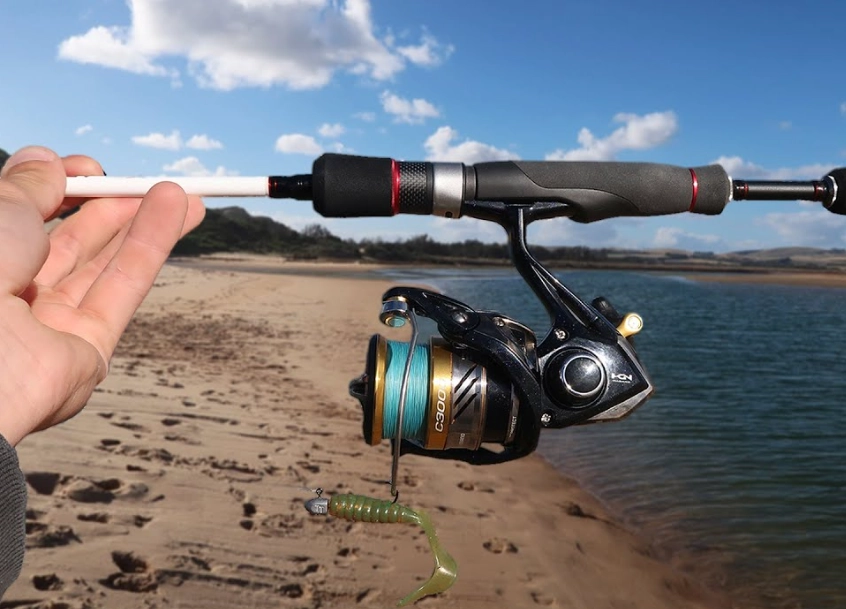
Intermediate Skills: Reading Water and Timing
This is where anglers separate themselves. Anyone can cast. Knowing where and when to cast is the real game.
Fish are lazy and safety-conscious. They want to expend minimal energy for food while avoiding predators. Look for:
- Structure: Logs, rock piles, weed edges, drop-offs. These are fish highways and ambush points.
- Current Breaks: Behind a big rock in a river, the inside of a bend. Fish wait here for food to be delivered to them.
- Shade: Under docks, overhanging trees. On bright days, shade is a major comfort zone.
Time of day is huge. Dawn and dusk are famously productive because low light makes fish feel secure and active. But don't sleep on a sudden weather change. A dropping barometer before a storm can trigger a ferocious bite. Conversely, a bright, bluebird sky after a cold front can make fishing brutally tough—that's when you slow way down and fish meticulously.
Advanced Fishing Tips and Tricks: Thinking Like a Fish
Okay, you've got the basics down. Now let's get into the nuanced stuff, the fishing tips and tricks that make your buddies ask, "How did you know to do that?"
Presentation is King
It's not just what you throw, it's how you make it move. A plastic worm dragged straight in is boring. Hopping it, shaking it, letting it sit—that's interesting. Match your retrieve to the conditions and the fish's mood. Cold water? Slow, subtle movements. Warm, active fish? A faster, more erratic retrieve.
One of my favorite advanced tricks is “dead-sticking.” After casting a soft plastic or a jig, just let it sit. Don't touch it for 30 seconds, even a minute. The urge to twitch it is overwhelming, but often, the strike comes when the bait is doing absolutely nothing. It drives me crazy, but it works.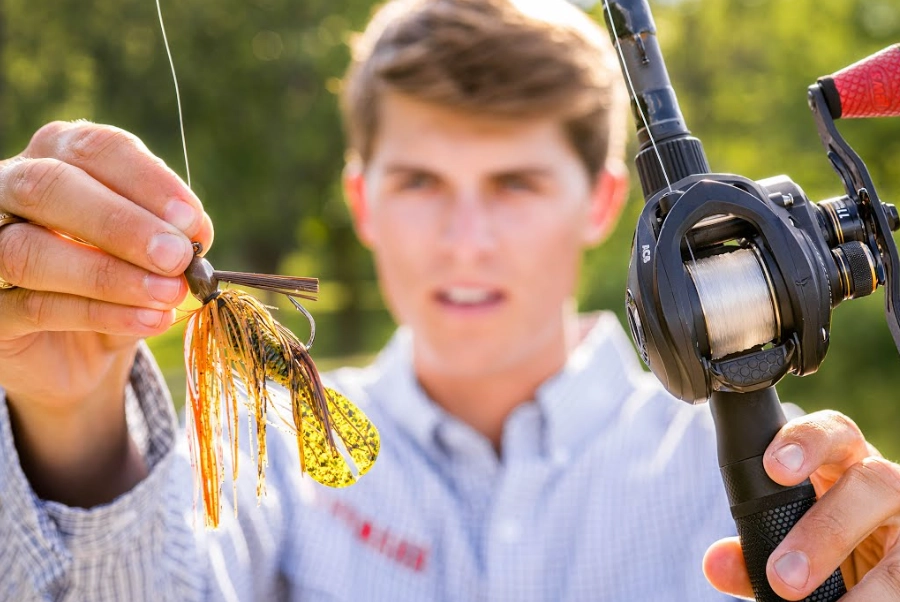
Stealth Mode: Activated
Fish are sensitive. They feel vibrations through their lateral line. They see shadows and movements. In clear, shallow water, your approach is critical.
- Wear muted clothing (no bright reds or yellows on the bank). Avoid stomping on the bank or dropping tackle boxes. >Keep your rod low to the water when approaching a spot. >Consider longer casts to avoid spooking fish in the shallows.
I learned this the hard way fishing a crystal-clear smallmouth bass river. I'd wade right into the prime runs, sending fish scattering upstream. Once I started staying lower, moving slower, and casting ahead of my position, my catch rate tripled.
Tackle Box Deep Dive: Beyond the Basics
Let's get specific about what to actually tie on your line. This is where personal preference mixes with proven science.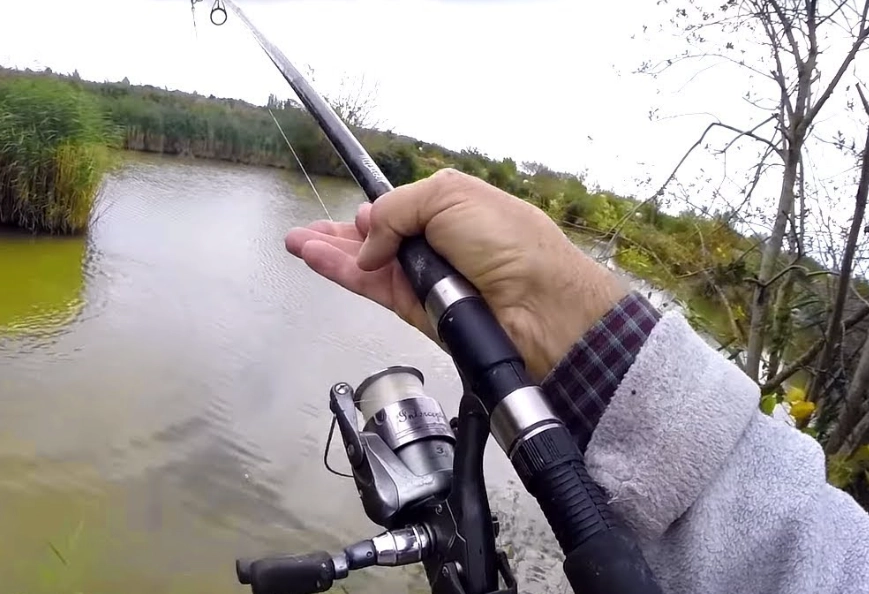
The Live Bait Advantage (And Its Downsides)
Nothing is more natural than live bait. A lively minnow or a wriggling worm is an irresistible scent and movement package. For many species like walleye, crappie, or catfish, it's often the most consistent producer. The trick is keeping it alive and presenting it naturally. Use the right size hook (not too big) and hook it in a way that allows it to move. For minnows, hooking through the lips or just behind the dorsal fin works well.
But live bait is messy, requires maintenance, and in some places, it's regulated. You can't just transport bait from one waterbody to another due to invasive species risks. Always check local regulations from sources like your state's Department of Natural Resources website (for example, the U.S. Fish and Wildlife Service has great resources on aquatic nuisance species).
Lure Selection: A Mini-Guide
Lures are designed to imitate prey and trigger strikes. Here's a quick rundown of major categories:
- Spinnerbaits & Inline Spinners: Vibration and flash. Great for covering water and fishing in stained water or around weeds. Almost impossible to fish wrong.
- Crankbaits: Diving plugs that mimic baitfish. The bill determines diving depth. Bounce them off rocks and wood for reaction strikes.
- Soft Plastics (Worms, Craws, Creatures): Incredibly versatile. You can rig them weightless, Texas-rigged (weedless), Carolina-rigged, etc. The action comes from you.
- Topwater (Poppers, Walkers, Frogs): The most exciting bite! Best at dawn/dusk on calm days. Requires patience—wait a second after the splash before you set the hook.
Location, Location, Location: Finding Fish Anywhere
You can have all the right fishing tips and tricks, but if you're not around fish, it's a scenic boat ride. Here's how to find them without fancy electronics (though a good fish finder is a game-changer if you have a boat).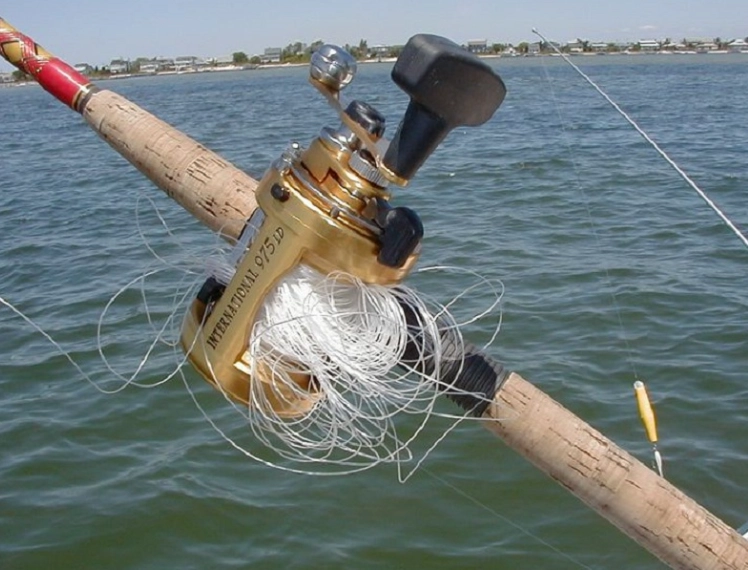
For lake fishing, focus on transitions. Where does a sandy bottom turn to mud? Where do shallow flats drop into a channel? These are feeding zones. Points of land that extend into the lake are almost always productive, as fish cruise along them. In summer, look for deeper, cooler water or areas with springs. In spring and fall, focus on the warmer shallows.
For river fishing, current is the key. Fish face upstream, waiting for food. Look for seams where fast water meets slow water. The eddy behind a large rock or a fallen tree is a prime holding spot. Deeper pools at the end of a riffle are like fish hotels.
Don't ignore man-made structures. Docks, bridge pilings, and rip-rap (rock walls) hold bait and provide shade and cover. They're fish magnets.
Ethics, Sustainability, and the Future of Fishing
This is the most important section. If we want our kids to enjoy this, we have to be stewards. Good fishing tips and tricks aren't just about catching; they're about conserving.
Know the regulations. Size limits, bag limits, and seasons exist for a reason—to ensure healthy fish populations. They're based on science. Your local wildlife agency's website is the law. I'm a fan of practicing selective harvest. Keep a few for a fresh meal if that's your goal, but consider releasing larger, breeding-sized fish to sustain the population. Use barbless hooks or crush the barbs for easier, less damaging release.
Handle fish with care if you release them. Wet your hands before touching them to protect their slime coat. Don't keep them out of the water for a marathon photo session. Use proper release tools like pliers to quickly remove hooks. If a hook is deep, it's often better to cut the line as close as possible rather than tearing it out; it will dissolve or work itself out. Organizations like Take Me Fishing promote great catch-and-release practices.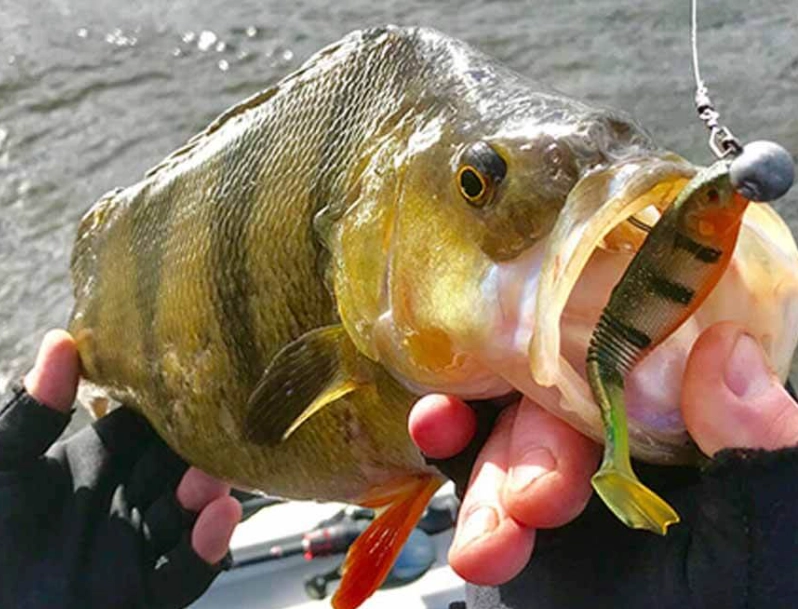
Answering Your Questions: The Fishing FAQ
Look, at the end of the day, fishing is part skill, part puzzle-solving, and a whole lot of just being outside. The best fishing tips and tricks in the world won't help if you're not enjoying the process. Pay attention to the details—the knot, the cast, the retrieve, the weather. Be patient. Be observant. And don't be afraid to break the “rules” once you know them. Sometimes the weirdest, least-recommended tactic is what gets the bite on a tough day.
Now go get your line wet. And maybe keep that hook a little sharper than I did when I started.