Master Trout Fishing: Essential Tips for Lures, Flies & Rigs
Want to catch more trout? This ultimate guide covers everything from choosing the right tackle to reading the water and mastering presentation techniques for both fly and spin fishing. Discover proven trout fishing tips that actually work.
Quick Guide
Let's be honest. You've probably read a dozen articles full of generic advice like "fish where the fish are." Not helpful. I've spent more hours than I'd like to admit standing in cold water, getting skunked, before things finally clicked. This isn't about fancy jargon. It's about the stuff that makes you catch more trout, whether you're fly fishing a remote stream or tossing spinners in a local lake.
The real secret? There isn't one magic bullet. It's a puzzle. Water temperature, light, what the trout are eating that day, and how you present your offering. Miss one piece and you might as well be home on the couch. But get them lined up, and it feels like you've cracked the code.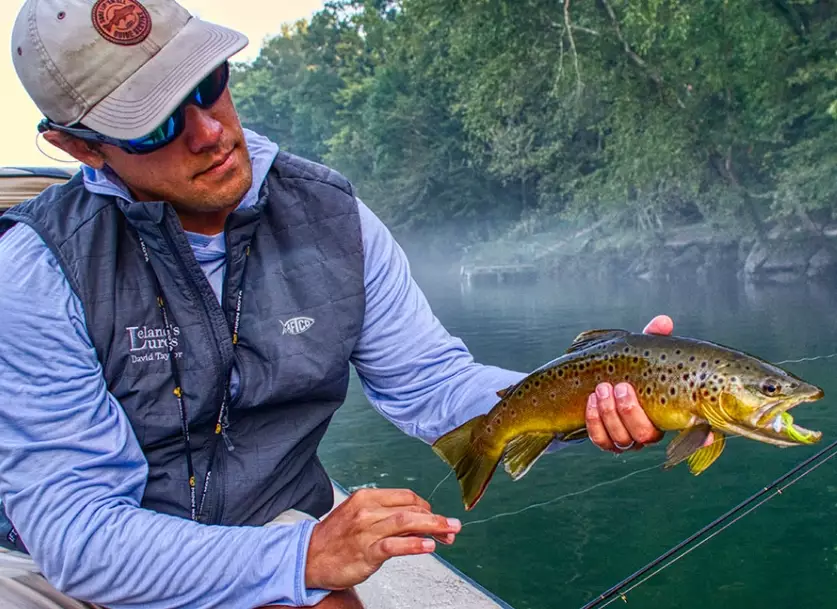
The Core Principles: What Trout Really Care About
Forget everything else for a second. If you don't get these three things right, the rest of the trout fishing tips won't matter much.
First, trout are lazy. I mean, wouldn't you be if you lived in a constant current? They want maximum calories for minimum effort. That means holding in spots where the current brings food to them, without fighting too hard. Think seams between fast and slow water, behind rocks, or along undercut banks.
Second, they're paranoid. Everything wants to eat them. Herons, otters, bigger fish. They have a 360-degree view upwards because of the water's surface acting like a lens (it's called Snell's Window, look it up). A heavy footfall on the bank, a line shadow zipping over their head, a weird retrieve – they're gone. Stealth isn't optional; it's the game.
Third, they're cold-blooded. Their metabolism is tied directly to water temperature. The U.S. Fish and Wildlife Service notes that different trout species have optimal temperature ranges. Rainbow trout are happiest around 55-60°F (13-16°C). Brown trout can handle slightly warmer. Brook trout need it colder. When the water's cold, they're sluggish. When it's too warm, they're stressed and won't feed. A simple thermometer is one of the most powerful tools you can own.
Gear Talk: Choosing Your Weapons Wisely
Walk into a tackle shop and the wall of lures, flies, and rods is overwhelming. You don't need it all. You need the right stuff for your situation. I've bought my share of lures that looked cool in the package and never caught a thing.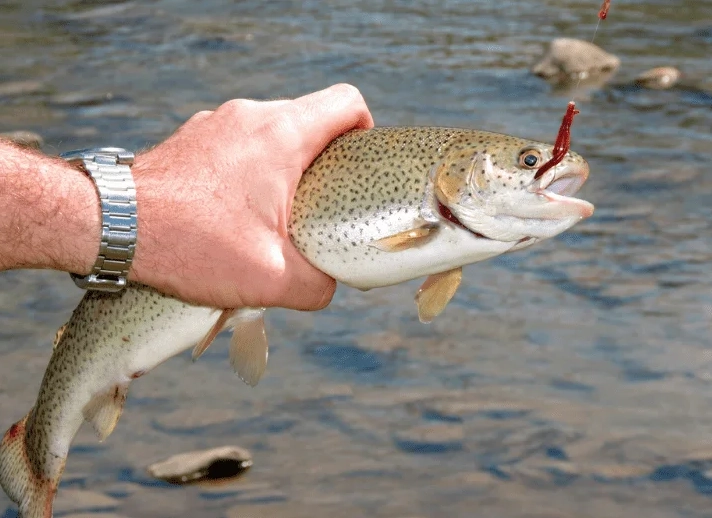
The Spinning Rod Setup (For Beginners & Versatility)
This is where most people start, and it's deadly effective. A 6 to 7-foot light or ultralight rod paired with a 1000 or 2000 size reel is perfect. Spool it with 4-8 lb test monofilament or fluorocarbon. Fluorocarbon is less visible underwater, which matters a lot with line-shy trout.
The lure selection is where people go wrong. They have one box with 50 different things. Better to have a small selection of proven winners. Here’s a breakdown of the absolute essentials:
| Lure Type | Best For | Key Colors/Patterns | My Personal Go-To |
|---|---|---|---|
| Inline Spinners (Rooster Tail, Mepps) | Active trout in streams & lakes. Great search lure. | Silver, Gold, Black with yellow dots. | #1 Mepps Aglia in silver. It just works. |
| Small Spoons (Kastmaster, Little Cleo) | Deeper water, casting distance, imitating baitfish. | Gold/Red, Chrome/Blue. | 1/8 oz Kastmaster. Casts a mile and flutters beautifully. |
| Plug/Minnow Lures (Rapala Countdown) | Suspending at a specific depth. Finicky trout. | Natural perch, silver/black. | Floating Rapala F7 in perch. Twitch, pause, twitch. |
| Soft Plastics (Trout Worms, Grubs) | Slow, finesse presentations. High-pressure waters. | Pink, Chartreuse, Motor Oil. | Berkley PowerBait Trout Worm on a small jig head. |
See? You don't need a museum of lures. A handful of these will cover 90% of situations. The real trout fishing tips come from how you use them.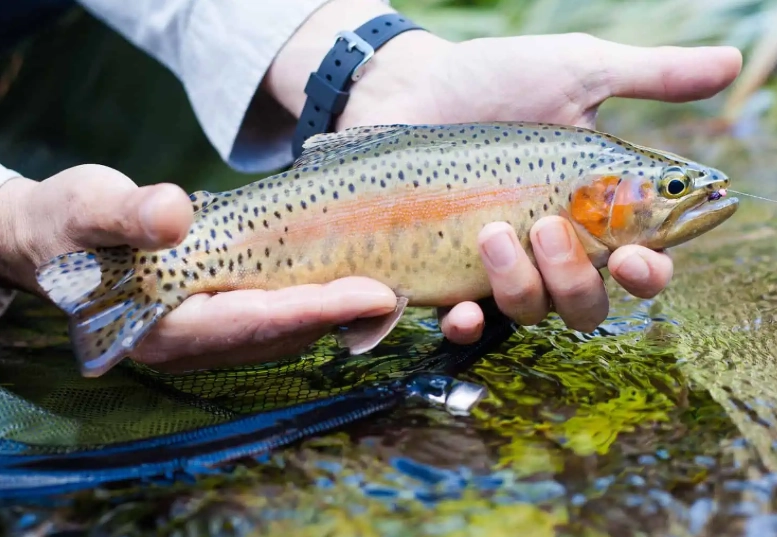
The Fly Fishing Setup (The Deep End)
I love fly fishing. It's also incredibly frustrating. If you're starting, a 9-foot, 5-weight rod is the universal tool for trout. Pair it with a weight-forward floating line. Leaders and tippet are a whole science, but start with a 9-foot 4X leader for dry flies and nymphs.
- Dry Flies: Parachute Adams (size 14-18), Elk Hair Caddis (14-16), Stimulator (10-12 for attractor).
- Nymphs: Pheasant Tail (16-20), Hare's Ear (14-18), Zebra Midge (18-22). Weighted or with a split shot.
- Streamers: Woolly Bugger (black/olive, size 8-10), Clouser Minnow (small).
Trout Fishing Tips for Different Water
This is the big one. A lake trout and a river trout live different lives. Your approach has to change.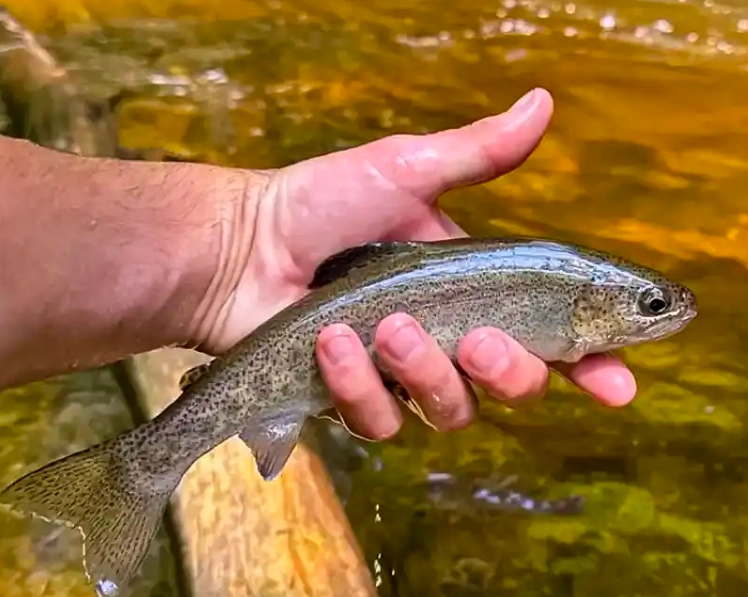
River & Stream Strategies
Read the water. Look for the breaks in the current. Those are trout hotels.
Pocket Water: Those rocky, bubbly stretches. Fish the downstream side of big rocks first. Cast upstream and let your lure or fly drift down naturally into the pocket. A drag-free drift is the holy grail here. If your line is pulling your fly faster than the current, it looks fake. Trout know.
Riffles: The shallow, choppy water at the head of a pool. Oxygenated and full of food. Fish it systematically, working from the tail up. Small spinners or nymphs work great here.
Pools & Runs: Deeper, slower water. This is where the bigger, smarter trout often hold. Approach quietly from downstream. This is prime dry fly territory in the evening, or nymphing during the day. Cast to the edges, the seams. Don't just plop it in the middle.
I remember one evening on a small creek, casting a dry fly to a slick pool for over an hour with no luck. I finally sat down, frustrated. That's when I saw a tiny dimple right against the far bank under an overhanging branch. One careful cast later, and a beautiful 16-inch brown trout ate it. They're always in the cover.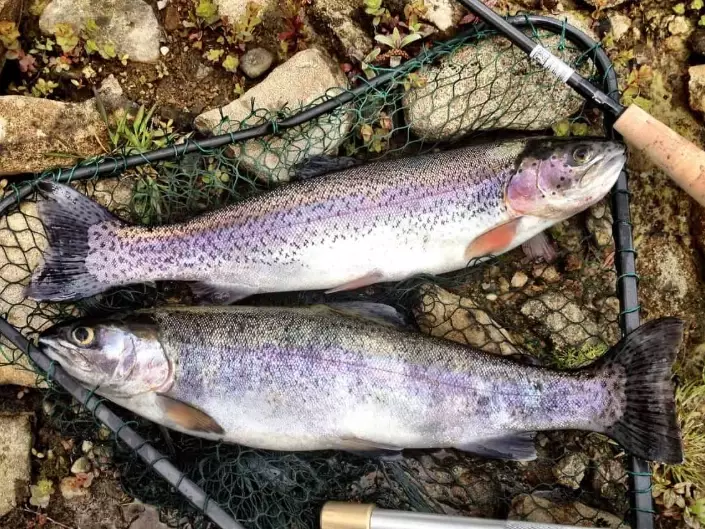
Lake & Pond Strategies
Still water is about finding depth and structure. Trout will move based on temperature and food.
Spring & Fall: They're often shallow, near inlets, outlets, or weed edges where food is plentiful. Casting from shore with spinners or spoons can be excellent.
Summer & Winter: They go deep to find their comfort zone. This is where trolling or still-fishing with bait or weighted rigs comes in. You need to get your offering down to their level. A temperature probe or finding the thermocline is key. If you're bank fishing, focus on the deepest holes you can find, especially near drop-offs.
One of the most underrated trout fishing tips for lakes is to fish the "first light" and last light. That low light triggers aggressive feeding, and trout will often cruise the shallows even in summer.
Presentation: The Make-or-Break Skill
You can have the perfect lure in the perfect spot. If you work it wrong, nothing happens.
For Spinners & Spoons: Vary your retrieve. Don't just crank it in at one speed. Try a steady medium retrieve. Then try a slow roll with occasional pauses. Sometimes a fast, erratic retrieve triggers a reaction strike. The classic "countdown" method: cast, let the lure sink while you count (1-one-thousand, 2-one-thousand...), then start retrieving. This helps you find what depth they're holding at.
For Fly Fishing: The drift is everything. Mend your line! That means flipping the belly of your fly line upstream to prevent the current from dragging your fly. It takes practice. Watch your fly line like a hawk. Any pause, twitch, or unnatural movement downstream could be a strike. Set the hook upstream.
Why aren't they biting?
It happens to everyone. First, check the water temperature. If it's way outside the ideal range, they might just be shut down. Second, go smaller and slower. Downsize your lure or fly, use lighter line, and slow your presentation to a crawl. Third, change colors. If it's bright, try natural/silver. If it's overcast, try something brighter like chartreuse or gold. And fourth, just move. If you've worked a spot thoroughly with no follows, don't waste half your day there. There are other trout.
Essential Trout Fishing Tips: The Little Things
These are the details that separate an okay day from a great one.
- Sharp Hooks: Check and sharpen your hooks before you go. A dull hook costs fish. I use a small diamond file.
- Knots: Learn three knots well: the Improved Clinch Knot (for terminal tackle), the Palomar Knot (strong and easy), and the Surgeon's Knot (for joining leader/tippet). Practice at home.
- Polarized Sunglasses: Not a fashion statement. They cut the glare so you can see into the water, spot fish, structure, and follows. Essential.
- Net with a Rubber Bag: Mesh nets tear fins and remove protective slime. A rubber net is gentler on the fish, especially if you're practicing catch and release. It also doesn't tangle hooks as badly.
Answering Your Questions (The Stuff You Actually Google)
At the end of the day, the best trout fishing tips are the ones you earn through time on the water. Pay attention. What worked today? What didn't? Keep a simple log: date, location, weather, water temp, what caught fish. Over time, you'll see patterns no article can give you.
Look, I've given you a lot of information here. Don't try to remember it all at once. Pick one thing. Maybe this weekend, focus on reading the water better. Next time, work on varying your retrieve. The puzzle pieces will start to fit. And when they do, and you feel that solid pull on the line, it all makes sense. Now get out there and get your line wet.