The Number One Rule of Fishing: Patience & Beyond
What is the number one rule of fishing? We reveal the essential principle that every angler must know, plus expert tips on bait, tackle, and techniques to transform your fishing success.
In This Article
- Why Patience Isn't Just Waiting (And Why It's So Hard)
- The Practical Toolkit: What to DO While You're Being Patient
- Beyond the Mindset: The Supporting Cast of Essential Rules
- Breaking It Down By Fish Type: Patience Wears Different Hats
- The Gear That Actually Supports Patience (It's Not What You Think)
- Answering Your Real Questions (The FAQ We All Think About)
- Putting It All Together: Your Day on the Water
- The Final Takeaway
Let's cut straight to the chase. You've heard it a million times, from your grandpa on the dock to that guy on YouTube with all the fancy gear. The answer everyone gives is always the same: patience. And honestly? They're not wrong. If you ask any seasoned angler "what is the number one rule of fishing," nine times out of ten, "patience" is the word that comes out of their mouth first. It's the universal truth, the foundational pillar.
But here's the thing I've learned after years of getting skunked, tangled, and sunburned. If you just stop at "be patient," you're only getting half the story. It's like saying the secret to baking a cake is to "use an oven." True, but not terribly helpful on its own.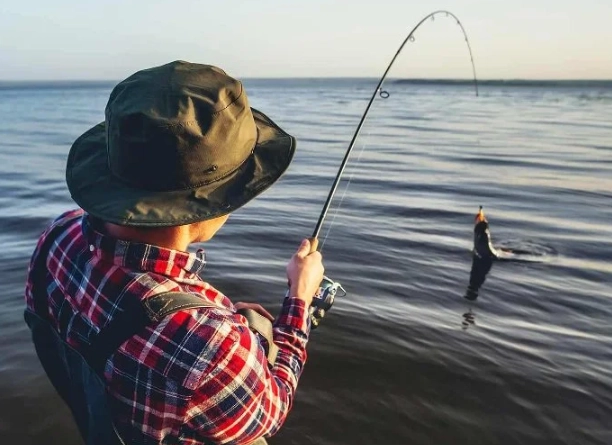
The Core Answer: The number one rule of fishing is cultivating deep, active patience. It's not passive waiting; it's an engaged state of observation, adaptation, and persistence while understanding that success is dictated by factors largely outside your control (fish behavior, weather, water conditions).
See, the real magic happens when you unpack what that kind of patience actually looks like on the water. It's not just sitting there zoning out. It's a whole mindset.
Why Patience Isn't Just Waiting (And Why It's So Hard)
This is where most beginners, myself included years ago, get it twisted. We think patience means enduring boredom until something happens. That's a recipe for frustration. True fishing patience is active. Your brain is on, even if your line is still.
You're watching the water for subtle ripples or bird activity. You're feeling the rod tip for the tiniest tap-tap that isn't just the current. You're mentally running through a checklist: Is my bait presented naturally? Should I slow my retrieve? Is the sun angle putting my shadow on the water? That's the work. The fish biting is the reward for that work.
Organizations like the American Fisheries Society don't publish papers on "patience," but their research into fish behavior and ecology underscores why it's necessary. Fish aren't machines. Their feeding windows, preferred depths, and activity levels shift with barometric pressure, light, and water temperature. You can't force your schedule on them.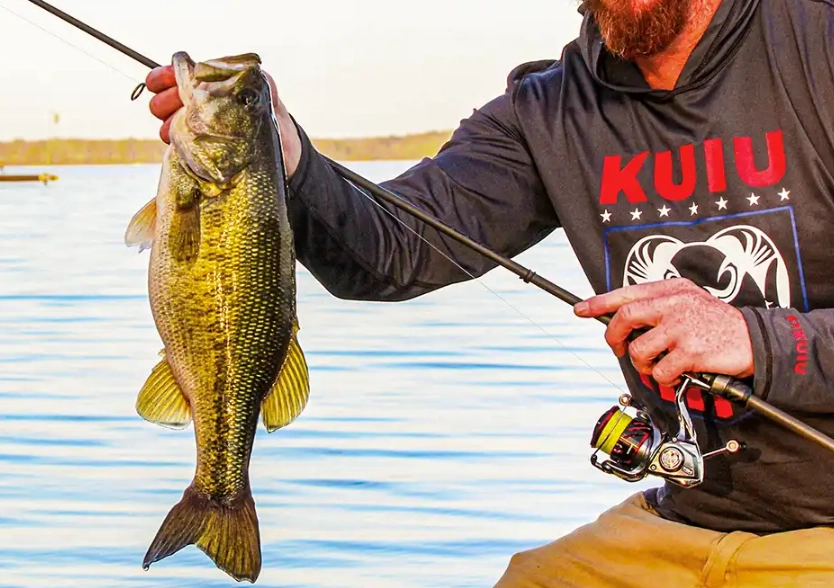
The Practical Toolkit: What to DO While You're Being Patient
Okay, so we agree patience is key. But what do you actually *do* with that time? This is the gap most articles don't fill. Here’s your active patience checklist.
Observe Like a Detective
Your eyes are your best piece of gear. Look for:
- Surface activity: Are fish feeding on top? Are insects hatching?
- Structure: Logs, weed beds, drop-offs, rocks. Fish love edges.
- Bird life: Diving birds often mean baitfish are present, which means predators are near.
- Water color and clarity: Is it murky? Maybe use a brighter lure. Crystal clear? Go natural and light line.
Experiment Systematically
Don't just cast the same lure in the same spot 50 times. Have a plan. The "Rule of 15" worked for me: give a spot/lure/depth 15 serious, focused casts. If nothing, change ONE variable. Go deeper. Change color. Slow down. Then another 15. This turns waiting into a structured experiment.
Manage Your Gear
Down time is tune-up time. Check your knots for nicks. Re-tie if you've been snagged. Organize your tackle box. Sharpen your hooks. A lot of lost fish come down to a dull hook or a weak knot that happened while you were "just waiting."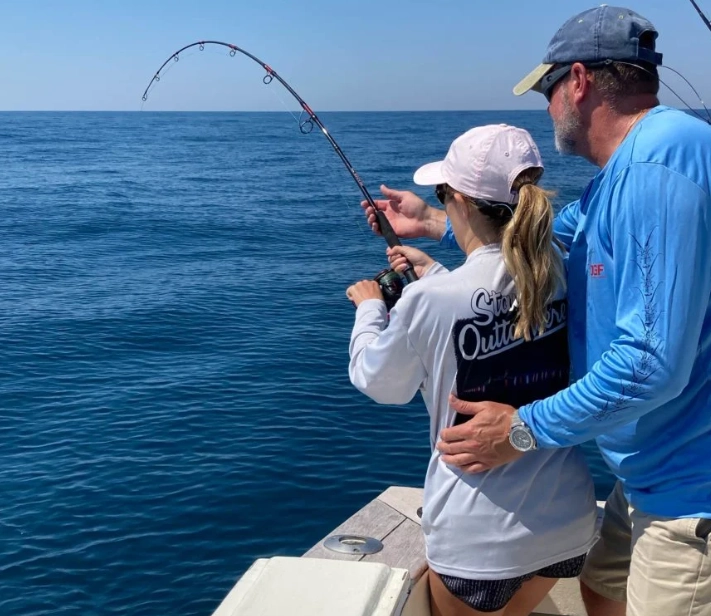
Beyond the Mindset: The Supporting Cast of Essential Rules
If patience is the number one rule, think of these as the indispensable co-stars. You can't have a great movie with just the lead actor.
Rule #2: Presentation is Everything
A fish isn't just eating food. It's eating food that looks and acts right. That means matching the hatch (using lures or bait that imitate local prey), and presenting it naturally. A jig dragged along the bottom imitates a crawdad. A topwater popper twitched erratically mimics a struggling bug. An unnatural, mechanical retrieve is a dead giveaway. I've seen too many anglers with the priciest lures fail because they retrieve it like they're reeling in a winch cable.
Rule #3: Be Stealthy (Fish Aren't Deaf and Blind)
This one busts more anglers than they realize. Loud talking, stomping on the bank, slamming hatches on the boat, even your shadow stretching over the water can spook fish, especially in clear, shallow water. Move slowly and deliberately. Wear muted colors. Cast sidearm to keep your rod swing low. It feels silly until you realize how many more bites you get in pressured fishing spots.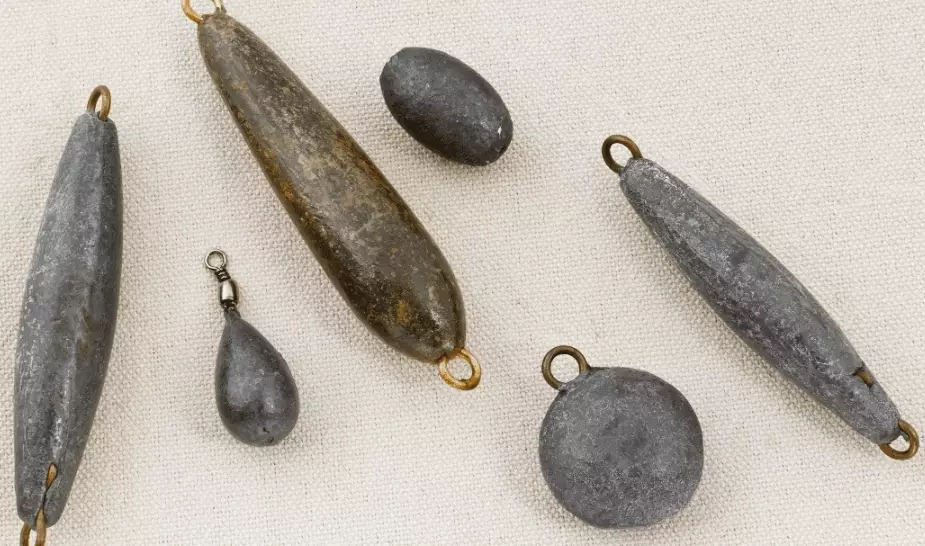
Rule #4: Conservation & Ethics - The Unbreakable Rule
This isn't just a nice-to-have; it's the foundation of the sport's future. It means knowing and following local regulations (size limits, bag limits, seasons) to the letter. It means handling fish you plan to release with wet hands to protect their slime coat, using barbless hooks or crushing the barbs, and getting them back in the water quickly. It means packing out more trash than you brought in. Resources like your state's Department of Natural Resources website (like the U.S. Fish & Wildlife Service) are the final authority on these rules, not hearsay.
Breaking It Down By Fish Type: Patience Wears Different Hats
Patience isn't a one-size-fits-all concept. What it looks like varies wildly depending on what you're after.
| Target Species | What "Patience" Looks Like Here | Common Impatience Trap |
|---|---|---|
| Bass (Largemouth/Smallmouth) | Methodically working structure (docks, weeds, logs), often with slower presentations. Waiting for a reaction strike after a cast near cover. | Retrieving too fast, not letting a plastic worm or jig "sit" on the bottom, moving spots every 5 casts. |
| Trout (in rivers) | Perfecting a dead-drift with live bait or a fly so it moves naturally with the current, without drag. Reading the water to find feeding lanes. | Creating drag on the fly line, wading noisily, not mending the line, giving up on a productive run too quickly. |
| Panfish (Bluegill, Crappie) | Staying on a productive school once found, often using subtle jigging motions. Waiting for the light "tick" of a bite. | Overworking the jig, setting the hook too hard on light bites, leaving a school because the bites are small. |
| Catfish | Letting bait sit on the bottom for extended periods, often at night. Faith in your bait placement and scent trail. | Recasting every 10 minutes, constantly checking bait, making too much noise near your rods. |
See the pattern? The core principle—stay focused, adapt, persist—is the same. The application changes. That's the nuance.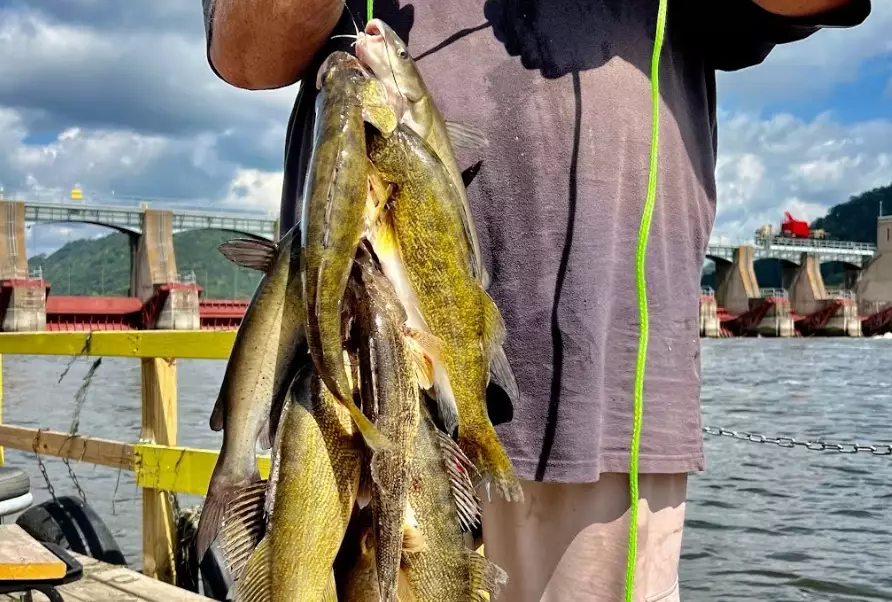
The Gear That Actually Supports Patience (It's Not What You Think)
Good gear doesn't replace patience, but the wrong gear can absolutely destroy it. A reel that birdsnests every third cast will fry your nerves. Here’s what actually helps you stay in that patient headspace.
- A Comfortable Seat or Stool: Sounds trivial. It's not. Physical discomfort is the fastest route to mental impatience.
- Reliable, Simple Tackle: You don't need the most expensive. You need a rod/reel combo you trust that doesn't tangle easily. Practice with it so it becomes an extension of your arm.
- Polarized Sunglasses: This is a game-changer. Reducing glare lets you see into the water, observe structure, and sometimes even spot fish. This turns "blind casting" into "targeted casting," which feeds directly into active patience.
- Appropriate Clothing: Being too cold, wet, hot, or sunburned will make you quit long before the fish do. Layer up, rain gear, wide-brimmed hat.
Answering Your Real Questions (The FAQ We All Think About)
Is patience REALLY the most important thing? What about location or luck?
Location (often called "finding the fish") is arguably 90% of the battle. But patience is the vehicle that gets you to find that location. It's the patience to scout multiple spots, to read a map, to slowly work a shoreline instead of rushing. Luck favors the prepared, and in fishing, patience is your preparation.
How do I stay patient when kids or friends are with me and getting bored?
Ah, the real test! Shift the goal. The goal isn't "catch a lot of fish." It's "have a fun outdoor experience." Bring snacks. Let them explore the shore. Use simple, almost foolproof rigs (like a bobber and worm). Celebrate the small things—a good cast, spotting a turtle. Their patience is short, so you have to model it by not getting frustrated yourself. Sometimes, you just have to pack up early and get ice cream. That's okay.
What if I've been patient for HOURS and still catch nothing?
First, validate your effort. You were outdoors, you practiced a skill, you observed nature. That's not nothing. Second, diagnose. Were you patient but in the wrong place? That's a location/scouting issue. Were you in a good place but your presentation was off? That's a technique issue. Break it down. Maybe the answer to "what is the number one rule of fishing" that day was patience, but the fish just weren't cooperating. It happens. Even the pros get skunked. The Bassmaster tournament trails are full of stories of anglers grinding for one or two bites a day. That's high-stakes patience.
Does this rule apply to all types of fishing? Deep sea? Fly fishing?
Absolutely, but it morphs again. Deep sea trolling can involve long hours of watching rods between explosive action. Fly fishing for bonefish on the flats is patience in stealth and perfect presentation. The core—managing your expectations, focusing on the process, persisting—is universal. It's the soul of the sport.
Putting It All Together: Your Day on the Water
So let's walk through how this "number one rule" actually plays out from start to finish.
You get to your spot. Instead of immediately hurling lures, you spend five minutes just watching. (Patience starts now). You see some baitfish dimpling the surface near a downed tree. You tie on a lure that matches them. You make a careful, quiet approach to avoid spooking the area. You cast past the tree and work your lure back. Nothing. Instead of getting mad, you switch to a slower retrieve for the next cast. Nothing. You mentally note the water is a bit stained from recent rain, so you switch to a slightly brighter color. Cast fifteen, twenty times, varying your retrieve each time.
This is the active patience engine running. You're not a statue. You're a problem-solver.
Then, maybe on cast twenty-five, you get a solid thump. You set the hook. Fish on.
The victory wasn't the fish. The victory was the process. You observed, you adapted, you persisted. You executed the number one rule of fishing.
The Final Takeaway
When someone asks you what is the number one rule of fishing, you can confidently say "patience." But now you know the secret. It's not empty waiting. It's the active, engaged, and sometimes frustrating practice of marrying your effort to the timeless, unpredictable rhythm of nature. It's accepting that some days the fish win, and that's okay. It's about finding joy in the cast, the surroundings, the puzzle, as much as in the catch.
It's what turns a hobby into a passion. Now go get your line wet. And take your time.