Fishing Reels Types Explained: A Complete Guide to Choosing the Right Reel
Confused by the different fishing reels types? This ultimate guide breaks down spinning, baitcasting, fly, and more, helping you pick the perfect reel for your next fishing adventure.
In This Guide
Let's be real for a second. Walking into a tackle shop or scrolling through endless online listings for fishing reels can feel overwhelming. Spinning, baitcasting, spincast, fly, trolling... the list goes on. Which one is right for you? I remember staring at a wall of reels years ago, completely clueless, and just picking the shiniest one. Big mistake. It was totally wrong for the kind of fishing I wanted to do.
That's why we're cutting through the noise today. We're going to break down every major category of fishing reels, not with marketing fluff, but with the straight talk you'd get from a buddy who's made all the mistakes so you don't have to. By the end of this, you'll not only know the names of the different fishing reels types, but you'll know exactly why you'd pick one over the other.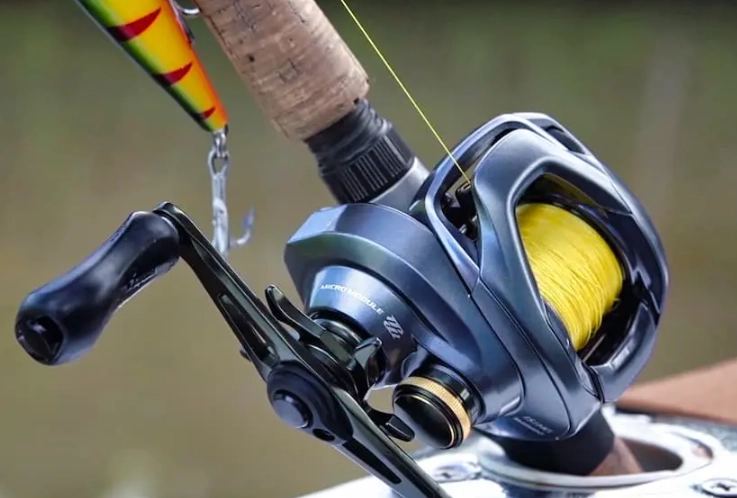
The Big Five: Main Categories of Fishing Reels
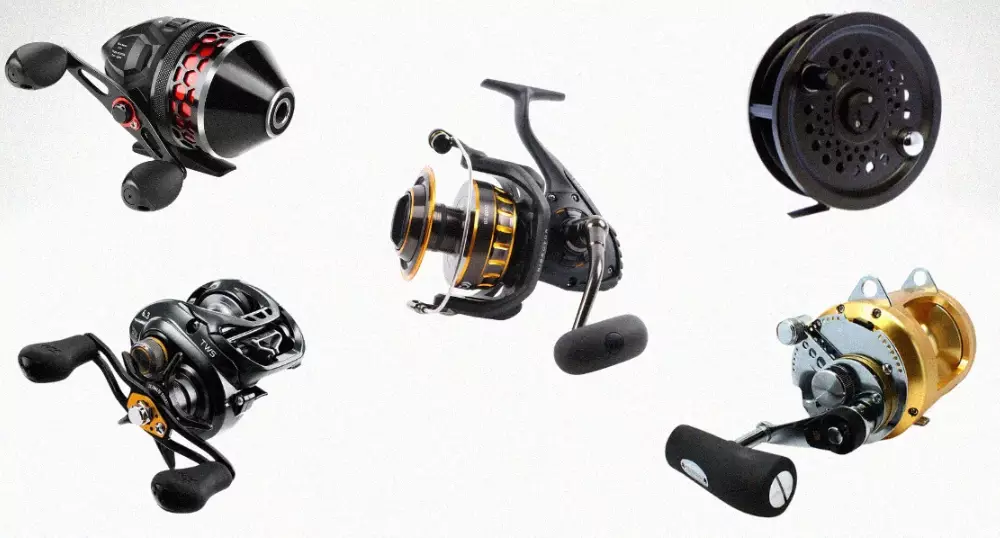
While there are niche options, almost every reel you'll encounter falls into one of five main families. Understanding this basic breakdown is 90% of the battle. Think of it like choosing a vehicle: you pick a truck, sedan, or SUV based on the job, not because one is universally "better."
Spinning Reels: The All-Rounder
If there was a "most popular" award, the spinning reel would win it, hands down. You've definitely seen one. The spool is fixed and doesn't turn; instead, a metal arm (called the bail) wraps the line around the spool when you turn the handle. The reel hangs underneath the rod.
Why are they so beloved? Simplicity and forgiveness. They're incredibly easy to use, especially for beginners. Backlashes (those nasty, frustrating tangles of line) are rare. You can cast light lures a country mile with minimal effort. I recommend a spinning reel to anyone just starting out, or for general freshwater fishing for bass, trout, panfish, and even lighter inshore saltwater species.
But they're not perfect. They generally don't have the same raw cranking power or precise lure control as a baitcaster for heavy cover bass fishing. The drag system, while good, can sometimes be less smooth under extreme pressure compared to a high-end baitcaster or conventional reel.
Baitcasting Reels: The Precision Tool
Ah, the baitcaster. The reel that inspires both awe and frustration. This is the reel you see most professional bass anglers using. The spool rotates as you cast, and it sits on top of the rod. This design offers immense control and power.
The biggest advantage? Pinpoint accuracy. You can place a lure on a dinner plate from 40 feet away. They also offer superior control when working a lure, allowing you to feel every bump and tick with your thumb on the spool. The powerful drag systems and strong gears make them ideal for hauling big bass out of thick weeds or throwing heavy lures.
Here's the catch, and it's a big one: the learning curve. Mastering a baitcaster means learning to control the spool with your thumb to prevent horrific backlashes (we call them "bird's nests"). My first few sessions with one were an exercise in patience and untangling knots. It's humbling. But once you get it, it's incredibly rewarding. It's not the best choice for very light lures, though.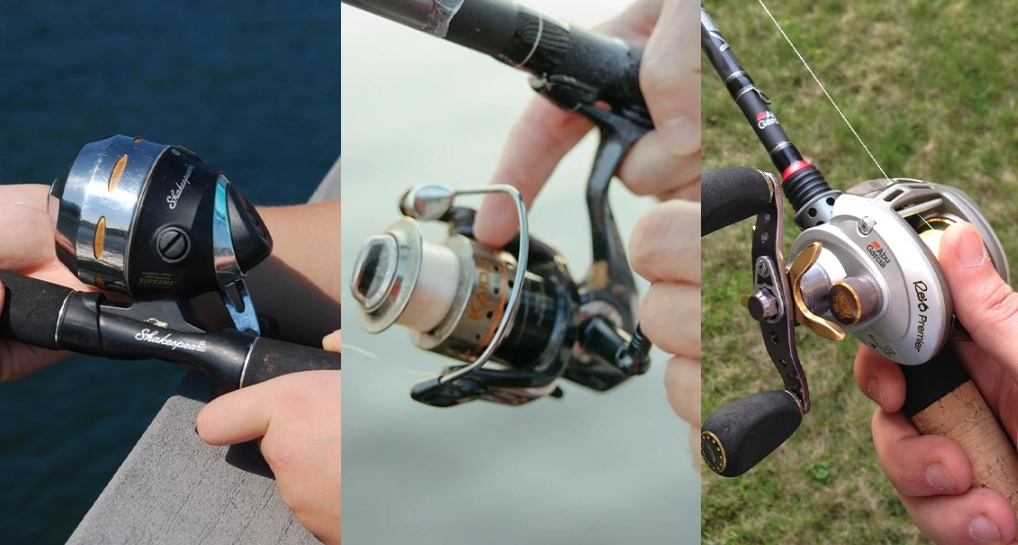
Spincast Reels: The True Beginner's Friend
Often called "closed-face" reels, the spincast reel is the one with a button on the back. You press the button, cast, and the line flows out from a small hole in a covered nose cone. It's the reel many of us used as kids on our first Zebco combo.
Their main virtue is being almost backlash-proof. The covered spool protects the line and minimizes tangles. They are simple, affordable, and great for casual fishing with kids or for situations where you just don't want to think about your gear.
The downsides are significant for serious anglers. They lack casting distance, have less sensitivity, and the drag systems are often less refined. I have one in my garage for loaner rods when friends visit, but it hasn't seen serious action in years. For an adult looking to progress in the sport, you'll likely outgrow it quickly.
Fly Reels: A Different Beast Altogether
Fly fishing reels are in a world of their own. Their primary job isn't casting—the heavy fly line does that work. The reel's job is to store line and provide a smooth, adjustable drag to fight fish. They are simple in operation (often just a click-and-pawl drag) but can be exquisitely engineered.
Choosing a fly reel is less about the mechanics and more about balance (matching the reel weight to your rod) and drag quality. For small trout, the drag almost doesn't matter. For saltwater beasts like tarpon or bonefish, you need a sealed, disc-drag system that can withstand corrosion and immense pressure. The folks at the Federation of Fly Fishers have fantastic resources on matching gear if you're diving into this style.
I got into fly fishing for trout a few years back, and the simplicity of the reel was a welcome change from the tech-heavy world of bass gear. It's a different rhythm.
Trolling & Conventional Reels: The Powerhouses
This category includes big, robust reels designed for one thing: putting line out and muscling big fish in. They look similar to baitcasters (spool on top) but are built like tanks. They feature powerful multi-disc drags, high line capacities, and often a lever or switch to engage/disengage the spool for free-spooling.
You'll see these on ocean boats going after salmon, tuna, marlin, and other pelagic giants. They're also used for heavy-duty freshwater trolling for lake trout or muskies. They are purpose-built tools. Unless you're chasing truly big game or trolling deep waters, you probably don't need one. But when you do, nothing else will suffice.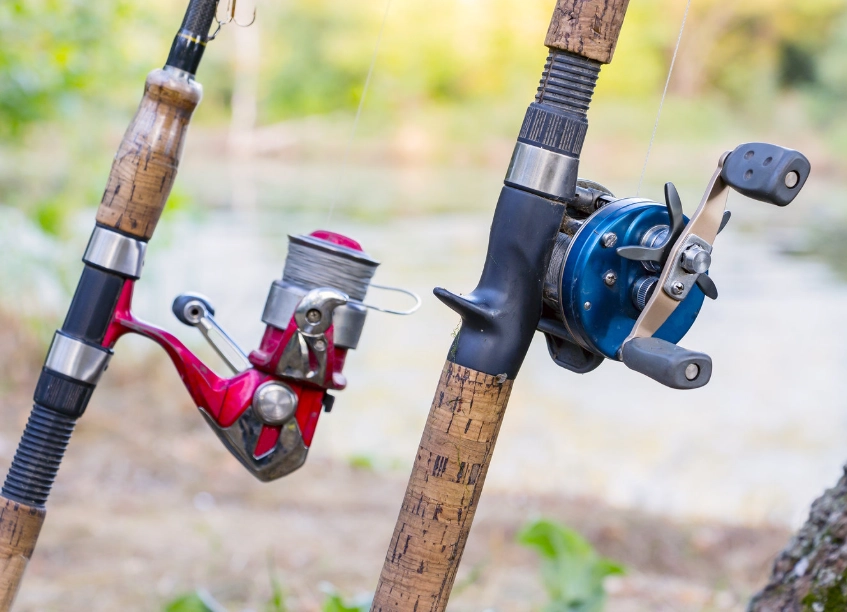
Side-by-Side: A Quick Comparison Table
Sometimes you just need to see it all in one place. This table stacks up the main fishing reels types against each other on the key points that matter when you're trying to decide.
| Reel Type | Best For | Ease of Use | Casting Distance | Key Advantage | Biggest Drawback |
|---|---|---|---|---|---|
| Spinning Reel | Beginners, light lures, general freshwater & light saltwater | Very Easy | Excellent | Versatility & ease of use | Less power/precision for heavy techniques |
| Baitcasting Reel | Experienced anglers, precision casting, heavy cover/power fishing | Hard (steep learning curve) | Very Good (with skill) | Accuracy & direct lure control | Prone to backlashes; not for light lures |
| Spincast Reel | Kids, casual/occasional fishing, ultimate simplicity | Easiest | Fair to Poor | Nearly backlash-proof | Poor performance, low durability for serious use |
| Fly Reel | Fly fishing for trout, salmon, bass, saltwater species | Moderate (different skill set) | N/A (line does the work) | Essential for fly fishing; smooth drags | Only useful for fly fishing |
| Trolling/Conventional | Big game saltwater, deep water trolling, heavy-duty applications | Moderate | N/A (trolling/dropping) | Massive power & line capacity | Heavy, expensive, overkill for most fishing |
Okay, But How Do I Actually Choose? The Decision Checklist
Knowing the types is step one. Step two is applying that knowledge to your situation. Grab a notepad and ask yourself these questions. Your answers will point you straight to the right category of fishing reels.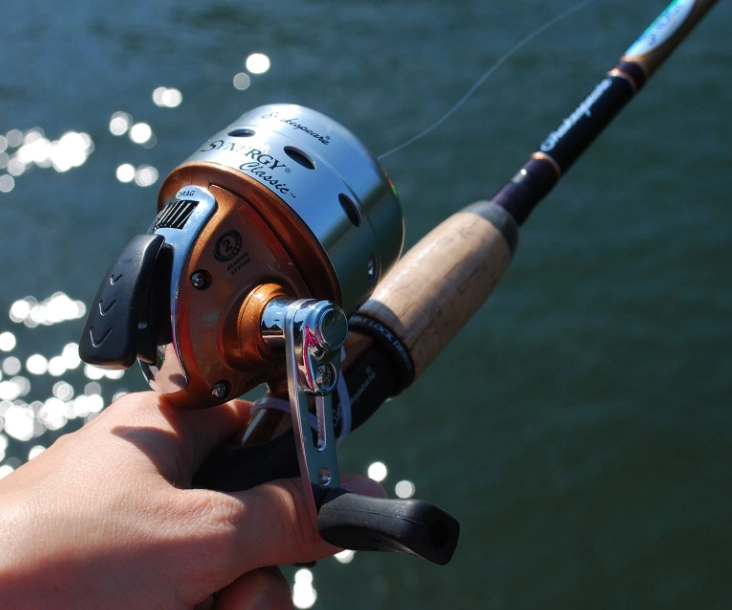
- What species am I mainly targeting? This is the most important question. Panfish and trout? Spinning reel. Bass in open water? Spinning is great. Bass in heavy timber? Seriously consider a baitcaster. Offshore monsters? You're in trolling reel territory.
- What's my skill level? Be honest. If you're new, a spinning reel is your best friend. If you're experienced and want more control, a baitcaster is worth the learning pain. Don't buy a baitcaster because it looks "pro" if you're not ready for the frustration.
- What lure weights will I use? This is huge. Spinning reels excel with lures below 1/4 oz. Baitcasters typically need 1/4 oz or more to work properly. Trying to throw a tiny trout spinner on a baitcaster is a recipe for a bird's nest.
- What's my budget? You can get a decent, reliable spinning reel for $50-$100. A decent baitcaster starts closer to $100. A good fly reel or trolling reel can cost several hundred. More money usually buys better drags, smoother gears, and lighter, stronger materials. Don't cheap out on the reel—it's the engine of your combo.
- Freshwater or Saltwater? For saltwater, you must get a reel rated for it, with corrosion-resistant materials (stainless steel, anodized aluminum) and often sealed bearings. A freshwater reel will turn into a rusty paperweight in a season on the salt.
Diving Deeper: Features That Matter (Beyond the Type)
Once you've nailed down the category—say, a spinning reel for bass—you'll be faced with a dozen models. Here's what to look at in the specs sheet.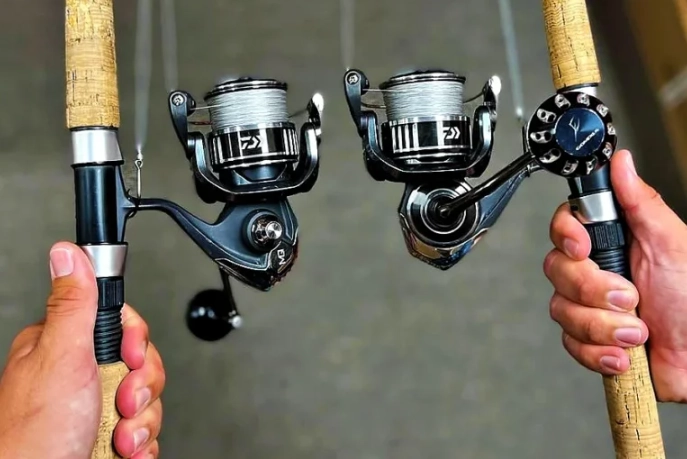
The Drag System: Your Pressure Control
This is arguably the most critical part of the reel when a fish is on. A good drag applies smooth, consistent pressure to tire the fish without breaking the line. A bad drag jerks and sticks, leading to break-offs. Look for reels with multiple carbon fiber or felt washers. The drag knob should be easy to adjust, even mid-fight. I've lost fish to sticky drags, and it's a terrible feeling. Resources like Take Me Fishing often have great basic explainers on drag maintenance, which is key to keeping it smooth.
Gear Ratio and Retrieval Speed
We touched on this earlier. Gear ratio (e.g., 6.4:1) tells you how many times the spool rotates per one turn of the handle. A 6.4:1 is a "fast" reel, great for quickly taking up slack or burning a spinnerbait. A 5.1:1 is "slower," offering more cranking power, which is good for deep-diving crankbaits. Some reels even offer multiple gear ratios or a "power handle" for extra leverage.
Ball Bearings and "Smoothness"
More ball bearings generally mean a smoother retrieve. But quality trumps quantity every time. A reel with 3+1 high-quality stainless steel bearings will feel better than a reel with 10+1 cheap brass bearings. The "+1" usually refers to a roller bearing on the line roller, which is important. Don't get hypnotized by the big number on the box.
Spool Material and Line Capacity
Spools are usually aluminum or graphite. Aluminum is lighter, stronger, and dissipates heat better—it's generally preferred. Graphite is cheaper and corrosion-proof. Line capacity is listed as pounds/test and yards (e.g., 10/200 means 200 yards of 10-pound test). Make sure the capacity suits your needs. Inshore saltwater? You might need 200+ yards of 20-pound braid. Farm pond bass? 100 yards of 10-pound mono is plenty.
Your Questions, Answered (The FAQ Section)
Reel sizes are denoted by numbers (1000, 2500, 3000 for spinning; 100, 200, 300 for baitcasting). There's no universal standard, but the rule is simple: Bigger number = bigger reel. A 1000-size spinning reel is tiny, for ultra-light trout rods. A 4000 is a beefy inshore reel. A bass angler might use a 150 or 200-size baitcaster. Match the reel size to your rod's recommended lure and line weight, and the fish you're after. A huge reel on a light rod looks and feels ridiculous.
You can... once. Saltwater is brutally corrosive. If you must, you must wash it thoroughly with fresh water immediately after. I mean, take it apart, rinse every nook, and re-lubricate. It's a huge pain. It's far better to buy a reel specifically built for saltwater. Trust me, I learned this the hard way with a nice bass reel that seized up after a coastal trip.
It's the difference between a reel that lasts one season and one that lasts a decade. Basic maintenance is easy: rinse with light fresh water spray after each use (especially in saltwater), let it dry, and occasionally add a drop of oil to the moving parts specified in the manual. Once a year, a deeper clean and re-grease is wise. The American Sportfishing Association often has maintenance tips, and manufacturer websites are the best source for specific models.
This is the eternal debate, and the answer is boring: it depends. For general use, versatility, and ease, spinning wins. For specific power-fishing techniques and precision, baitcasting wins. Many serious anglers own both and use them for different jobs. I have a rack of both. Don't feel like you have to choose one forever.
For spinning reels, the handle is easily switched. For baitcasters, you usually buy it configured one way. The rule is simple: operate the reel with your dominant hand. If you're right-handed, you likely hold the rod with your right hand and cast with it. Do you want to switch hands after the cast to reel with your right (requiring a right-hand retrieve reel), or do you want to keep the rod in your right hand and reel with your left (left-hand retrieve)? Most bass pros now use left-hand retrieve baitcasters so they don't have to switch. Try both motions. Go with what feels natural.
Final Thoughts: It's About Catching More Fish
At the end of the day, all this talk about fishing reels types, gear ratios, and drag washers has one goal: to put you in a better position to catch fish and enjoy your time on the water. The right reel won't tangle every other cast. It will help you cast where you need to. It will hold up when that personal-best fish decides to run.
My advice? Start simple. If you're unsure, a mid-size spinning reel (a 2500 or 3000 size) from a reputable brand is the most versatile tool in the shed. Learn on it. Catch fish with it. As you discover your favorite style of fishing, you'll naturally learn what your next reel should be. Maybe you'll get obsessed with flipping jigs into lily pads and need a beefy baitcaster. Or maybe you'll want to chase redfish on the flats and need a sealed spinning reel.
The journey is part of the fun. Now you've got the map. Go get your reel, get your line wet, and see what bites.