Live Bait Fishing: The Ultimate Guide to Catching More Fish
Want to catch more fish? This ultimate guide covers everything from choosing the best live bait to keeping it lively and fishing it effectively. Learn the secrets of using live bait for fishing that seasoned anglers swear by.
Your Live Bait Cheat Sheet
Let's be honest. There's something almost primal about using live bait for fishing. It's not the clean, convenient click of a plastic lure box. It's dirt under your nails, the faint smell of the bait shop in your car, and that moment of focus when you're trying to thread a wriggling minnow onto a hook without dropping it. For all the fancy technology in modern fishing, nothing quite matches the effectiveness of a real, living creature in the water. It's the original presentation, and predators from bass to walleye have been falling for it for millennia.
I remember my first time using live bait for fishing as a kid. It was nightcrawlers for bluegill. The sheer number of bites compared to the little spinner I'd been using was a revelation. It felt like cheating. But as I got older, I realized it wasn't cheating—it was understanding the food chain. Live bait works because it is food. It moves naturally, smells right, and triggers an instinctual response in game fish that even the best artificials can struggle to replicate consistently.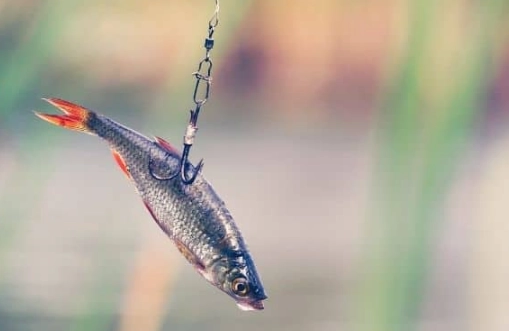
This guide isn't about convincing you that live bait is the only way. Far from it. It's about giving you the complete, no-BS toolkit to use it effectively when you decide to. We're going deep on selection, keeping your bait alive (the single biggest challenge), and presenting it where the fish are. Forget the vague advice. We're talking specifics.
Picking Your Player: A Guide to Common Live Baits
Choosing the right live bait for fishing isn't random. It's about matching the hatch—what the fish are already eating in that specific body of water at that time of year. A shiner might be king in a southern reservoir in spring, but a fat nightcrawler could be the ticket in a farm pond after a rain.
Here’s the rundown on the usual suspects. Think of this as your bait roster.
Minnows and Shiners: The All-Star Swimmers
This is the bread and butter for a huge range of predator fish. The terms are often used interchangeably, but generally, "minnow" is a broader category, and "shiner" often refers to specific, shinier species like the golden shiner. Their flash and erratic swimming when hooked are pure catnip for bass, pike, walleye, and crappie.
The key with minnows is size. Match the size of the baitfish you see flickering near the shore or that the game fish are likely feeding on. A massive 8-inch shiner under a bobber is a classic big bass tactic, while a tiny 1-inch minnow on a light wire hook is deadly for crappie and perch.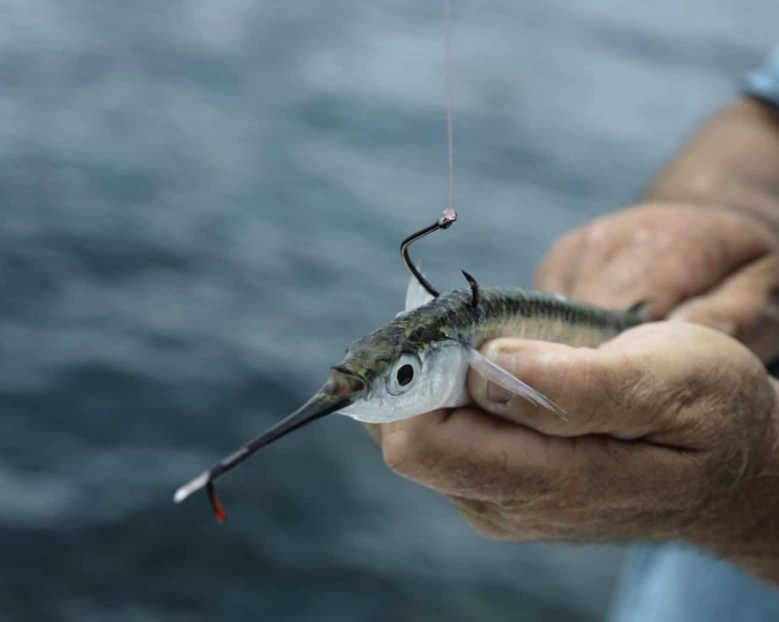
Nightcrawlers and Worms: The Universal Offering
If there's a more universally effective live bait for fishing, I haven't found it. From tiny sunfish to massive catfish, everything eats worms. Nightcrawlers (the big ones) are great for bottom fishing for catfish or walleye, while smaller red wigglers or garden worms are perfect for panfish.
Their appeal is in their scent and natural movement. A worm naturally writhes on the bottom, sending out vibrations and a smell trail that fish find irresistible. You can fish them under a float, on the bottom, or even threaded onto a jig head.
The downside? They're fragile. Sun and heat are their enemies. Keeping them cool and in the right bedding (not just dirt!) is crucial.
Leeches: The Underwater Dancing Machine
Don't let the ick factor scare you off. For walleye and smallmouth bass, especially in cooler water, a lively leech is often the difference between a good day and a great one. Their unique swimming action—a flowing, undulating dance—is something artificial lures simply cannot copy.
They're also surprisingly tough. A leech can last through multiple fish if hooked correctly (through the sucker end). They're best fished on a slow retrieve or below a slip bobber, allowing them to do their natural dance.
Crayfish: The Big Bass and Smallmouth Candy
In rocky lakes and rivers, crayfish are a staple in the diet of bass and smallmouth. Using a live one is the ultimate imitator. The challenge is keeping them alive and hooked. You need a sturdy, escape-proof bait container and usually hook them through the tail, which allows them to still move and try to swim backwards.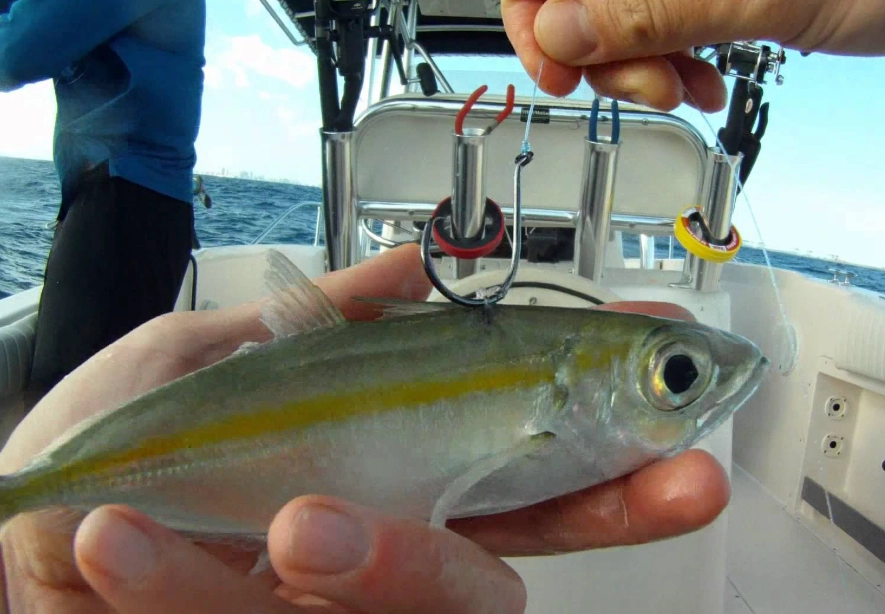
This is advanced-level live bait for fishing. It's messy, the crayfish will pinch you, and they can be hard to source. But on a tough day on a smallmouth river, it can be a magic bullet.
So how do you choose? This table might help you match the bait to the mission.
| Bait Type | Best For These Fish | Ideal Fishing Method | Biggest Challenge |
|---|---|---|---|
| Minnows/Shiners | Largemouth Bass, Walleye, Pike, Crappie | Under a slip bobber, free-lined, or on a quick-strike rig for pike | Keeping oxygenated and cool; they die quickly in warm water. |
| Nightcrawlers | Panfish, Catfish, Walleye, Trout | Bottom rig (Carolina or drop-shot), under a fixed bobber | Keeping them from baking in the sun; they cook fast on a hot dock. |
| Leeches | Walleye, Smallmouth Bass | Slow drift under a slip bobber, light jig head on a slow retrieve | Getting past the "ick" factor; hooking them correctly so they stay lively. |
| Crayfish | Smallmouth Bass, Largemouth Bass | Weighted hook, bounced along rocky bottom | Sourcing and containment; they are escape artists and can be seasonal. |
| Grasshoppers/Crickets | Panfish, Trout, Small Bass | Lightweight hook, floated on surface or just under it | Catching/keeping them; it's a summer-only, impromptu bait. |
The Live in Live Bait: Keeping Your Bait Kicking
This is where most anglers fail. You buy a dozen beautiful minnows, toss them in a bucket of lake water, and by noon they're all floating belly-up. Game over. The single most important skill in using live bait for fishing is keeping it alive. A lethargic, half-dead minnow is worse than a good artificial lure.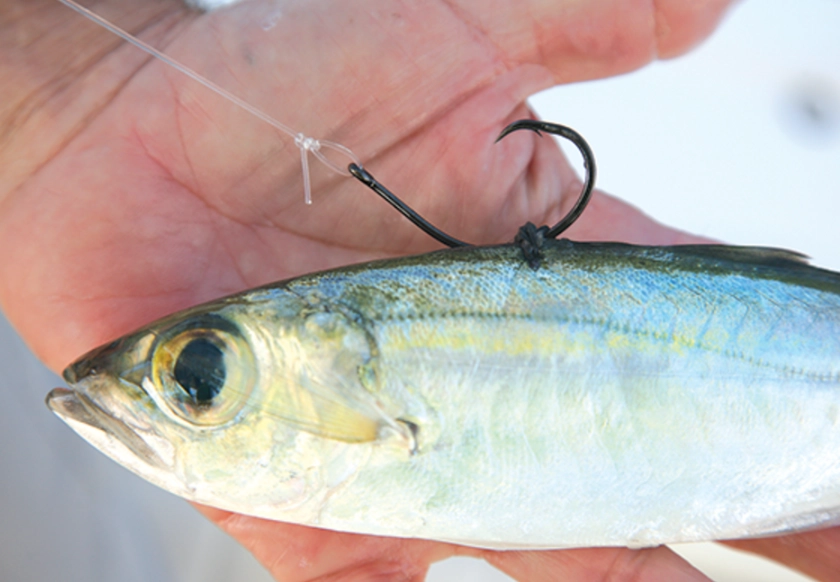
Let's break down the survival needs.
Oxygen is Everything (Especially for Minnows)
Fish breathe oxygen dissolved in water. In a small bucket, that oxygen gets used up fast, especially on a hot day. Stagnant water is a death sentence.
- Aerate: A simple battery-powered aquarium bubbler is the best investment a live bait angler can make. The constant bubbles keep water moving and gas exchanging. No bubbler? You must change the water frequently—every 20-30 minutes on a warm day. Scoop out a third of the water and replace it with fresh water from the lake/river.
- Don't Overcrowd: Too many minnows in too little water = rapid oxygen depletion and a buildup of harmful ammonia from their waste. Give them space.
Temperature is a Silent Killer
Heat stresses cold-blooded baitfish and accelerates oxygen loss. Your goal is to keep the bait water as cool as the body of water you're fishing.
The Right Home: Bait Containers Matter
A $5 plastic bucket from a hardware store is fine for a short trip with worms. For minnows, it's a coffin. Get a dedicated bait bucket, preferably one with an aerator lid or at least a perforated inner bucket to make water changes easy. For crawfish? You need something sturdy with a locking lid they can't pry open. I learned that the hard way after finding one in my car's cup holder.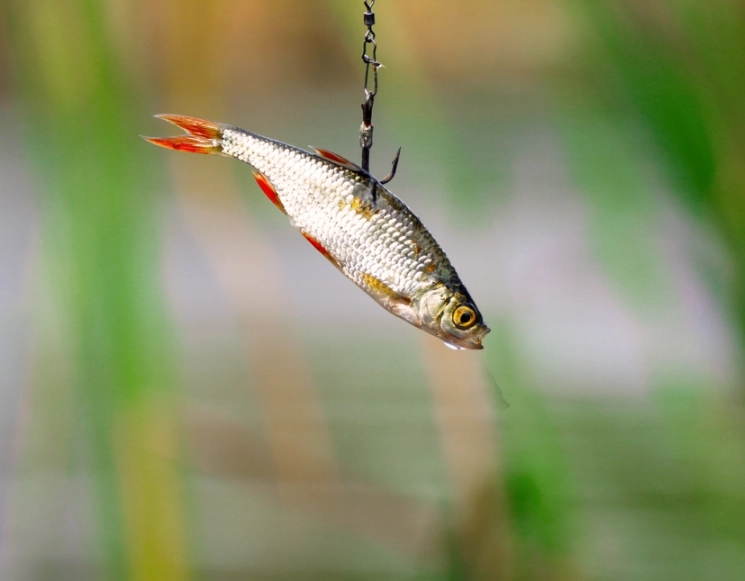
For worms, don't use straight garden soil. Use a commercial worm bedding (like shredded coconut coir or peat moss) that holds moisture and allows them to breathe. Keep it damp, not soggy, and store it in the fridge (in a sealed container, unless you want some interesting conversations with family members).
Getting It in the Water: Hooking and Rigging Live Bait
Hooking live bait is a balance between securing it and keeping it alive and mobile. A minown hooked through the brain will die instantly and sink lifelessly. One hooked too lightly will fly off on the cast.
Hooking Minnows and Shiners
There are two main methods, each with a purpose.
- Through the Lips (From Bottom to Top): This is the most common and allows the minnow to swim naturally. It's great for fishing under a bobber or free-lining. The minnow stays alive for a long time.
- Through the Back (Behind the Dorsal Fin): Be careful here. Hook too close to the spine, and you'll paralyze it. Hook through just the fleshy top muscle. This method lets the minnow swim, but with a slightly more wounded, struggling action. It's good for trolling or casting.
Never hook through the tail if you want it to stay alive. It can't swim properly.
Hooking Worms and Leeches
For worms, the goal is to get a natural presentation without a huge ball of worm bunched on the hook. "Thread" the worm onto the hook, covering the shank and leaving a enticing tail dangling. For big nightcrawlers, you might use two hooks on a harness (a worm blower) to keep it straight.
For leeches, hook them through the sucker (the thinner, tail end). If you hook them through the thick head, they'll ball up and die quickly. Hooking through the tail lets them swim in their full, flowing motion.
Essential Rigs for Live Bait
- The Slip Bobber Rig: The ultimate depth-control presentation for minnows and leeches. It lets you present the bait perfectly suspended over weed beds, drop-offs, or rock piles. It's my go-to for live bait fishing in deeper water.
- The Carolina Rig: A fantastic bottom-fishing rig for worms, leeches, or crawfish. The weight slides ahead of a swivel and a leader, allowing the bait to move naturally without feeling the heavy sinker. Fish can pick it up and swim without resistance.
- The Simple Drop-Shot: Amazing for presenting a worm or leech just off the bottom in a subtle, tantalizing way. Perfect for finicky fish in clear water.
- The Quick-Strike Rig (for Pike/Muskie): If you're using large live bait for fishing where toothy critters roam, you need this. It uses two treble hooks arranged to hook the fish in the mouth instantly, allowing for safer catch-and-release and preventing the fish from swallowing the bait deeply.
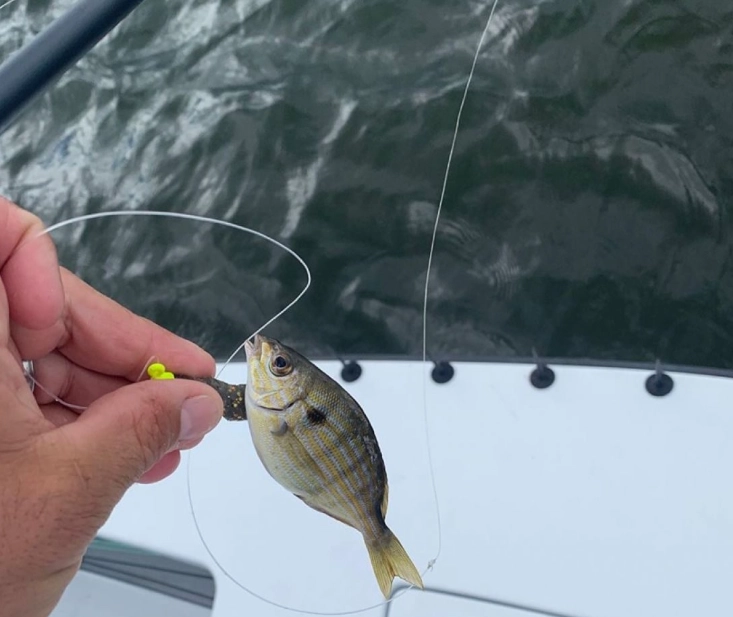
Tackle Talk: Rods, Reels, and Hooks for Live Bait
You don't need specialized gear, but the right tools make it easier.
A medium-light to medium-power spinning rod, 6.5 to 7.5 feet long, is incredibly versatile. You want enough sensitivity to feel a subtle bite on a slack line (common with live bait) and enough backbone to set a hook at a distance or in cover.
For hooks, circle hooks are a game-changer for live bait fishing, especially when bottom fishing for catfish or walleye. They are designed to hook the fish in the corner of the mouth as it swims away, leading to better hooksets and fewer gut-hooked fish. Just remember: with a circle hook, don't jerk to set it. Just start reeling when you feel weight.
Otherwise, standard aberdeen hooks (light wire, great for minnows and panfish) or octopus hooks (slightly stronger, good for worms and leeches) are perfect. Match the hook size to your bait, not the fish you hope to catch. A size 4 or 6 hook is a great all-around for medium shiners or nightcrawlers.
Answering Your Live Bait Questions
Let's tackle some of the common things anglers search for when they're thinking about using live bait.
Is live bait for fishing more effective than lures?
It's not "more effective" in all situations. It's differently effective. Live bait excels when fish are in a negative, neutral, or highly pressured mood. It presents an easy, complete sensory package (sight, sound, smell, vibration) that requires little decision-making from the fish. Lures excel at covering water, triggering reaction strikes, and imitating specific, fast-moving prey. The smart angler has both in the arsenal and chooses based on conditions.
How do I keep minnows alive overnight?
This is a top search for a reason. You need a proper aquarium setup or a large, aerated cooler. The key is constant aeration, a large volume of clean, dechlorinated water (use a water conditioner from a pet store), and keeping the water cool (in a basement). Don't feed them. Change about 30% of the water daily if you don't have a filter. It's work, which is why most people just buy fresh.
Is it cruel to use live bait?
This is an ethical question every angler must answer for themselves. The argument for it is that it mimics the natural food chain. To minimize suffering, use sharp hooks for quick penetration, and use circle hooks or quick-strike rigs to minimize deep hooking. If the idea bothers you, there are incredibly effective artificial options, or you can use dead/cut bait instead.
What's the best all-around live bait?
If I was forced to pick one bait to use anywhere, for a variety of fish, it would be the nightcrawler. It's readily available, cheap, and catches everything from panfish to catfish. For strictly predator fish like bass and walleye, a medium-sized shiner or fathead minnow is probably the most versatile choice for live bait fishing across seasons.
Putting It All Together: A Seasonal Approach
Your choice of live bait should change with the water temperature and fish behavior.
- Spring: Fish are hungry post-spawn. Minnows and worms are excellent as fish move shallow. Leeches start to become effective as water warms into the 50s (F).
- Summer: Fish can be deeper or more lethargic. This is prime time for deep, suspended presentations with minnows under slip bobbers over deep structure. Night fishing with live bait can be fantastic. Keep your bait cool!
- Fall: Fish are feeding heavily to bulk up for winter. Match the baitfish. Often, larger minnows (shiners) imitating the year's young-of-the-year baitfish are killer. Crawfish are also a great fall option.
- Winter/Ice Fishing: Live bait is king through the ice. Tiny minnows (fatheads, spikes) or wax worms on small jigs for panfish. Larger minnows or shiners set below tip-ups for pike, walleye, and bass. The slow, subtle presentation of live bait is unbeatable in cold water.
It's not about being fancy. It's about being effective. It connects you to the most fundamental aspect of fishing: the predator-prey relationship. So next time you're heading out, consider stopping by the bait shop. Grab a dozen minnows or a carton of worms. Pay attention to the keeping-alive part. Rig it right. Be patient. You might just be surprised at what bites.
And remember, always check those local regulations from your state's wildlife agency. Keeping our fisheries healthy means we can keep doing this for years to come.