Ultimate River Trout Fishing Setup: Rod, Reel, Line & Lure Guide
What's the perfect gear combo for catching more river trout? This detailed guide breaks down the rod, reel, line, and lure setup that actually works, based on years of on-the-water experience.
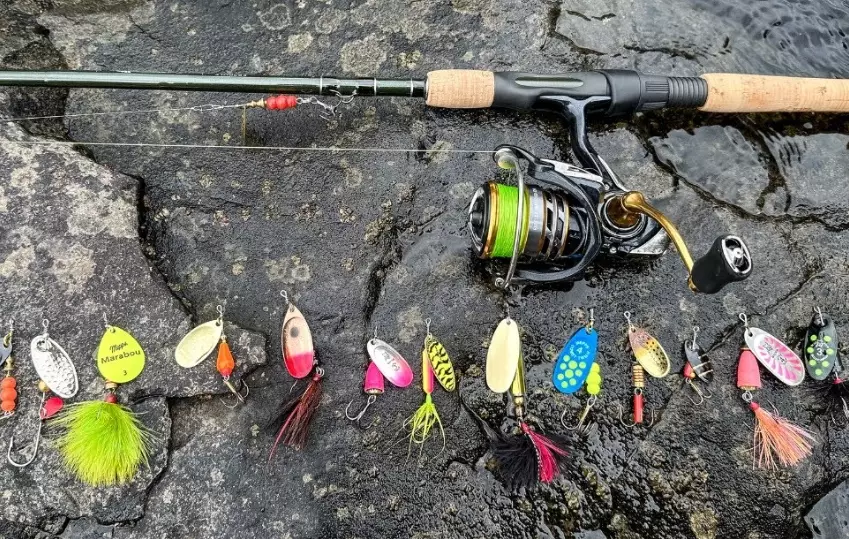
You can spend a fortune on trout gear. I know, I've done it. The shiny new rods, the reels with more bearings than a skateboard, the latest miracle line. But on a river, where current, structure, and spooky fish define the game, most of that fancy stuff is just noise. The best river trout fishing setup isn't about the most expensive components; it's about a balanced, purpose-built system that lets you present a lure naturally, feel every tap, and win the fight in moving water. Let's cut through the marketing and build a rig based on what happens on the water, not in a catalog. Forget lakes. River fishing is a dynamic, three-dimensional puzzle. Your gear needs to solve for current, precision, and sensitivity all at once. A lake rod lets you sit and wait. A river rod is an active tool for managing line drag, mending around rocks, and setting the hook against the constant pull of the water. The biggest mistake I see? Anglers using gear that's too light. A featherweight ultralight rod is fantastic for farm pond bluegills, but a 16-inch wild brown trout in a fast riffle will make it feel like a wet noodle. You need a stick with enough backbone to control the fight, but a sensitive tip to detect the difference between a nibble and your lure ticking a rock. Think of your setup as a single unit, not separate pieces. A stiff rod needs a smooth drag to protect light line. A long rod helps with line control, but can be a hassle in brushy creeks. It's all trade-offs. Your goal is to minimize the weaknesses for your specific river. This is where your money and thought should go first. Get this wrong, and nothing else works right. Length: For most wading or bank fishing, a 6 to 7-foot rod is the sweet spot. It gives you casting control and reach for mending line without being a tree-magnet. If you're on a wide, open river, a 7.5-footer can be magic for line management. For tiny, overgrown brooks, a 5-footer might be your only option. Power & Action: This is the critical choice. Avoid true "ultralight" (UL) power. Look for a Light (L) or even Medium-Light (ML) power rod. You want a lure rating around 1/16 oz to 1/4 oz or 1/8 oz to 3/8 oz. This gives you the versatility to throw small spinners and also have the muscle to set a hook and steer a fish. For action, a Fast or Moderate-Fast action is ideal. The tip is sensitive for detection and casting light lures, but the mid-section and butt have the power to drive the hook and fight the fish. A slow, parabolic rod will feel great when the fish is on, but you'll miss subtle bites and struggle with hook sets. A 1000 or 2000 size spinning reel is perfect. Don't get hung up on gear ratios for trout. Focus on two things: Spool it with the right line (we'll get to that), and don't overfill it. Leave about 1/8 inch from the spool lip to prevent wind knots and tangles. This is the most overlooked part of the setup. Your line is your only direct link to the fish and the lure. Here's my go-to system: 10 lb braid on the reel, connected to a 6-8 lb fluorocarbon leader with a double uni knot or an FG knot. The braid lets me feel everything. The fluoro leader gets the lure down and disappears. In stained or high water, I might shorten the leader or even go with straight mono for its shock-absorbing qualities. Now for the fun part. Your terminal tackle needs to match the river's conditions and the trout's mood. Inline Spinners (Size 0-3): My desert-island lure. A Mepps Aglia, Panther Martin, or Rooster Tail. Gold for overcast/slightly stained water, silver for bright/sunny. Cast upstream and retrieve just fast enough to feel the blade thump. They search water, trigger reaction strikes, and are almost foolproof. Small Spoons (1/8 - 1/4 oz): Like a Kastmaster or Little Cleo. Incredible for casting distance and a fluttering, wounded-fish action. Deadly in pools and deeper runs. Soft Plastics on Jigheads: The finesse option. A 1/16 oz jighead with a 2" curly tail grub or paddle tail minnow. You can hop it along the bottom, swim it steadily, or dead-drift it like a nymph. This is how you catch pressured fish. If regulations allow, nothing beats the real thing. Nightcrawlers: Use a single, small hook (#8 or #10 baitholder). Pinch on just enough worm to cover the hook. Add a small split shot 12-18 inches above. Drift it naturally through seams and pools. Salmon Eggs or Dough Bait: A tiny treble hook (#14-18) with a single egg or a pea-sized dough ball. Use minimal weight and drift it right along the bottom. This is a patience game, but it works. The key with bait is stealth and natural drift. Too much weight, and it looks unnatural. Let the current do the work. Great gear is useless with a poor approach. Here's how to use your setup. Read the Water: Trout in rivers are energy conservers. They hold where they get food with minimal effort. Focus on: Cast Upstream: This is the golden rule for lures and bait. It allows your offering to drift or swim naturally downstream, like real food. You also approach the fish from behind, staying out of their line of sight. Manage Your Line: Keep a slight bend in your rod tip and watch your line. In current, a bite often shows as a slight twitch, pause, or sideways movement of your line, not a violent "thump." With braid, you'll see this easily. Set the hook with a swift, sideways sweep of the rod, not a giant overhead heave. You're pulling the hook into the fish's mouth, not trying to yank it into the next county. What's the most common mistake when choosing a rod for river trout? Most anglers go too light. A super ultralight rod is fun for panfish, but river trout often hold in faster current. You need enough backbone to set the hook against the water's pull and to steer a fish away from snags. A rod rated for 4-8 lb line gives you that control without sacrificing too much sensitivity for feeling subtle bites. Is fluorocarbon leader really necessary for clear river trout? In most clear, flowing water, yes. Monofilament absorbs water and becomes more visible. Fluorocarbon's near-invisibility can be the difference between a curious follow and a committed strike, especially with spooky wild trout. The one exception might be high, stained water after a rain where visibility is low anyway. What single lure should I start with for an unfamiliar river? A 1/8 oz inline spinner, like a Mepps Aglia or Panther Martin, in silver or gold. It covers water quickly, works at various depths, and the vibration triggers reaction strikes. Cast upstream and across, letting it swing down. If you get follows but no takes, slow your retrieve. It's a search lure that tells you where the fish are holding. How do I stop losing trout right at my feet in fast current? That's usually a drag or rod angle issue. In current, a trout uses the water like a turbo boost. Keep your rod tip high to absorb runs, but more importantly, don't crank your drag down tight. Set it so you can pull line out with firm pressure. Let the drag and rod do the work. Trying to muscle them in at the last second often pops the hook free. There you have it. A river trout setup built for performance, not just looks. It's a system that respects the challenges of moving water and the nature of the fish. Tie it on, think about your presentation, and go put some bend in that rod.What You'll Hook In This Guide
The One Thing Your River Setup Must Do
The Balanced System Mindset
Choosing Your Rod & Reel: The Heart of the System
The Rod: Length, Power, Action
The Reel: It's All About the Drag
Line & Leader: The Invisible Connection
Line Type
Best Use On River
Pros
Cons
My Recommendation
Braid (10-15 lb)
Main line on spinning reel.
Extremely sensitive, no stretch, casts far, small diameter.
Highly visible, requires a leader, can be tricky to manage in wind.
YES. Use it as your main line for ultimate bite feel.
Fluorocarbon (4-8 lb)
Leader material ONLY.
Nearly invisible underwater, abrasion-resistant, sinks.
Stiff, can be brittle, more expensive.
YES. A 4-6 ft leader is essential for clear water.
Monofilament (4-8 lb)
Main line or leader.
Cheap, manageable, some stretch for forgiveness.
Stretches (can hurt hook sets), absorbs water & becomes visible, degrades.
For a simple, all-in-one setup, it's okay. But you're giving up sensitivity.
Hooks, Lures & Bait: What to Tie On
Artificial Lures: The River Workhorses
Live Bait & Natural Presentations
Beyond the Gear: Presentation & Strategy
Quick Answers to Real Questions